



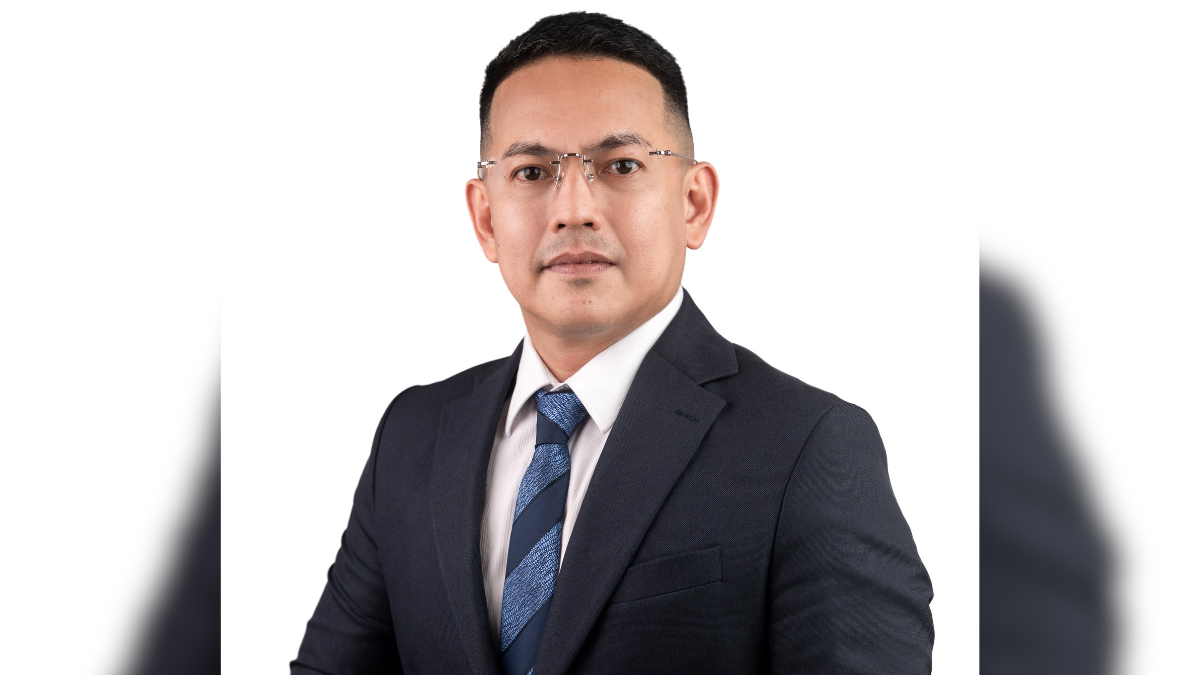

Most people remember the moment they decided to leave—the quiet calculation, made at a kitchen table or during a long commute, that staying was no longer enough. For Albert V. Martin, that moment arrived somewhere between the oil refineries of Bataan and a job offer waiting in Singapore. He was in his late twenties, already a mechanical engineer, already experienced in plant operations, and already clear-eyed about what he wanted from his career. He packed and left.

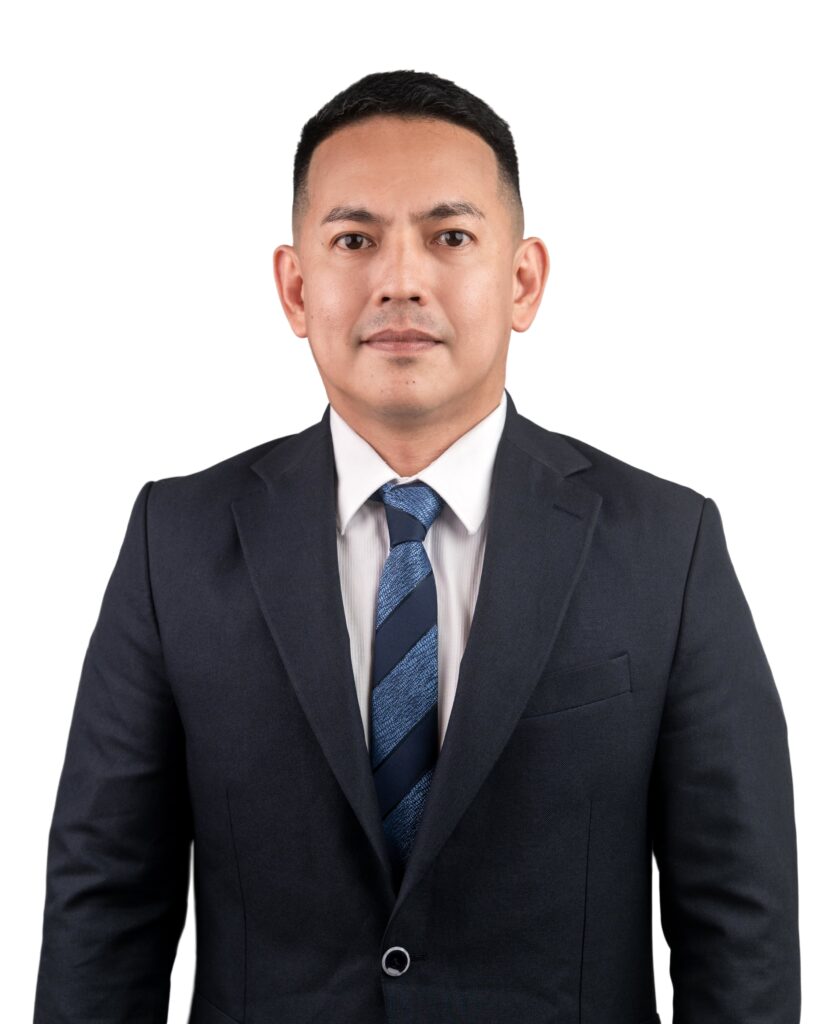
Fourteen years later, Martin is based in Sharjah, United Arab Emirates, working as an Operation Special Project Coordinator and Process DCS/Field Operator at the Sharjah National Oil Corporation—SNOC, a government-owned company. His days unfold inside control rooms and across plant floors, where he monitors and manages complex industrial processes, troubleshoots technical problems in real time, and coordinates with teams on special projects aimed at improving production and maintaining safety standards. It is exacting, high-stakes work. He would not trade it.
Starting over, again and again
Martin’s career in the Philippines began in inspection and quality control at Intertek Oil, Chemical & Agri Philippines. He then moved into process operations at Petron Bataan Refinery and the Philippine Polypropylene Plant, both under the San Miguel Corporation umbrella. Each move built on the last—sharper technical instincts, broader experience, steadier hands. But the ceiling, he felt, was visible from where he stood.
In 2012, he crossed it. His first posting abroad was with Asahi Kasei Plastic Singapore Pte. Ltd., where he worked as a Process DCS/Field Operator. Singapore gave him his introduction to international operational standards—tighter, faster, less forgiving. After that came ExxonMobil Singapore, one of the largest oil and gas companies in the world, and then Qatar Shell GLT, where he worked on large-scale operations governed by some of the most rigorous process safety systems in the industry.
“Working overseas has allowed me to continuously develop my technical expertise in process operations and maintenance while being exposed to best practices in safety, efficiency, and innovation.”
— Engr. Albert V. Martin
Each country was a fresh start. Each company raised the bar. By the time Martin joined SNOC, he had accumulated more than a decade of experience spread across three countries and some of the most respected names in global energy. The progression he is most proud of, though, is not the names on his resume. It is the evolution of what he does—from operator to coordinator, from executing tasks to shaping the way operations run.
The weight of the distance
Ask him about the hardest part and he does not hesitate. Adjusting to a foreign country—professionally and personally, simultaneously—is its own kind of endurance test. In those early years, proving himself within competitive, international teams while adapting to new cultures and managing the ache of being far from home required a particular brand of stubbornness.

He leaned into the work. He studied processes thoroughly. He asked questions. He stayed open to feedback from more experienced colleagues rather than letting pride get in the way. And through all of it, his family remained his constant—his anchor, as he describes them, and his motivation to keep going when the pressure mounted.
“Challenges, whether in the workplace or in daily life, are opportunities to grow stronger and wiser.”
— Engr. Albert V. Martin
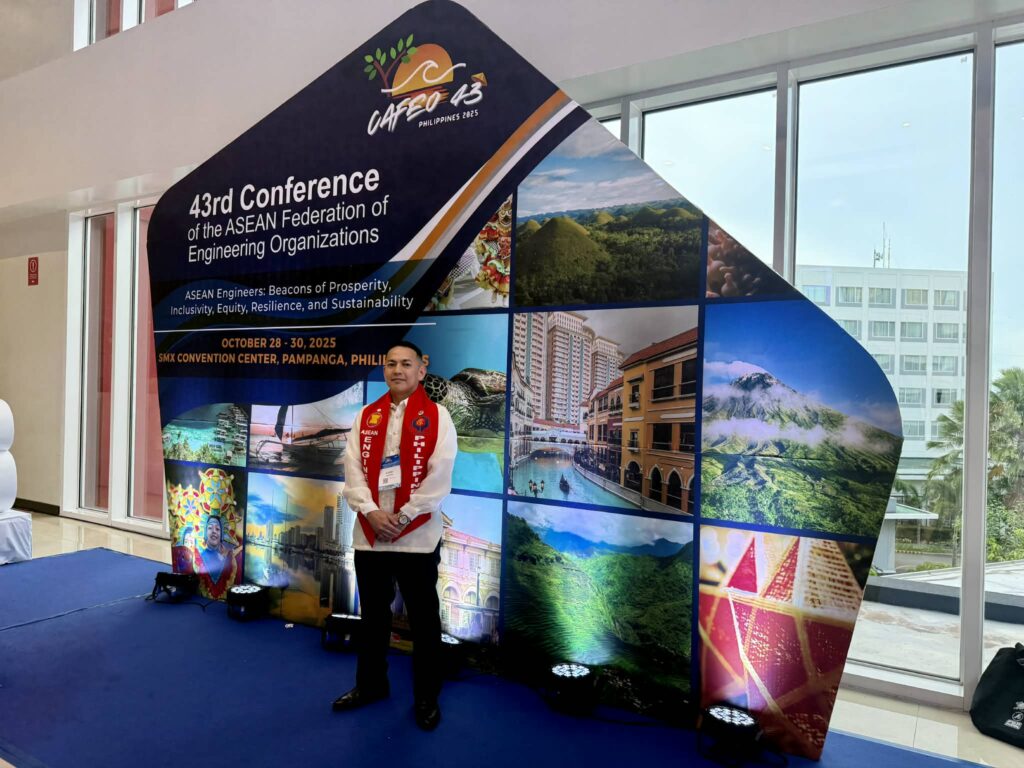
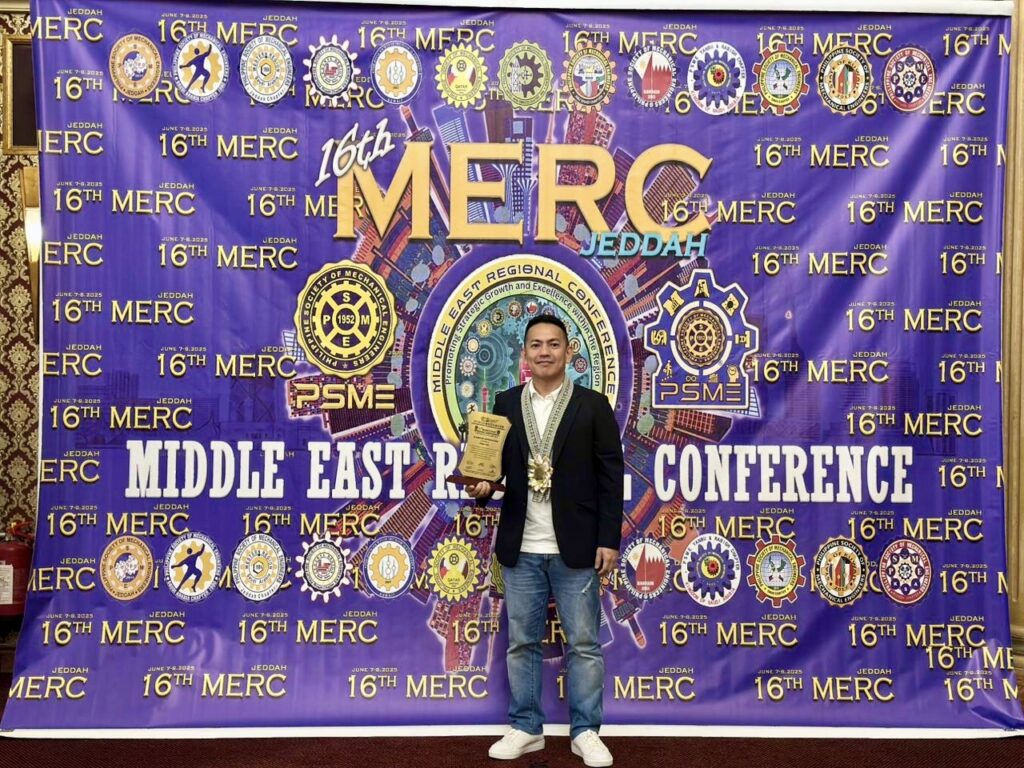
Beyond his job, Martin has remained deliberately connected to the engineering community. He is an active member of the Philippine Society of Mechanical Engineers, the Energy Efficiency Practitioners of the Philippines, and the ASEAN Federation of Engineering Organizations. These affiliations are not decorative. They reflect a belief that professional growth does not stop at the plant gate—that engineering, as a discipline, is also a responsibility.
What comes after
Martin speaks about the future with the same precision he brings to his work. When his time abroad is done, he wants to come home. Not to retire, but to contribute. He envisions a leadership or technical expert role in the Philippine oil and gas sector, where the international standards he has absorbed could help raise the bar for local operations.
He also wants to mentor—young engineers and aspiring overseas workers who are standing where he once stood, doing the math, wondering whether leaving is worth it. He believes it is. But he also believes they deserve guidance that goes beyond the brochure version of working abroad.
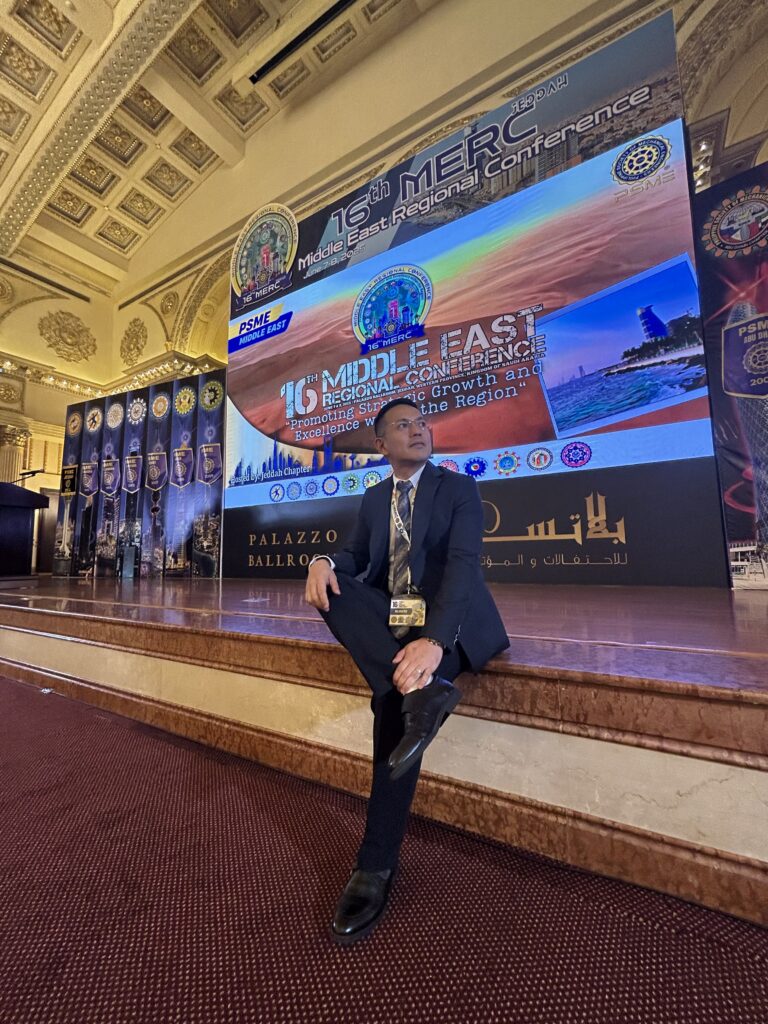
“Patience, discipline, and perseverance are key to overcoming challenges, whether in work, finances, or personal relationships. Always prioritize building your skills and maintaining a strong work ethic—these are your most valuable assets in a foreign land.”
— Engr. Albert V. Martin
He talks about financial discipline with the candor of someone who has seen what happens when it is absent. Save wisely. Plan ahead. Avoid debt that has no purpose. Choose the people around you carefully, because a bad support network in a foreign country is worse than no network at all. Stay in contact with the people back home who love you. And never—he is clear on this—never let the distance convince you that your dreams are no longer worth chasing.
Fourteen years is a long time to be far from home. Martin does not frame it as sacrifice. He frames it as investment—in his craft, in his family’s stability, and in a future where the skills he built across three continents come back to the country that made him. The kitchen table calculation he made all those years ago, it turns out, was the right one.
