



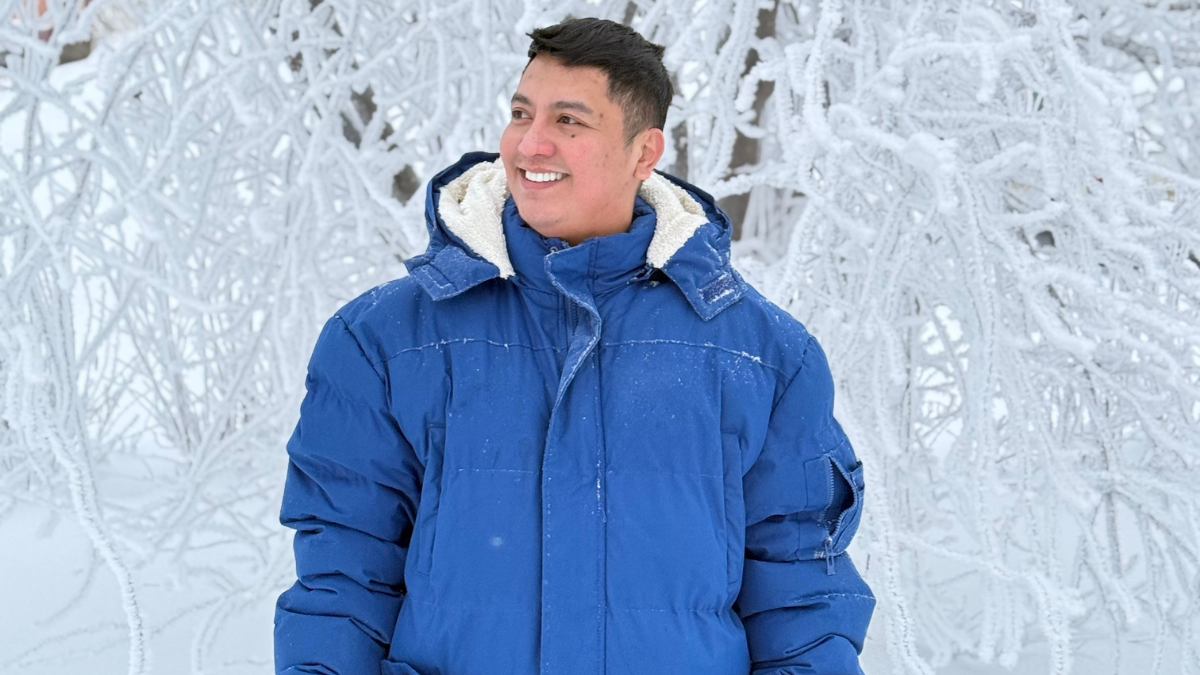

Galena, Alaska sits so far from the rest of the world that you can only reach it by small plane or river barge. In winter, temperatures drop to levels that make most people reconsider their life choices. It is not the kind of place most people picture when they imagine where ambition takes you — and yet, for a boy who once walked through mud just to get to school in Oriental Mindoro, it is exactly where the story ends up.

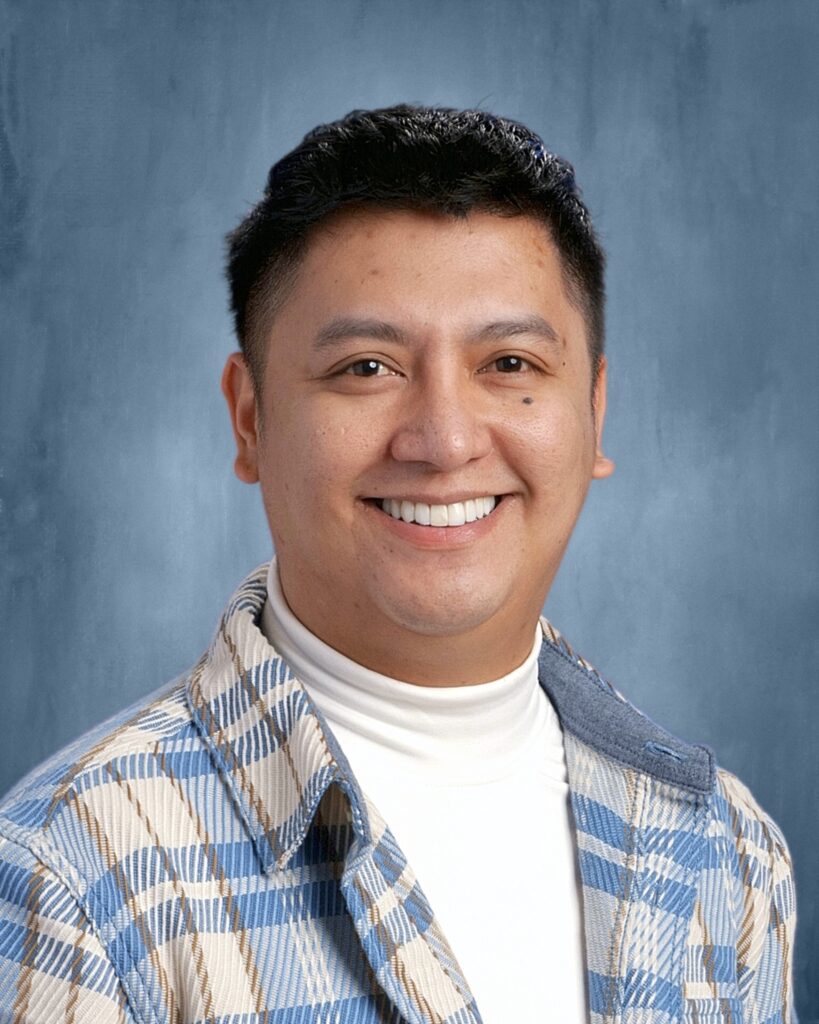
May Jhune Lope Sadicon, 31, is an elementary science teacher at Sidney Huntington School in Galena, a school district so remote it has its own boarding program for students from surrounding villages. He is not just far from home. He is, by almost any measure, somewhere he was never supposed to be.
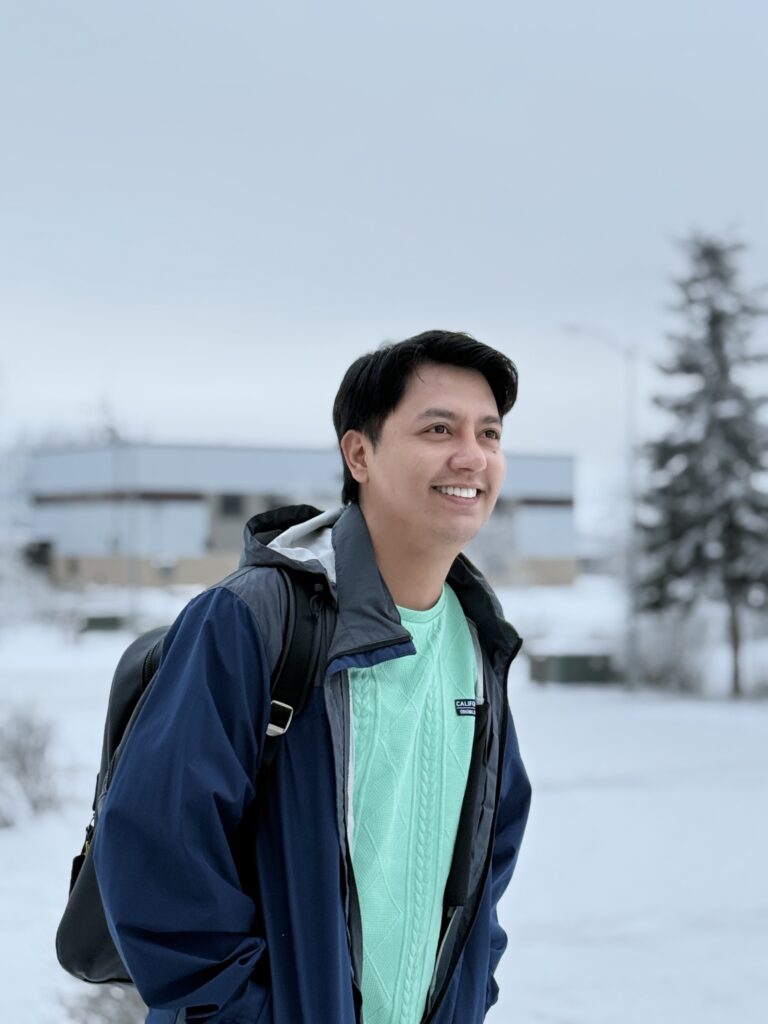
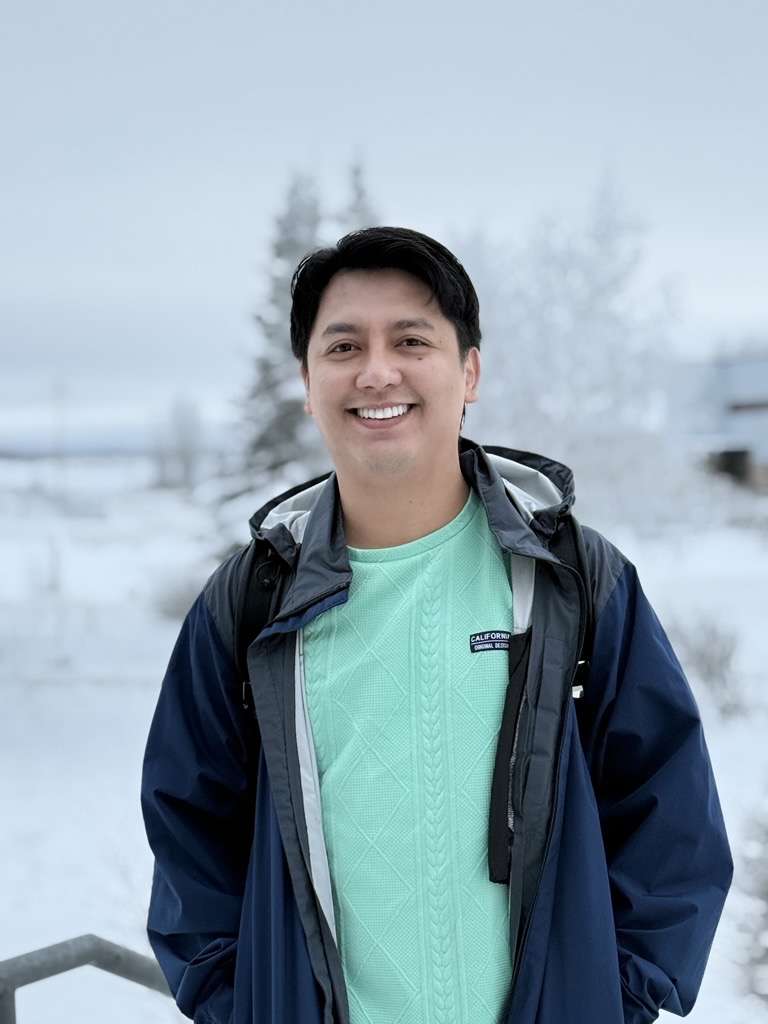
His degree is in Bachelor of Secondary Education, major in Filipino. Not science. Not English. Filipino — a specialization that, in the international teaching market, tends to close more doors than it opens. When May Jhune first began looking at opportunities abroad, that reality hit quickly. “As a graduate of Bachelor of Secondary Education major in Filipino, it was difficult to find opportunities,” he shares with TGFM, “especially since my specialization was not always in demand.”
A classroom that kept moving
He didn’t wait for a perfect opening. In 2019, May Jhune packed his bags and flew to Thailand, where he worked as an elementary teacher and got his first real taste of what it meant to build a life outside the Philippines. From there, the path led to Taif, in the Kingdom of Saudi Arabia, where he taught in an environment that stretched him further — different culture, different students, different demands.
Neither posting was a straight line to where he wanted to go. But each one sharpened something in him: an instinct for adapting, a comfort with starting over, a patience with the slow accumulation of experience. He was building a record that his degree alone couldn’t give him.
Back in Oriental Mindoro, where he grew up, none of this was a given. He came from a simple household, finished college only because of a scholarship, and remembers clearly what it felt like when the path ahead was not obvious. “I remember walking through mud just to go to school,” he says — a detail he doesn’t share for sympathy, but because it explains something about why he is still moving forward.
The science teacher who studied Filipino
When the opportunity in Alaska emerged, May Jhune took it. He is now nearly two years into the role, teaching science to elementary students in a school district that sits at the edge of the Alaskan interior. His wife works in the same district. Their daughter studies there too. The family — separated from home by thousands of miles and an ocean — has quietly built something whole in one of the most unlikely corners of the United States.


“Seeing the Aurora Borealis with my own eyes became a powerful reminder that I made it this far,” he says. It is an image that lands differently once you know what came before it — the muddy roads, the scholarship applications, the rejection that comes with having a degree that doesn’t fit neatly into international job postings.
Teaching science was not the plan. But May Jhune has never been someone who lets the original plan become a ceiling. What he brings into that Alaskan classroom is not just a lesson on scientific concepts — it is the practiced instinct of someone who has figured out how to belong in rooms he was never officially invited into.
The most meaningful part of the work, he says, is watching his students begin to believe in themselves. “Knowing that I can encourage them and somehow be a source of strength and hope means everything to me.” He says it without drama, the way people speak about things they have actually lived rather than merely felt.
A message carried home
May Jhune is not finished. After Alaska, he hopes to bring his story back — not as a success narrative to be admired from a distance, but as direct, practical encouragement for Filipino major teachers who assume their degree has quietly disqualified them from the world stage.
“Many of us think our field limits us to opportunities only in the Philippines,” he says. “But I want to show them that we can also succeed on a global stage.” His advocacy is focused and personal: reach the teachers who are standing where he once stood, looking at a door that appears to be closed, and tell them it isn’t.
To fellow Filipinos navigating life abroad — the financial pressure, the loneliness, the moments of doubt — his advice doesn’t traffic in easy reassurance. “Be wise in choosing the people you trust, stay grounded, and never forget why you started.” He adds, with the directness of someone who has been tested: “Success does not happen overnight, but with patience, perseverance, and faith, things will fall into place.”
His mantra — I dream, I dare, I persist — reads less like a motivational poster when you know the full story behind it. It is a working document. A record of decisions made in difficult conditions by someone who decided, somewhere along the way, that his starting point would not be his finish line.
