



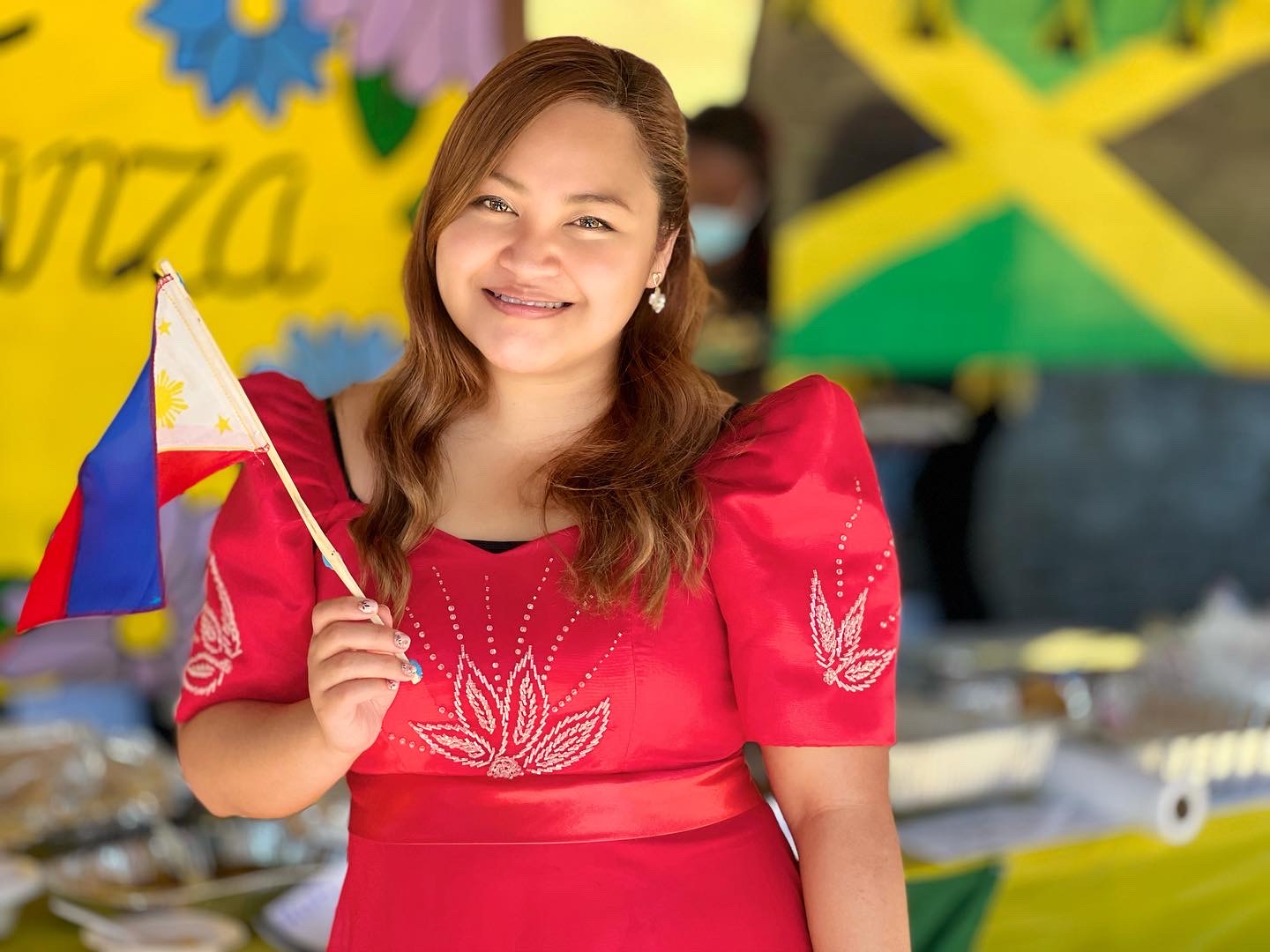

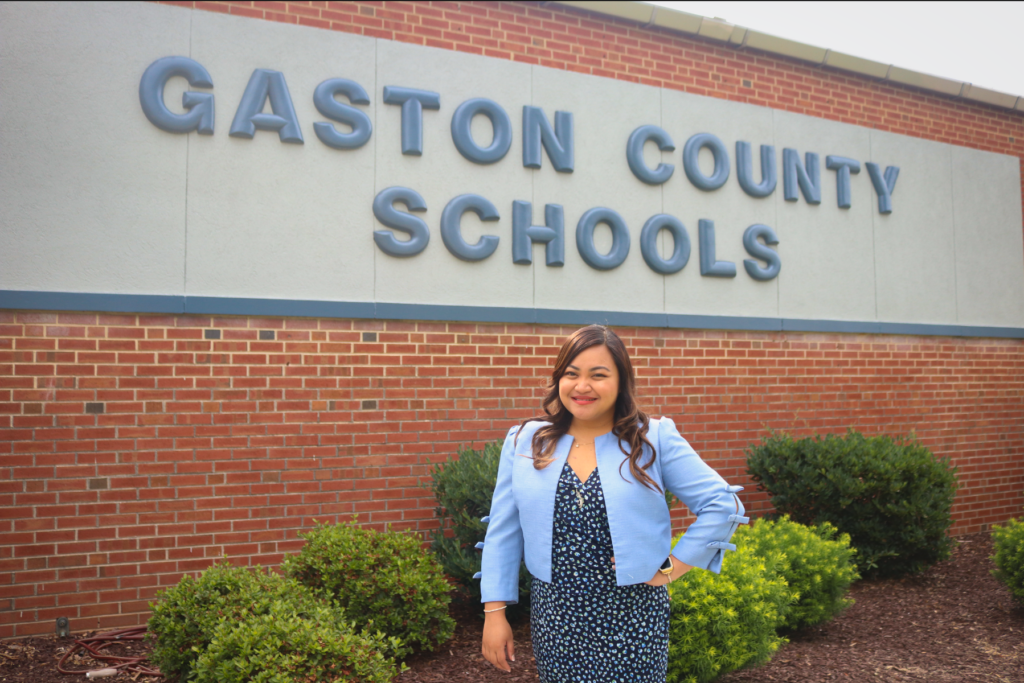
Walk into any American high school classroom and you can usually tell within minutes whether the teacher is winning the room. The teenagers slumped in the back, arms crossed, daring you to make the next 50 minutes matter — that audience does not hand over its respect for free. Dr. Christelle Angelica Corpin learned this the hard way, standing in front of a forensic science class in Gaston County, North Carolina, thousands of miles from the country that trained her to teach.

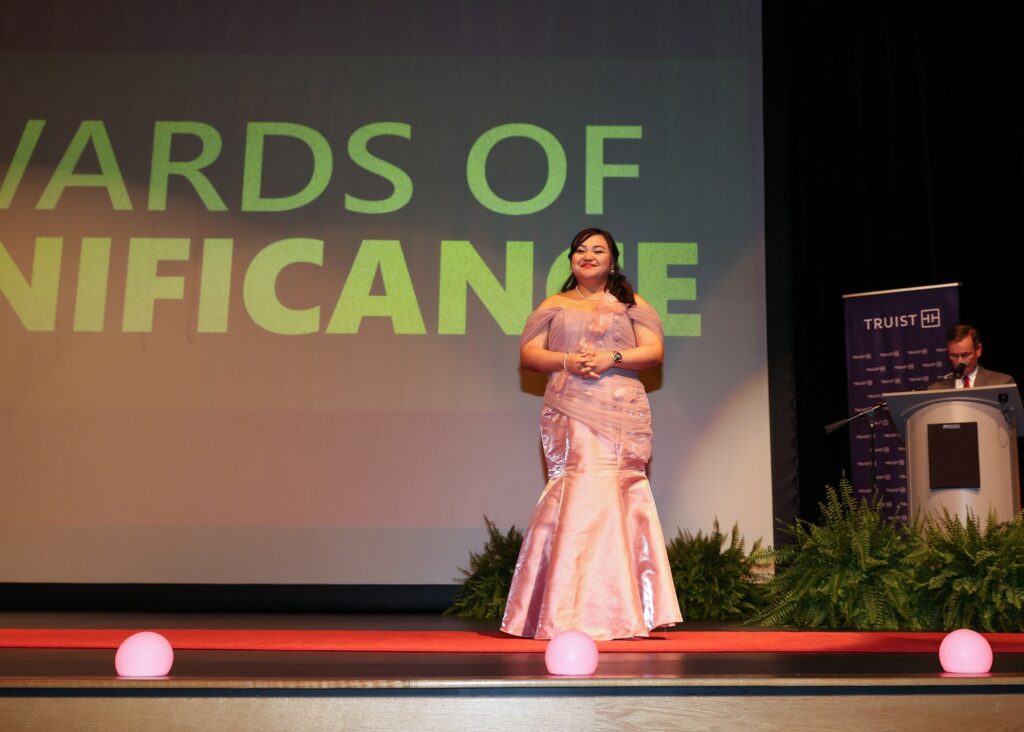
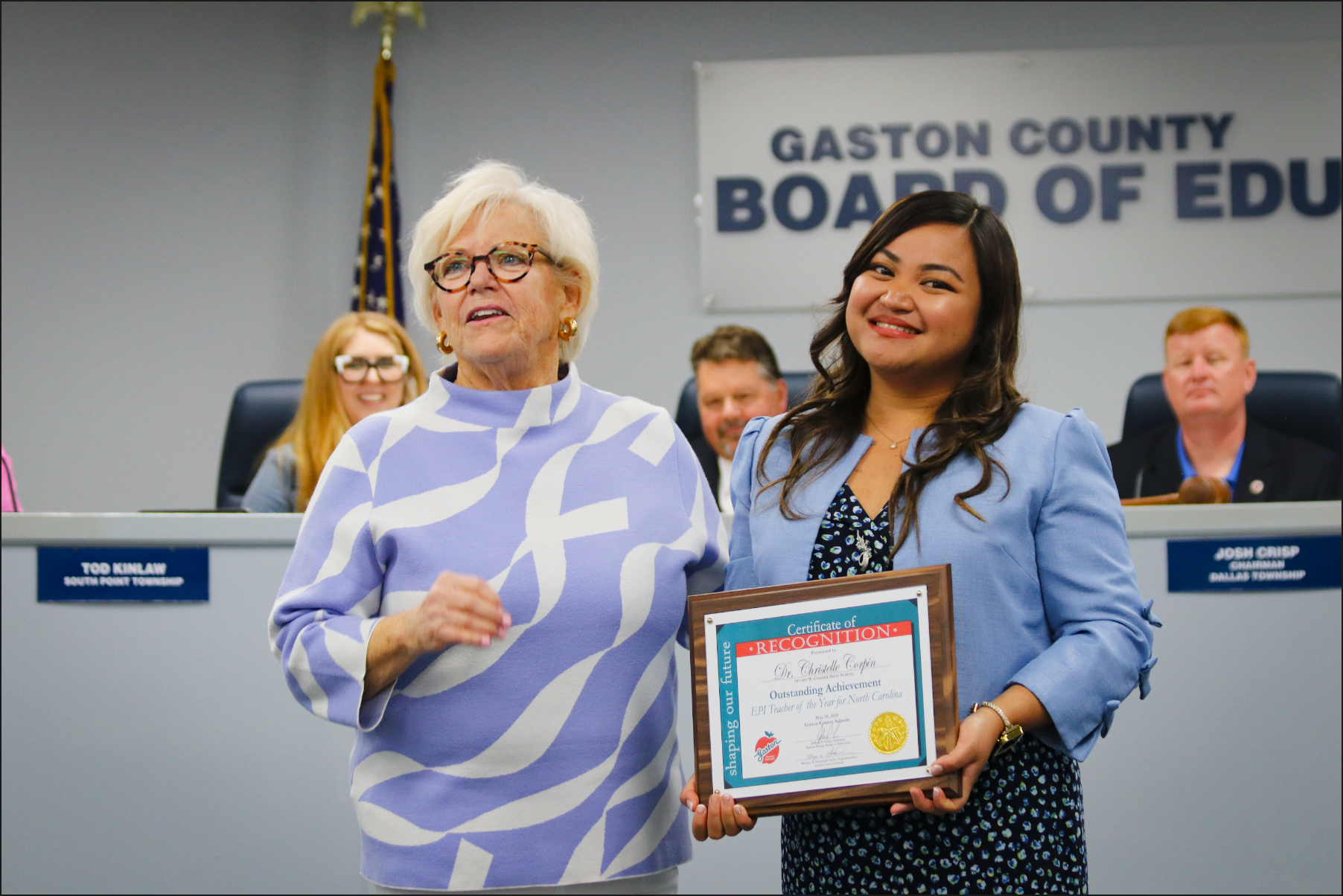
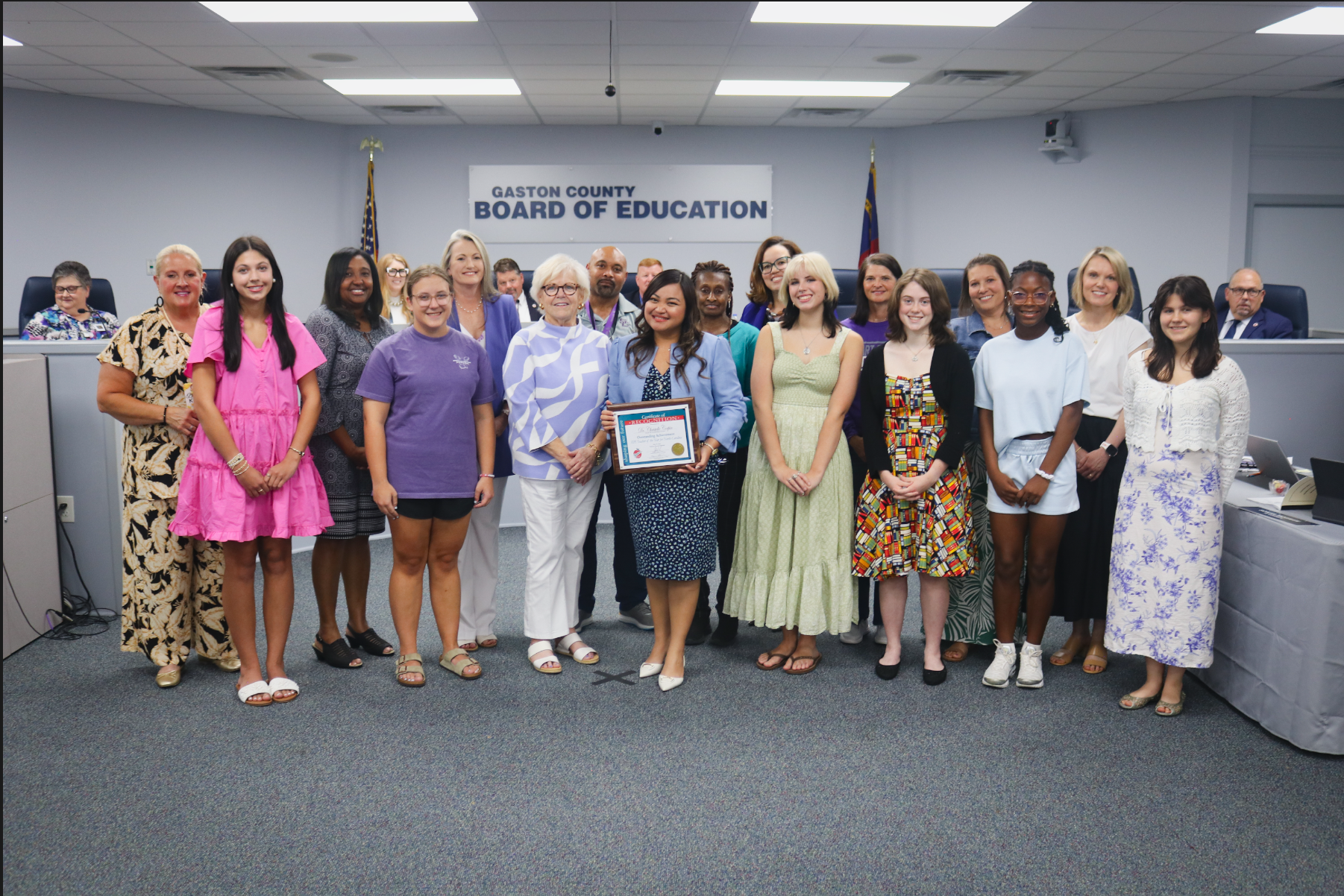
Five years later, the room is hers. So is the state, in a sense. In 2024 she was named EPI Teacher of the Year for North Carolina, the largest of a steady run of honors — “Rookie Teacher of the Year,” “Most Innovative Teacher,” “Star Teacher,” AFTA Global Teacher — that have followed her across half a decade abroad. But ask her what the highlight of her career has been, and the awards are not where she starts.
The thing she could not name
By most measures, Dr. Christelle had already arrived. At 28, she was a middle-level administrator in Manila, serving as Academic Affairs Coordinator at a private school, having steered the institution’s shift to online distance learning at the height of the pandemic. She had managed people, events and academic concerns across the K–12 spectrum, and the division had named her one of the city’s Most Outstanding Private School Senior High School Teachers.
And yet. “Inspite of all these, I felt something was missing,” she shares with TGFM. “I knew in my heart that there was more to be done and a horizon to be explored.” She calls it, plainly, a quarter-life crisis — the kind of restlessness that does not announce itself with a crisis at all, just a quiet certainty that the next chapter is somewhere else. So she applied for a J-1 Exchange Visitor teacher visa. Within three months, she was hired.
“I felt like I needed a change of scenery and a way to soar higher in life, love and career,” she says. What she was chasing was not escape, exactly. It was freedom, independence and financial stability — the three words she returns to when she explains why she left a position most teachers spend a career working toward.
Teaching itself was never in question. It had been the plan since first grade, watching her own teachers care for their students and understanding, even then, what that care could do. She comes from a family of educators; she describes teaching and leading as “my two pillars of life.” The decision to leave the Philippines was never about loving the work less. It was about finding out what she was capable of when no one in the building already knew her name.
A harder classroom than she expected
The transition was not gentle. Dr. Christelle arrived in North Carolina with no family and no friends, and the American classroom turned out to be a different animal entirely. “Being a Filipino teacher in an American classroom was so hard to adjust because students have a different mindset,” she says. “They can be very unmotivated, rude and disrespectful.”

She names the rest of it without flinching: homesickness, racial bias, discrimination, and the private weight of her own mental and emotional struggles. The professional adjustment was only part of it. Within her first years abroad she was abandoned by a fiancé and forced to sell everything she owned and move. She lost family members. Then, in her fifth year of teaching, came the loss that reorders everything else — her father, the youngest daughter’s father, gone suddenly to a heart attack while she grieved from across an ocean. There was even a minor hit-and-run accident folded into the same stretch of years, almost an afterthought in the way she lists it.
What she did not do was fold. “I believe I have withstood all these through my faith and a strong support system,” she says. Within a year of arriving alone, she had built a network and found good people. With her students, she found the work was the answer: “As you show them that you care and you mean business in teaching, they will soon give the respect you deserve.” The unmotivated back row, it turns out, can be won — just not quickly, and not without proof.
Her teaching reflects that conviction. She runs an inquiry-based, discovery-driven classroom built around critical thinking, collaboration and creativity, teaching forensic science and chemistry that draw directly on her Applied Biology and Chemistry degree from the University of Santo Tomas. The most satisfying part is not the lesson plans. It is the students who come back. “Their love notes, words of appreciation and gifts are symbols of love and how I have etched a mark in their lives,” she says — affirmation, she adds, that she has done “something good, right, noble and true in spite of how non-lucrative teaching can be.”
What resilience actually builds
The titles kept coming. Dr. Christelle is now an instructional leader, a district trainer of international teachers, part of the county’s leadership support team for beginning teachers, and the club sponsor for the Chick-fil-A Leader Academy. She still teaches online chemistry and theology for a private Catholic school back in the Philippines, and serves as a liaison and leader within the Filipino-American community in her county. In 2023, she finished her doctorate — full-time work and community service running in parallel the entire way.
But when she defines the real highlight, it is not a line on a résumé. It is “becoming a more resilient person and a trusted global ambassador in the realm of teaching and learning.” The recognitions matter; the person she had to become to earn them matters more.
She is clear-eyed about what working abroad demands. “It truly tests your character and builds your resilience as you deal with people, navigate through life’s highs and lows and find your purpose and faith in God and in yourself.”
Her plan now points home. As her tenure in the U.S. winds down, Dr. Christelle intends to return to the Philippines and carry what she has learned back into the system that raised her — as an educational resource speaker, a school administrator, someone bringing the best of what she has seen abroad into the Philippine classroom. “I want to share the light and spread great engaging practices to improve the teaching and learning process in the Philippine context,” she says.
For the kababayan still in the hard middle of their own overseas chapter, her advice carries the weight of someone who has buried grief and kept showing up. “Life may be tough but you are tougher,” she says. “We are not promised tomorrow, so enjoy the most of today and cherish the people you love the most.” She does not separate the teacher from the person who learned this the difficult way. They are, by now, the same person — and the lesson is the one she most wants to pass on. “Be a light to others.”
