



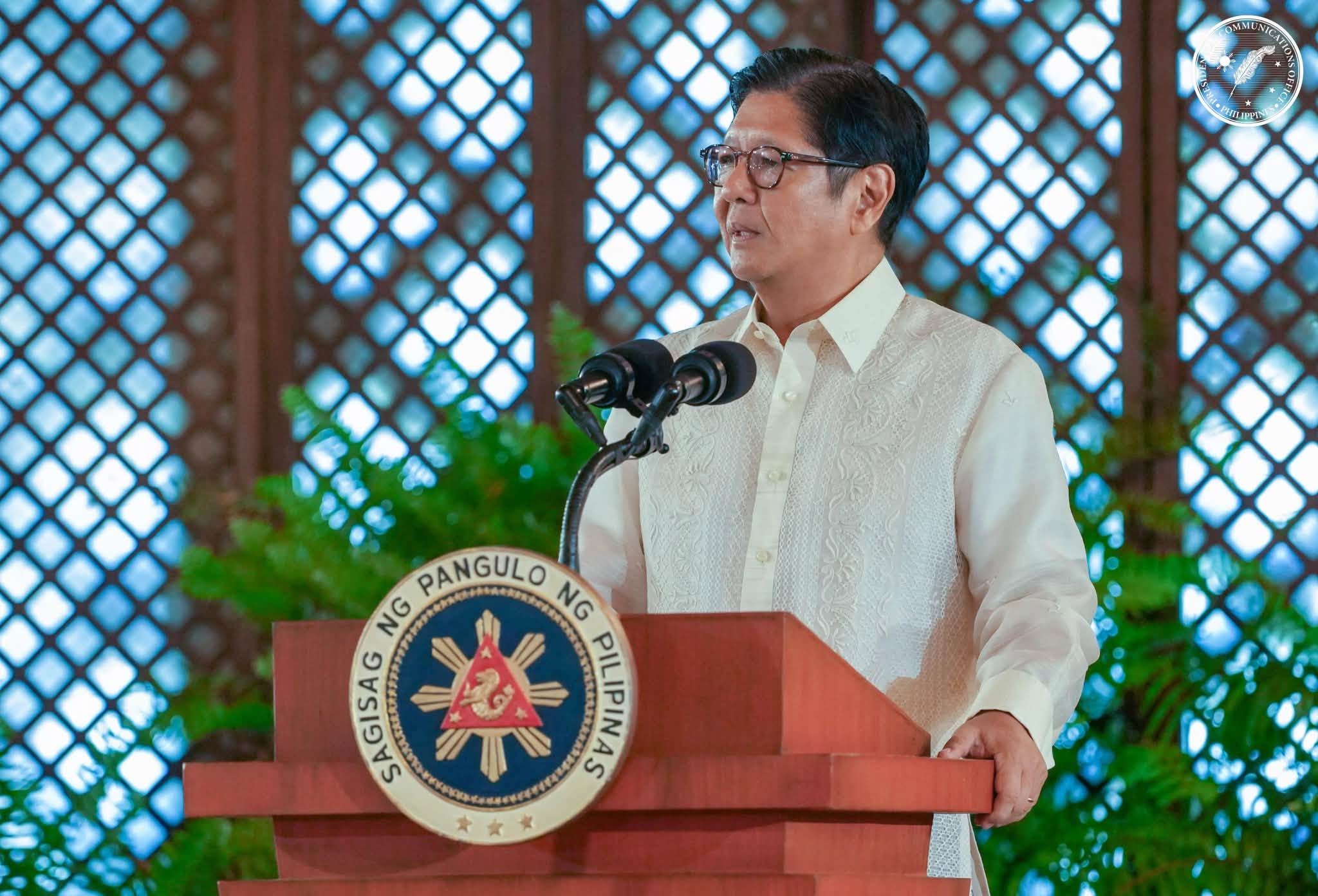

President Marcos intends to keep his subsidized P20-per-kilo rice program running until he leaves office, and the money to do so is already secured, with much of the extra funding he released still sitting unused, Agriculture Secretary Francisco Tiu Laurel Jr. said on Sunday, Sept. 6.

Branded “Benteng Bigas Meron Na!,” the subsidy is aimed at cushioning vulnerable buyers against steep food prices and is projected to serve as many as 60 million Filipinos through June 2028.
“It’s really helping a lot of people,” Tiu Laurel said, citing the relief it has brought to households squeezed by the cost of living.
That funding cushion, he explained, lets the administration keep the program alive while holding it to the consumers who need it most rather than opening it to everyone. The targeted setup also enlarges the role of the National Food Authority (NFA) in the rice trade, since faster movement of stocks lets the agency buy more palay directly from Filipino growers.

Sustaining the subsidy, however, is a deliberate choice over the alternative of dictating a P20 price across the whole market — a move Tiu Laurel said would backfire on farmers whose costs already leave little slack for deeper cuts. Even the most efficient producers spend around P12 to grow a kilo of palay, and milling, transport, trading and other expenses still pile on before the grain reaches store shelves. Force a market-wide P20 retail price, he warned, and farm incomes shrink while the incentive to keep planting erodes, especially if growers are left absorbing the gap.
Keeping the discount narrow, he added, lowers prices for qualified buyers without dumping the full burden on farmers and the rest of the supply chain.
The distinction matters because the open-market P20 figure Marcos campaigned on in 2022 is no longer within reach — a limit Tiu Laurel said the President himself now recognizes.
