



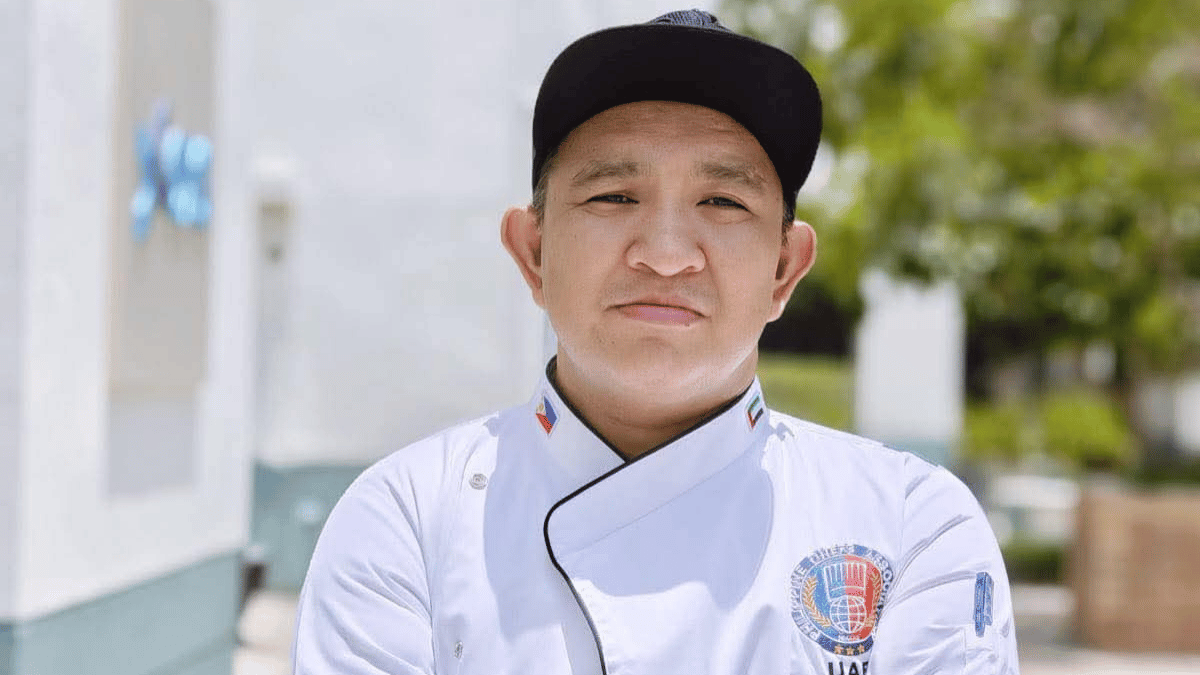

For years the routine didn’t change much — prep the station, work the service, clean down, do it again the next day, someone else’s name on the door the whole time. Then one day the name on the door was his.

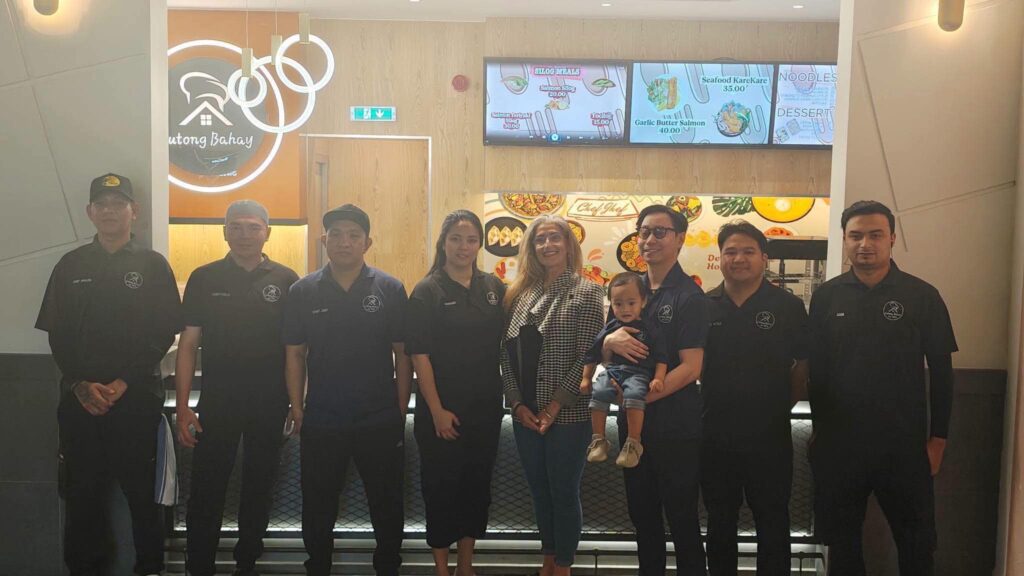
Bernie de Guzan, a 46-year-old Filipino chef, spent twelve years in Dubai kitchens working his way up from cook to head chef before opening Chef Jhef Cafeteria — the place he now owns and runs.
Learning the kitchen from the ground up
He didn’t arrive in the Gulf with a title. He arrived with a job as a cook and a plan to make more of it. What followed was the slow, unglamorous work of getting good — one shift, one dish, one lesson at a time.
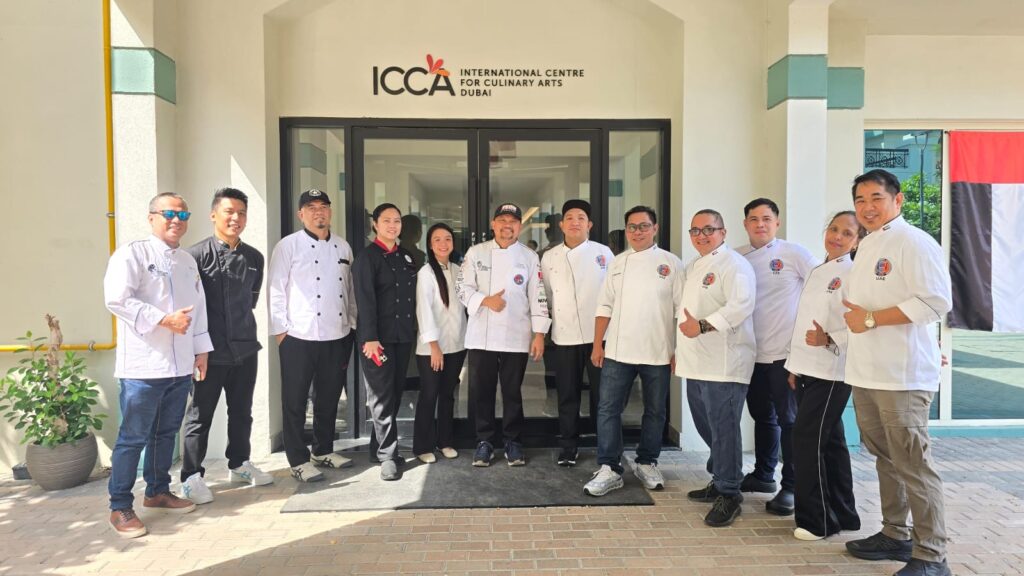
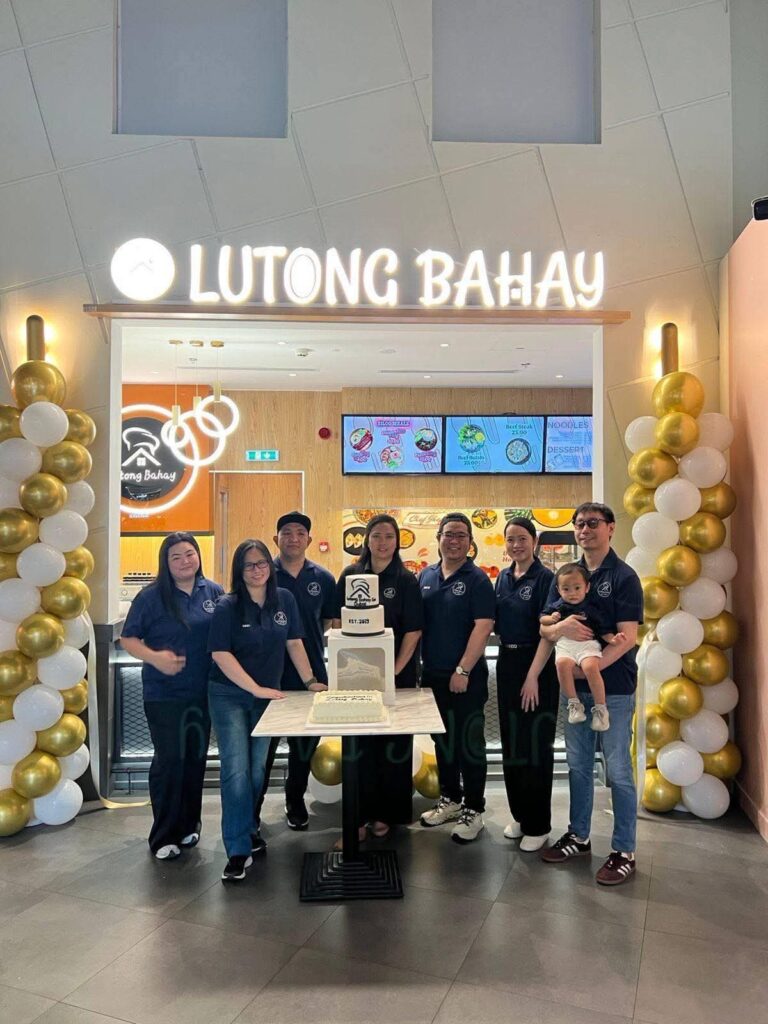
“Through hard work, dedication, and continuous learning, I was able to grow professionally and take on greater responsibilities in the kitchen,” he shares with TGFM. Those responsibilities piled up until he was running the whole operation: planning and organizing kitchen tasks, holding the line on food quality and presentation, keeping food safety and cleanliness tight, and managing the rhythm of daily service.
Ask him why he left the Philippines in the first place and the answer is the same one shared by millions of overseas Filipino workers. He wanted better opportunities, a stronger financial footing, and international experience — and he wanted to send something home. Dubai, he says, “allowed me to develop my skills, become more independent, and support my family while building a better future for myself.”
The part of the job that makes it worth it
For all the pressure of a professional kitchen, Bernie talks about the work like someone who genuinely likes it. Cooking, he says, was never just a paycheck.
“I appreciate my current job because it allows me to do something I genuinely enjoy — which is preparing food and making people happy through the meals I create,” he says. “I chose this field because cooking has always been an interest and passion of mine, and I enjoy learning new techniques and improving my skills.”
The head chef will tell you the craft is challenging. He’ll also tell you that’s the point. He likes the creativity of building different dishes, the back-and-forth with his team, the small daily test of sending out food that lands. And when he names the most satisfying part of the whole thing, it isn’t a title or a raise.

“The most satisfying part of my work is seeing people enjoy the meals I prepare,” he says, “and knowing that my skills and hard work have contributed to their positive experience.”
What twelve years away actually costs
The version of this story that fits on a business card leaves out the hard years. Bernie doesn’t. Being far from family, adjusting to a new culture and a new workplace, the stretches of stress and homesickness — those were real, and he’s clear-eyed about them.
He got through the way a lot of people do: patience, a fixed eye on the goal, careful money, and a refusal to sour. “My family and close friends were my biggest support system, especially during difficult times,” he recalls. “Their encouragement reminded me why I chose to work abroad and motivated me to keep going.” The people he looked up to weren’t the flashy ones — they were the ones who worked hard through their own struggles and stayed humble anyway.
That experience sharpened the advice he now offers other Filipinos abroad, and it’s blunt where it needs to be. Manage your money, avoid needless debt, and be careful who you trust — “especially when money is involved.” Pick your friends deliberately. And if love, work, or finances start pulling you under, step back before you decide anything.
“Never lose your self-respect and remember why you started,” he says. “Pray, stay humble, and keep working toward your goals.”
Feet on the ground, eyes up
His mantra — mata sa langit, paa sa lupa; mangarap ng mataas, tuparin ng tama — is roughly the whole man in one line: eyes on the sky, feet on the ground; dream high, achieve it the right way. Owning Chef Jhef Cafeteria is the dream-high part finally meeting the feet-on-the-ground part.
He’s not treating it as a finish line. He wants to keep growing in the food business, and he wants his years abroad to mean something beyond his own success — specifically, to help other Filipinos just starting out with their own careers or businesses. “I want my years of working overseas to become a foundation for a better and more meaningful future,” he says.
He’s the first to say none of it came fast. “Success does not happen overnight. It takes hard work, patience, sacrifice, and the courage to continue even when things become difficult.” Twelve years in, with his own name over the door, he has the receipts to prove it — and a kitchen, at last, that answers to him.
