



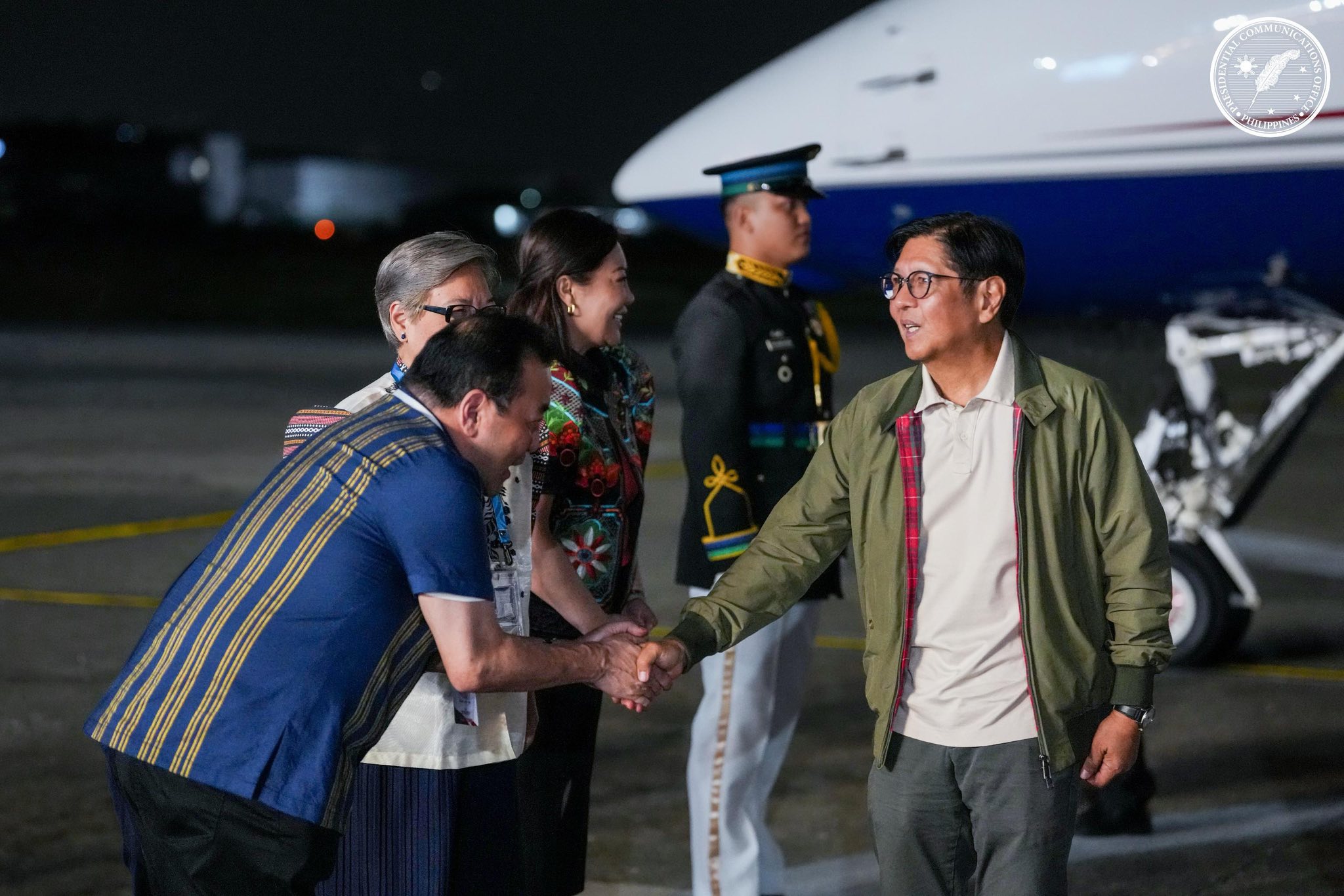

The Philippines is steering the Association of Southeast Asian Nations toward a unified response to mounting regional pressures, with President Ferdinand Marcos Jr. identifying energy security, food protection, and the welfare of ASEAN nationals abroad as the three pillars of Manila’s chairmanship agenda.

In a video message released Wednesday, Marcos said he would personally lead summit discussions on stabilizing energy supply chains and accelerating diversification efforts — steps he described as necessary to insulate the region from disruptions tied to the ongoing Middle East conflict.
“At this summit, I will lead discussions on how the region can bolster regional preparedness and ensure stable energy supply and accelerate energy diversification to reduce vulnerability to external shocks, including those stemming from the conflict in the Middle East,” Marcos said.
Food security ranks alongside energy on the Philippines’ priority list. Marcos pledged to press for unimpeded movement of essential goods and to build support mechanisms for farmers and micro, small and medium enterprises across the region.
Marcos framed Manila’s approach around ASEAN’s founding values, underscoring that effectiveness depends on member states acting together rather than independently.

“We will continue to stress that as one region, our efforts will truly be effective on the basis of a unified approach and collective vision,” he said. “Through these actions, we will embrace an ASEAN where its peoples enjoy a secure, peaceful and stable future.”
The Philippines last held the ASEAN chairmanship nine years ago. Marcos acknowledged the bloc has weathered significant challenges since then but said the work ahead remains substantial, as the region continues to contend with what he called “an increasingly complex global environment where prompt and sustained cooperation is crucial.”
Timor-Leste’s elevation to full ASEAN membership was also formally welcomed by Marcos in the same statement, who framed the development as evidence that multilateralism retains its purpose and momentum.
As chair, the Philippines is advancing a charter amendment to complete Timor-Leste’s integration into the bloc.
On Myanmar, the regional grouping has yet to find common ground. Foreign Affairs Assistant Secretary Dominic Xavier Imperial told reporters Wednesday that ASEAN has not reached consensus on whether to recognize the outcome of last month’s elections in the country, which produced a presidency for military junta leader Min Aung Hlaing — the general who overthrew Myanmar’s elected government. Imperial offered no timeline for when such a determination might be made.
