



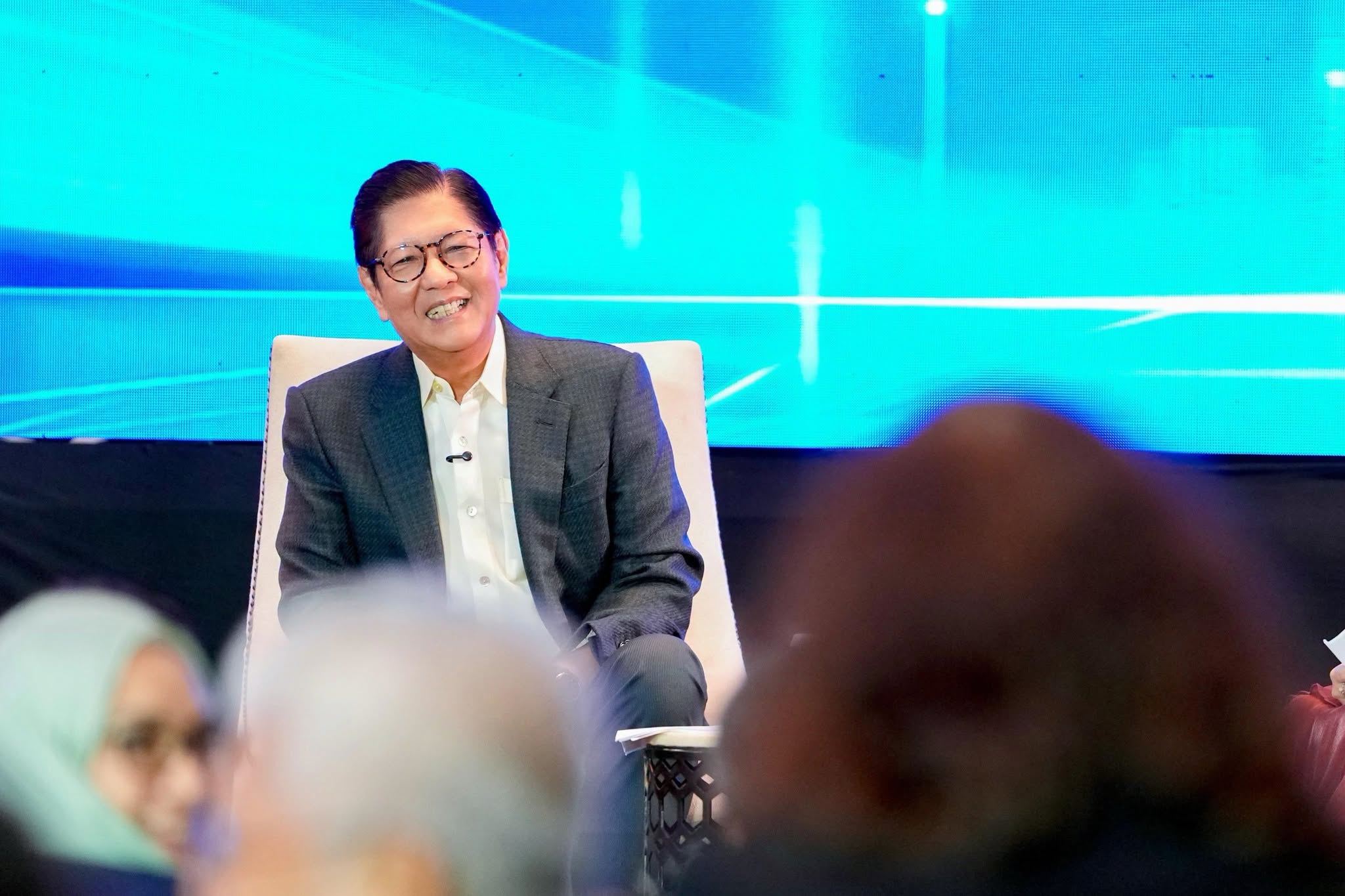

Vigilance and faith in the Filipino people are what will carry the country through its present difficulties, President Ferdinand Marcos Jr. said Friday, drawing on the memory of the late senator Benigno “Ninoy” Aquino Jr. to make his case.

The message, released through the Office of the President’s Facebook page to mark the 43rd Ninoy Aquino Day, singled out four forces the President described as pressing on the nation’s democratic life. “Disinformation, division, distrust, and civic indifference underscore the importance of active engagement in our nation’s affairs,” Marcos said, arguing that the moment calls for Filipinos to stay involved in public matters rather than withdraw from them.
Marcos tied that appeal directly to the slain senator’s example. “Ninoy’s legacy encourages us to meet these challenges with vigilance and faith in the Filipino people as we work together to deliver meaningful progress for all,” he said. He added that the assassinated leader’s memory should call to mind the willingness of Filipinos to defend their beliefs and take part in shaping the country’s democratic path: “The memory of Ninoy Aquino reminds us of the courage of Filipinos to stand by their convictions and contribute to our nation’s democratic journey.”
While the specific dangers to democracy have shifted with time, the obligation to guard it has not, according to the President. “The challenges facing our democracy may have changed over time, but our shared responsibility to reinforce it remains,” he said.
Freedom, in Marcos’s framing, is bound up with duty. “This day reaffirms that freedom carries with it a collective duty to respect the dignity and rights of others, and to contribute to the good of our nation,” he said. He committed his government to safeguarding the country’s independence and the rule of law while working to pair the liberties Filipinos hold dear with tangible openings for advancement. “For its part, this administration will remain steadfast in protecting our sovereignty, upholding the rule of law, and ensuring that the liberty we cherish is matched by real opportunities for every Filipino,” Marcos said. He closed his statement by urging citizens to draw on the country’s history in building a calmer, more prosperous nation.

The commemoration marks the 1983 killing of Aquino, a leading opponent of the late strongman Ferdinand Marcos Sr. Gunned down on August 21, 1983, as he stepped back onto Philippine soil after years abroad, the senator had returned despite explicit warnings that doing so could end his life — a choice widely credited with galvanizing the movement that reshaped the nation’s politics.
Aquino’s road to that moment ran through journalism before politics. Born November 27, 1932, in Tarlac, he became the country’s youngest mayor at 22, went on to serve as governor, and later won a Senate seat, emerging by the late 1960s as one of the sharpest voices against the elder Marcos. In the chamber he pressed the case for participatory democracy, government accountability, and the protection of civil liberties, repeatedly cautioning against authoritarian rule. The 1972 declaration of martial law landed him in prison, where he spent seven years, much of it in solitary confinement, until a heart attack led authorities to permit his departure to the United States for treatment. Exile did not quiet him; he kept pressing his case before Filipino communities and foreign leaders abroad.
This marks the third official message the President has released for the occasion since taking office, after those in 2023 and 2025, with no statements issued in 2022 or 2024, according to the material provided. His 2023 remarks called on Filipinos to look past political divides in the national interest and cast Aquino as “relentless and resolute” in defending his convictions. Two years later, in 2025, his message leaned toward reflection, civic obligation, unity, and reconciliation, noting that time had let the country regard Aquino’s death with sharper focus.
The personal dimension of the Marcos-Aquino relationship has surfaced repeatedly in recent years, even as the political rift endures. “We’ve always been okay. We just don’t agree politically,” Marcos said on July 10, 2024, addressing ties between the families after Kris Aquino’s sons, Josh and Bimby, called on First Lady Liza Araneta-Marcos at Malacañan. That visit, he said, followed Kris’s request for the First Lady’s help with travel plans, and he characterized it as “a very fine gesture” that added warmth and a human touch to the families’ dealings. He also traced a family link, explaining that the First Lady is an aunt to Kris’s children because her own aunt married Don Jose “Pepe” Cojuangco, eldest brother of former president Corazon Aquino.
Those encounters have carried on since. A March 2026 lunch at Bahay Pangulo, hosted by the First Lady for Kris, drew a brief appearance from the President, who joined for a photograph. This month, Kris, Josh, and Bimby again visited Araneta-Marcos, presenting early birthday cakes ahead of her August 21 birthday — a date that coincides with Ninoy Aquino Day — which she called a thoughtful surprise.
