



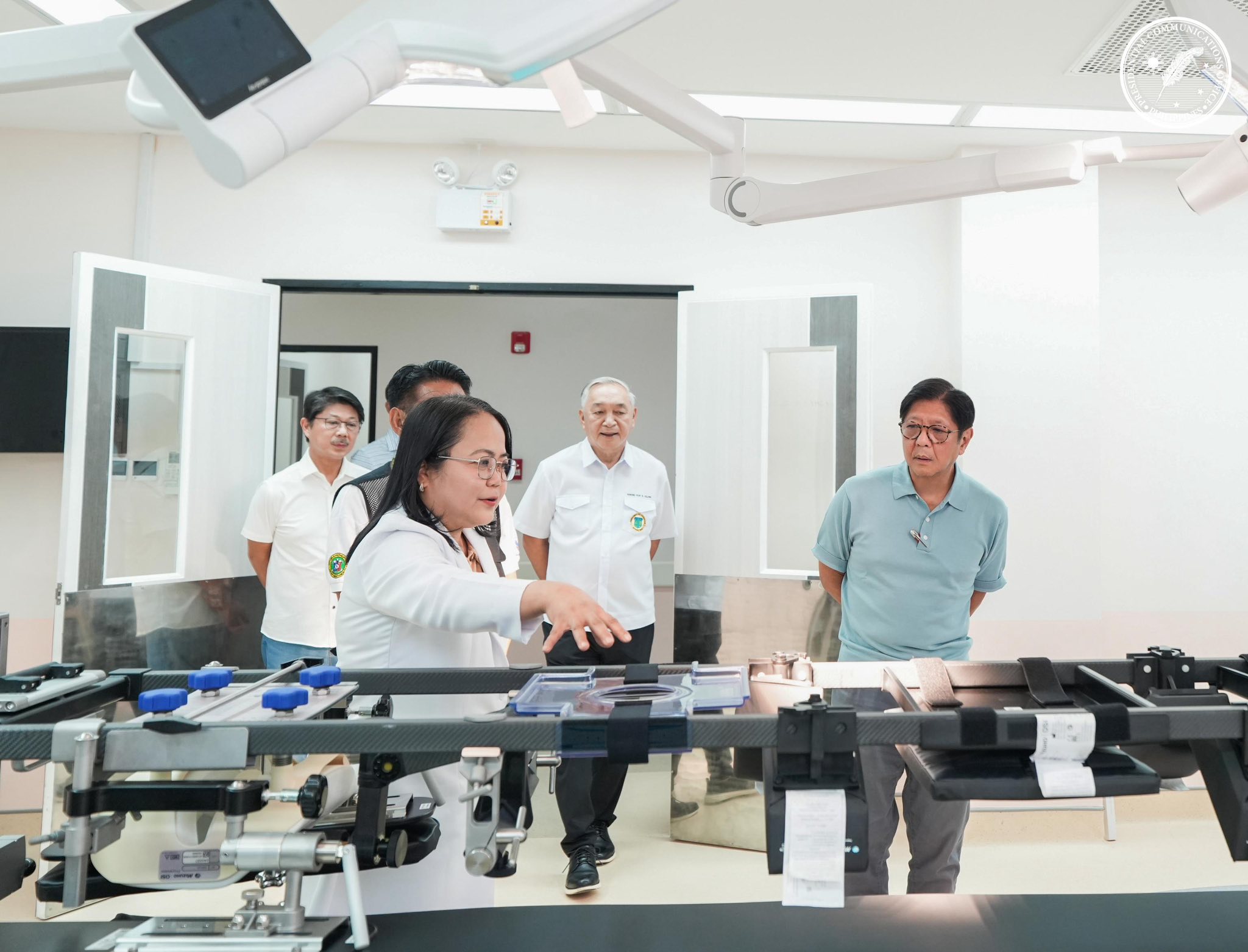

A new brain and spine facility in Cagayan has put a spotlight on President Ferdinand Marcos Jr.’s broader healthcare infrastructure push, with the Chief Executive announcing a target of 349 specialty centers across the country before he steps down in 2028.

Marcos made the pledge during the inauguration of the Brain and Spine Center at the Cagayan Valley Medical Center (CVMC) in Tuguegarao City on Friday — the first such facility in Northern Luzon. The visit served as a backdrop for the President to outline the administration’s ambitions under the Regional Specialty Centers Act, which he signed into law in August 2023 as Republic Act No. 11959.
“As of now, we are targeting 349 specialty centers by the time I leave office in 2028,” Marcos said in his speech. “And like I mentioned, we will continue to expand our health benefits coming from PhilHealth.”
The legislation mandates the Department of Health to build specialty centers within regional hospitals and state-run facilities throughout the country. Marcos framed the effort as a direct response to the inequities in healthcare access exposed during the COVID-19 pandemic, particularly for patients in regions far from Metro Manila.

“You’re actually better off there in Luzon. In ten hours, at least you can reach Manila. If you’re in the Visayas or in Mindanao, how do you expect to get yourself there… especially when you’re already sick?” he said. “That’s exactly what I was saying — some of them never even made it to the hospital, and their lives were lost unnecessarily. If only there had been a hospital, they might still be alive.”
The CVMC currently operates under the Zero Balance Billing policy, which exempts patients in basic or ward accommodations from settling hospital bills out of pocket. The facility is staffed by seven specialist doctors alongside 28 nurses and allied health professionals, drawing patients from Cagayan and across Region II.
RA 11959 represents the legal framework underpinning the administration’s decentralization of specialized medical services — an effort Marcos has tied directly to preventing the kind of deaths he described as avoidable had proper facilities been accessible sooner.
