



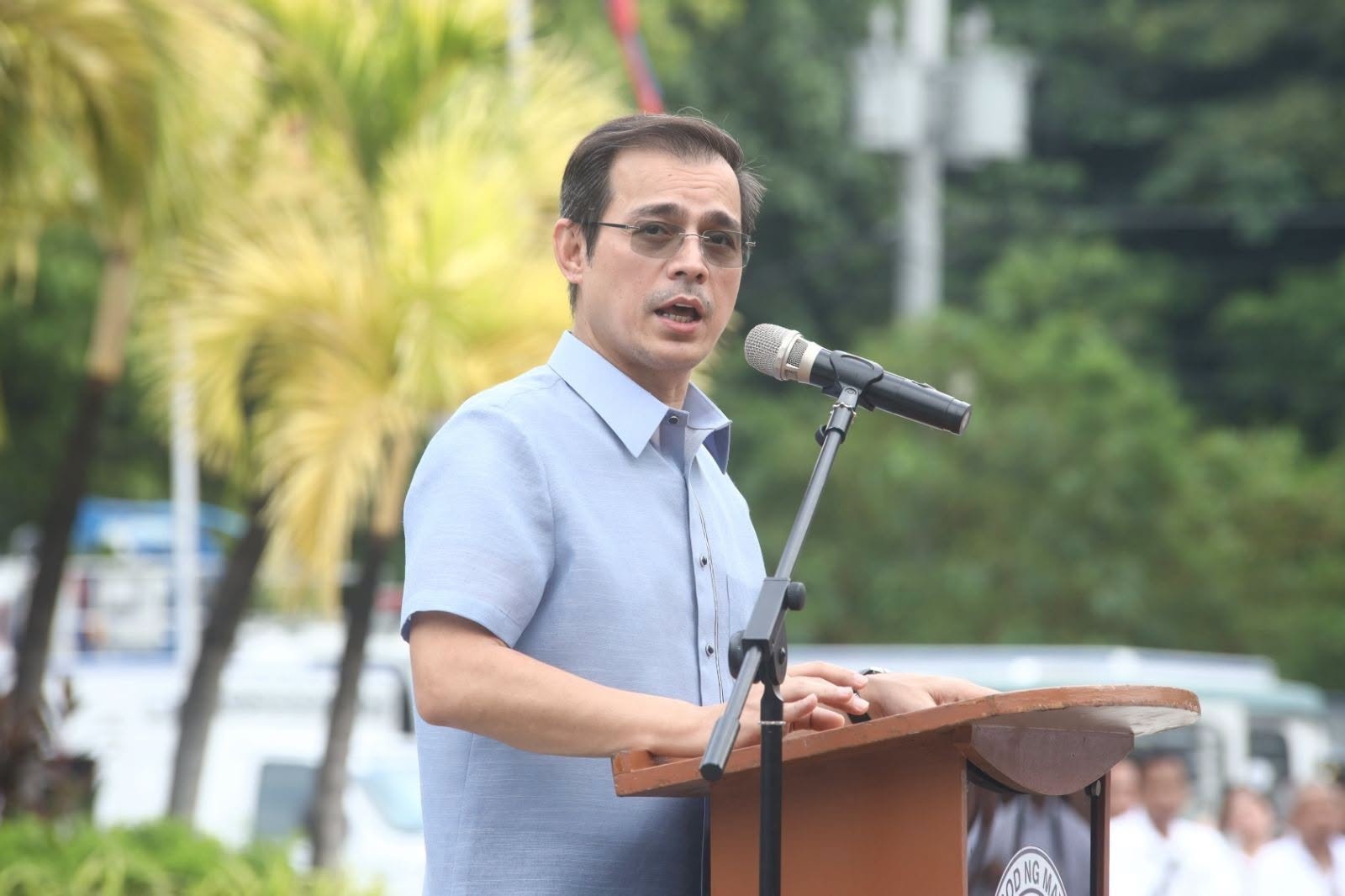

Investor confidence and the return of public trust have steered Manila out of fiscal distress, Mayor Francisco “Isko Moreno” Domagoso said Wednesday, anchoring his State of the City Address on figures he presented as proof of the capital’s financial recovery.

The address fell on the city’s 455th founding anniversary, a year into the mayor’s current term. Domagoso framed the milestone around what he called a turnaround built on tighter money management.
“Cities do not rise on resources alone; they rise on trust,” he said. “When Manila regained trust, it regained its future.”
Among the figures he cited, business registrations jumped 332 percent and renewals rose 105 percent over the past year. Approved private construction projects also expanded, climbing to AED-equivalent values the mayor reported in pesos—from P2.7 billion under the prior administration to P9.3 billion.
On collections, the city pushed its revenue efficiency rate to 90.3 percent from 62.9 percent. Total revenues grew 24 percent year-on-year, moving from P15.5 billion to P19.2 billion, a gain Domagoso said held up despite higher global oil prices and geopolitical strain.
The mayor traced the recovery back to what City Hall took on when he assumed office: P14.6 billion in unpaid obligations, including arrears to garbage haulers and utility providers, on top of a budget he described as already under pressure.

“Through disciplined fiscal management, we turned debt into stability, and stability into better service for every Manileño,” he said.
Of that inherited debt, P7.8 billion has been settled, leaving P6.8 billion outstanding. The administration also cleared P307 million in overdue payments to Meralco, Maynilad, and Manila Water.
“Goodbye, Judith!” Domagoso quipped, a jab at the unpaid utility dues carried over from his predecessor.
A separate collection effort targeting flood control contractors operating in the city brought in more than P309 million in contractor’s tax. Domagoso credited part of the year’s progress to closer work with the City Council, which he tied to his “Bilis Kilos 2.0” governance framework, and said school and nutrition programs had continued to expand alongside the budget repairs.
“Manila is no longer fighting for survival; Manila is now fighting for a better future,” he said. “Manila is moving forward to make the capital city great again.”
