



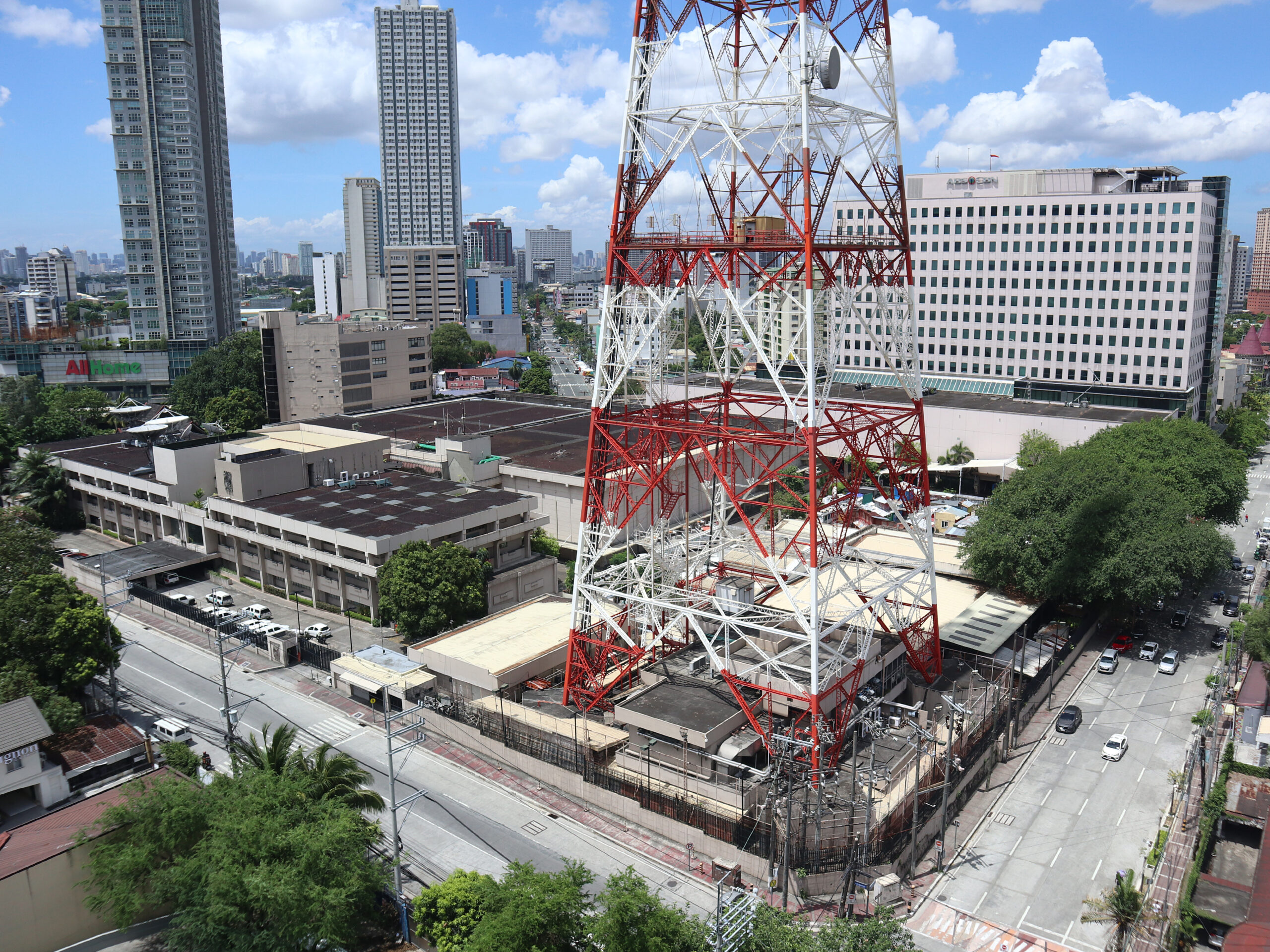

The way ABS-CBN Corp. has kept its programs on air without a franchise is now under formal review by lawmakers, who want to determine whether the network has quietly resumed broadcasting in violation of the 2020 congressional decision that stripped it of its license.

According to Bilyonaryo, the House Committee on Legislative Franchises has launched an inquiry into the licensing and blocktime agreements that ABS-CBN maintains with franchised television networks. PhilRECA Party-list Rep. Presley De Jesus, who disclosed the probe in a press release, said the central question is whether the company has been able to keep functioning as a broadcaster by routing its content through partner stations that still hold valid franchises.
De Jesus framed the matter as a test of regulatory clarity rather than a verdict on the network. “The issue before the Committee is whether our franchise laws are clear enough to guide broadcasters, content producers, regulators, and the public,” he said.
At the heart of the committee’s concern is whether deals between ABS-CBN and franchise holders amount to something more than standard purchases of airtime. The lawmaker warned that such arrangements might let the company sidestep the franchise requirement entirely. “There is a concern that the arrangements with ABS-CBN could transcend an ordinary blocktiming agreement where ABS-CBN is no longer just buying airtime but operating as a broadcaster through the backdoor, without a valid franchise from Congress,” De Jesus said.
He singled out the continued broadcast of marquee titles like TV Patrol and It’s Showtime on allied networks as the kind of activity that blurs the boundary between producing programs and operating as a broadcaster. The committee, he added, must weigh whether existing laws and franchise conditions adequately cover these setups, particularly rules that bar holders from assigning, leasing, transferring, or otherwise using their franchise rights without Congress signing off first.

De Jesus stressed that the practice of selling blocks of airtime is itself nothing unusual. “Blocktime is not new. What we need to understand is where ordinary programming arrangements end and where franchise-related obligations begin,” he said. He described the review as essential “to ensure they do not effectively undermine the power of Congress to grant and regulate franchises.”
The senior ABS-CBN officials who had been invited did not appear at the proceedings, the press release noted. De Jesus voiced unease over the no-show. “But I hope that the decision of the top ABS-CBN executives to skip the hearing is not to show disdain for the congressional body. Otherwise, this may be an affront to the legislating powers of the House of Representatives,” he said.
For ABS-CBN and its controlling shareholder, billionaire Gabby Lopez, the renewed attention echoes the battle that pushed the network off the air. After Congress refused to renew its franchise in 2020, the company leaned heavily into content production, digital distribution, and tie-ups with licensed broadcasters to stay in business. Those very strategies are now what lawmakers intend to measure against the requirements of Philippine broadcasting law.
This round of questioning represents the sharpest congressional examination of how ABS-CBN has operated since the shutdown, with the committee already signaling that additional sessions will follow to probe the franchise compliance of the partner networks and to weigh whatever policy steps Congress might take.
