



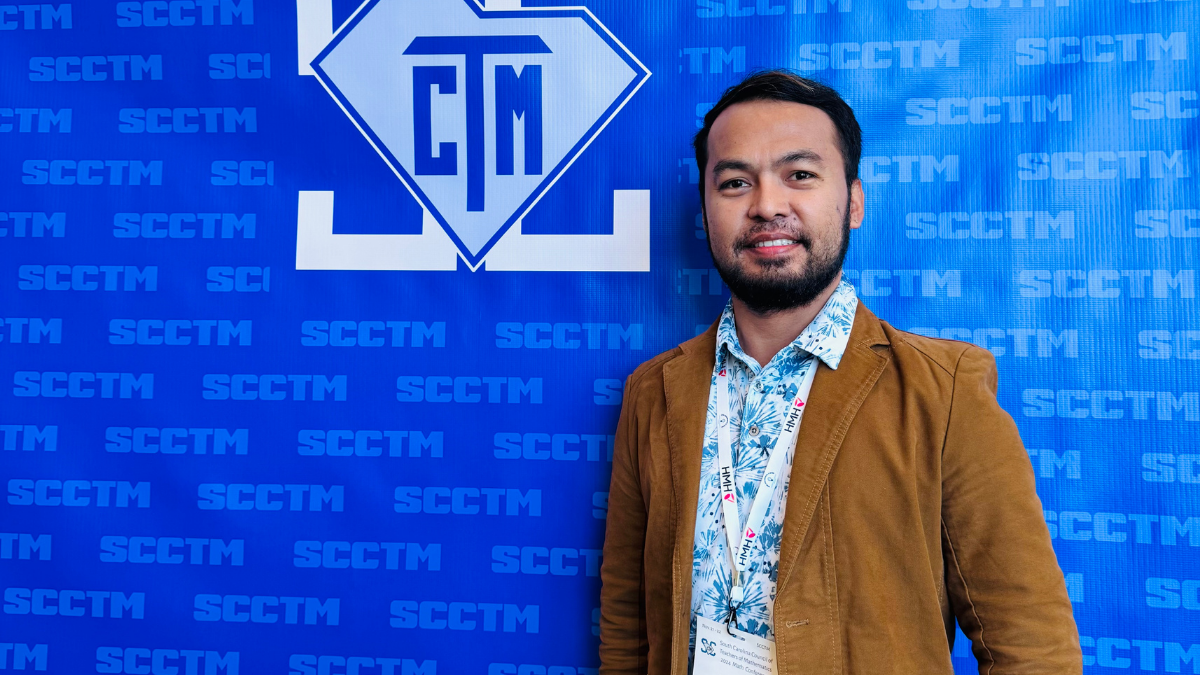

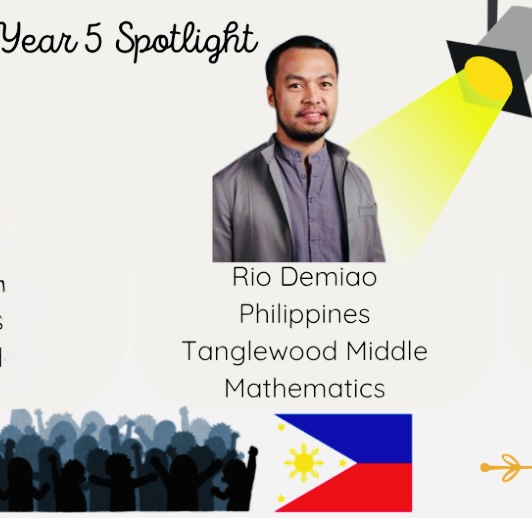
Most people assume a teacher’s subject is fixed — that whoever stood in front of a literature class will always be the literature person, and the math teacher was always the math teacher. The career of one Filipino educator in South Carolina quietly dismantles that idea. Rei Demiao spent years lecturing on language and literature in Manila’s universities and arrived in the United States to teach high school English. Today he leads a middle school math team and coaches students through Geometry Honors — a shift that says less about changing lanes than about how far a teacher’s range can actually stretch.

The classroom he did not plan for
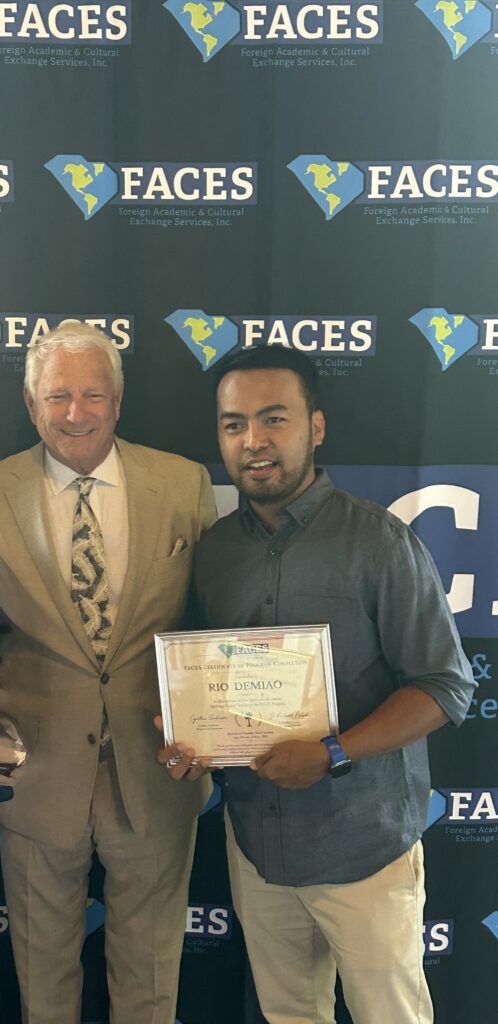
When he accepted a position through an international teacher exchange program in 2021, the assignment was English. He began at Dillon High School, teaching a subject he knew intimately from his years as a language and literature lecturer at the Polytechnic University of the Philippines and National University. It was familiar ground in an unfamiliar country.
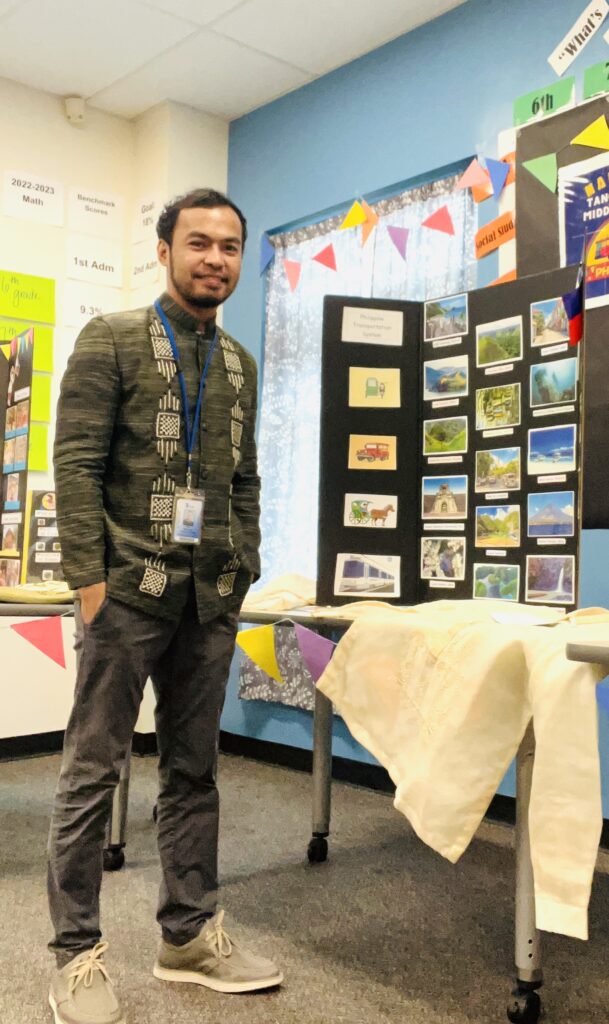
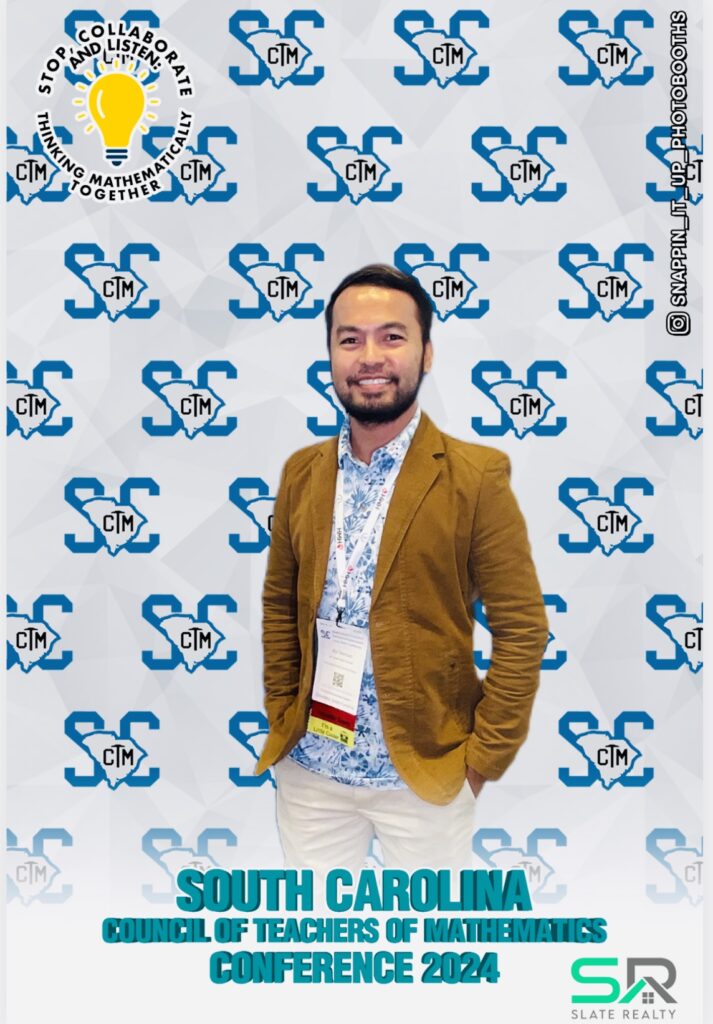
The move to mathematics came later, at Tanglewood Middle School, where he took on 8th-grade math and Geometry Honors. What might read as a detour was, for him, a return. His full background had always spanned both disciplines — he describes himself as “an experienced language and mathematics educator with 18 years of teaching experience, including both the Philippines and the United States.” The American system simply asked him to lead with the half of his training that his early US role had set aside.
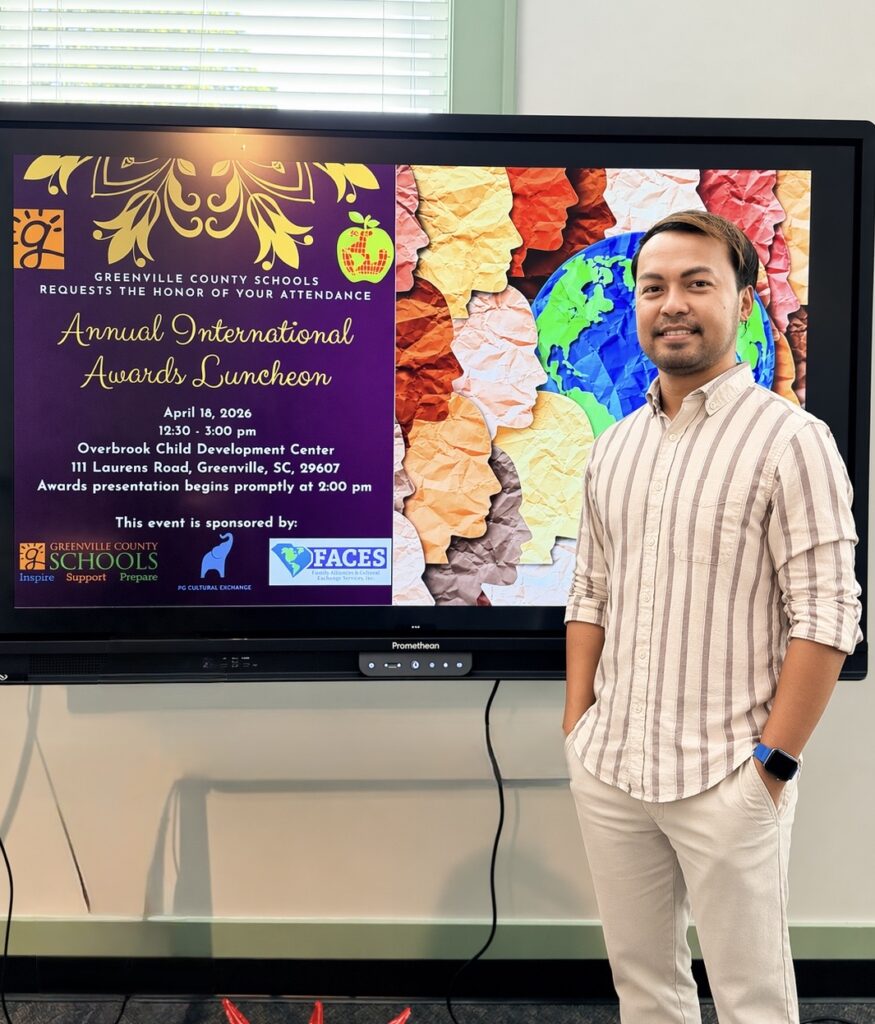
He now teaches for Greenville County Schools, and the responsibilities read like a full portrait of what modern classroom instruction demands. He designs standards-based lessons, analyzes student data to guide interventions, differentiates instruction for a range of learners, folds technology into daily teaching, and keeps lines open with colleagues and parents. Stated plainly, the job is less about delivering content than about engineering the conditions in which a struggling student decides math is worth another try.
Why he left, and what it cost
The reasons Filipino educators leave home are rarely singular, and his were no exception. Professional growth sat at the center — the chance to work inside a different educational system, absorb new methods and standards, and become, in his words, “a more effective and globally competitive educator.” But there was a plainer motive underneath it. “Another important reason was my desire to provide better opportunities for my family,” he says, “while continuing to pursue my passion for teaching.”
That framing — ambition and family braided together — is one nearly every overseas Filipino worker would recognize. What is easy to miss is the price attached to it. The hardest part of the move, he explains, was “adjusting to a new culture, educational system, and environment while being away from my family and familiar support system in the Philippines.” New classroom dynamics, unfamiliar expectations, and stretches of uncertainty all arrived at once, and they arrived without the people he would normally lean on.
He credits perseverance and a deliberately positive mindset for getting through it, along with a support network he had to build from scratch — family kept close from a distance, plus friends, colleagues, and school leaders who guided him. He also names the quieter influence of mentors: “I also looked up to dedicated educators and mentors who demonstrated professionalism, compassion, and leadership, inspiring me to continue growing as a teacher and leader.” Resilience, in his telling, is not a trait people are born with. It is assembled, piece by piece, out of the relationships one manages to form in a new place.
The leader he was before he arrived
There is a tendency to read overseas success stories as if they begin at the airport — as if the professional’s history starts the moment they land. His does not. Before South Carolina, he built a substantial career inside the Department of Education’s Division of Quezon City, rising through roles that had little to do with standing at a whiteboard.
He served as Master Teacher II, Head of the Senior High School Department, and Assistant to the Principal, work that pulled him into curriculum development, teacher mentoring, and school management. As a department head, he mentored beginning teachers, ran professional development, led curriculum planning, and monitored instructional quality. As assistant to the principal, he helped coordinate academic and administrative programs and shape policy. Layered on top of that public-school leadership was his university lecturing, which sharpened his skills in research, academic instruction, and mentoring students at the tertiary level.

That history reframes the leadership role he later earned in the US. Being named 8th-grade Math Team Lead at Tanglewood — collaborating on curriculum, analyzing achievement data, planning instructional strategy — was not a first taste of responsibility. It was a familiar kind of work, carried across an ocean and translated into a new system.
What keeps him in the room
Strip away the titles and the moves between schools, and the reason he does the work stays remarkably constant. “I chose education because I believe teachers play an important role in shaping the future,” he says, “by helping students discover their potential and develop confidence in their abilities.” The satisfaction he describes is specific and small-scale — not test scores or accolades, but the moment a student who had written themselves off changes their mind.
“The most satisfying part of my work is seeing students overcome challenges, improve their skills, and gain confidence in mathematics,” he says. For a teacher who has held nearly every rank the profession offers, on two continents, the payoff still comes down to one student’s shift from I can’t to I did.
The overseas chapter has given him more than a paycheck and a new zip code. He points to the professional stretch of it — adapting to a different system, collaborating with educators from other backgrounds, absorbing new strategies and technologies. It has made him “more adaptable, resilient, and open-minded,” he says, and better at connecting with students whose backgrounds differ from his own. The classroom, for him, has doubled as a place of ongoing learning, with the teacher often the most active student in it.
Advice from someone who has done the hard part
His counsel to fellow Filipinos abroad carries the weight of someone who has lived the difficulty rather than theorized about it. Patience, resilience, and a stubborn focus on goals form the spine of it. “Life overseas can be difficult, especially when facing homesickness, financial pressures, cultural adjustments, or uncertainties in employment,” he acknowledges — before reframing each of those as a chance to grow.
He is practical about the mechanics of survival abroad: work hard, keep improving, manage money wisely, and choose relationships carefully. “Choose people who respect your values, support your dreams, and encourage you to become a better person,” he advises, extending the same standard to both friendships and romance. And he returns, repeatedly, to family as the source that refuels everything else. “Always stay connected with your family and loved ones, as they provide strength and motivation during difficult times.”
Underneath the practical notes runs a steadier conviction. “Success abroad does not happen overnight,” he says. “It requires perseverance, integrity, and a positive mindset.” It is advice shaped less by slogan than by the specific memory of what the early months actually felt like.
The long view
He is clear-eyed about what he wants next. Whether his path continues in the United States or eventually loops back to the Philippines, he intends to keep serving as an educator and to pour what he has gained into others — mentoring teachers, sharing what works in the classroom, and advocating for quality education and equitable opportunity, “especially those who face challenges — to reach their full potential.”
For a career that has moved from Philippine lecture halls to a South Carolina middle school, and from literature to Geometry Honors, the throughline is easy to name. “Education is not only about transferring knowledge,” he says, “but also about inspiring, mentoring, and making a positive difference in the lives of others.” The subject on the board may have changed. The reason for standing in front of it never did.
