



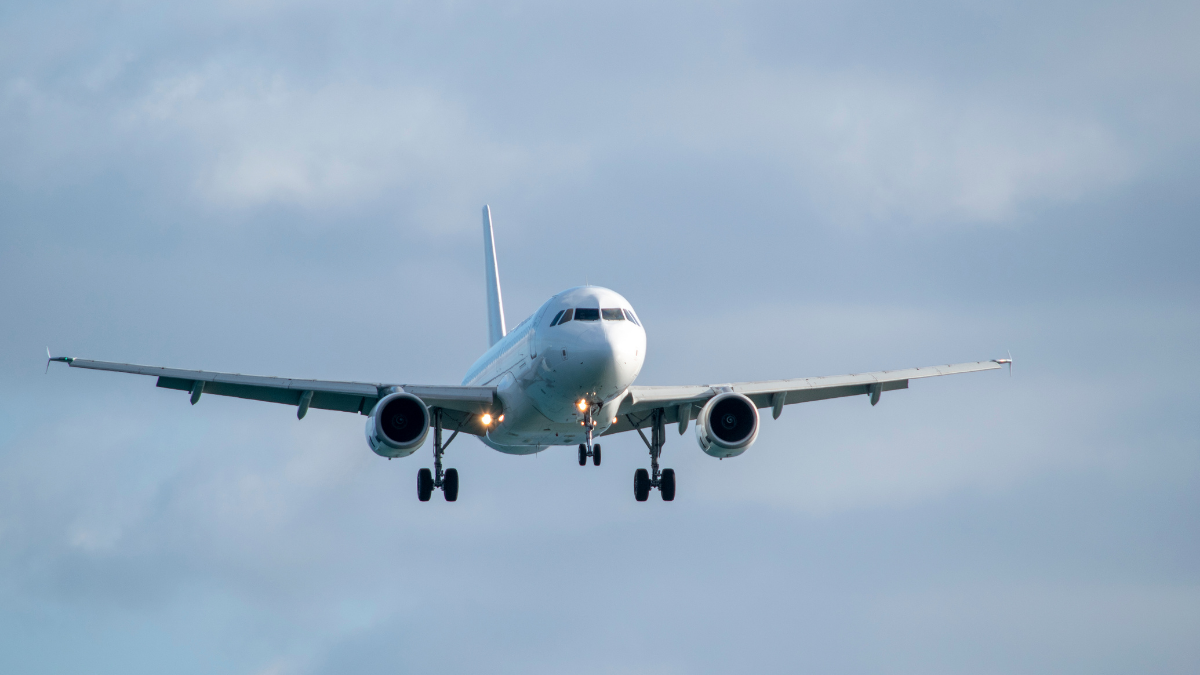

A global jet fuel shortage triggered by the Middle East conflict is threatening to disrupt commercial aviation within weeks, with industry analysts warning of significant flight cancellations across Asia and Europe as early as May.

Fatih Birol, head of the International Energy Agency, described the unfolding situation as “the largest energy crisis we have ever faced,” saying flight disruptions could come “soon” if oil supplies remained blocked. “Everybody is going to suffer. Some countries may be richer than the others. Some countries may have more energy than the others, but no country, no country is immune to this crisis,” he said. “I can tell you soon we will hear the news that some of the flights from city A to city B might be canceled as a result of lack of jet fuel.”
Birol estimated Europe had “maybe six weeks or so of jet fuel left” — a timeline that aligns with warnings from the Airports Council International Europe, which has already alerted the European Commission that shortages could begin as early as the start of May if tankers do not resume passage through the Strait of Hormuz before then.
Energy economist Claudio Galimberti said the crisis was approaching a tipping point. “The situation can, within the next three, four weeks, become systemic,” he said. “So you can have severe cuts of flights in Europe, already starting in May and June.” He noted that some flight cancellations linked to fuel shortages had already taken place.

Asia is expected to feel the strain first, given its heavier dependence on Gulf oil and refinery output, with Europe close behind.
The disruption is already reshaping airline operations. Lufthansa announced the permanent closure of its regional subsidiary, attributing the decision to rising fuel costs compounded by industrial action. “The 27 operational aircraft of Lufthansa CityLine will be permanently removed from the flight program,” the carrier said.
Economist Rico Luman cautioned that the fallout would not be uniform across the industry. “Smaller inland airports will be in a weaker position than the main hubs,” he said. “It won’t be a matter of full halt, but part cancelation at some airlines and airports.”
