



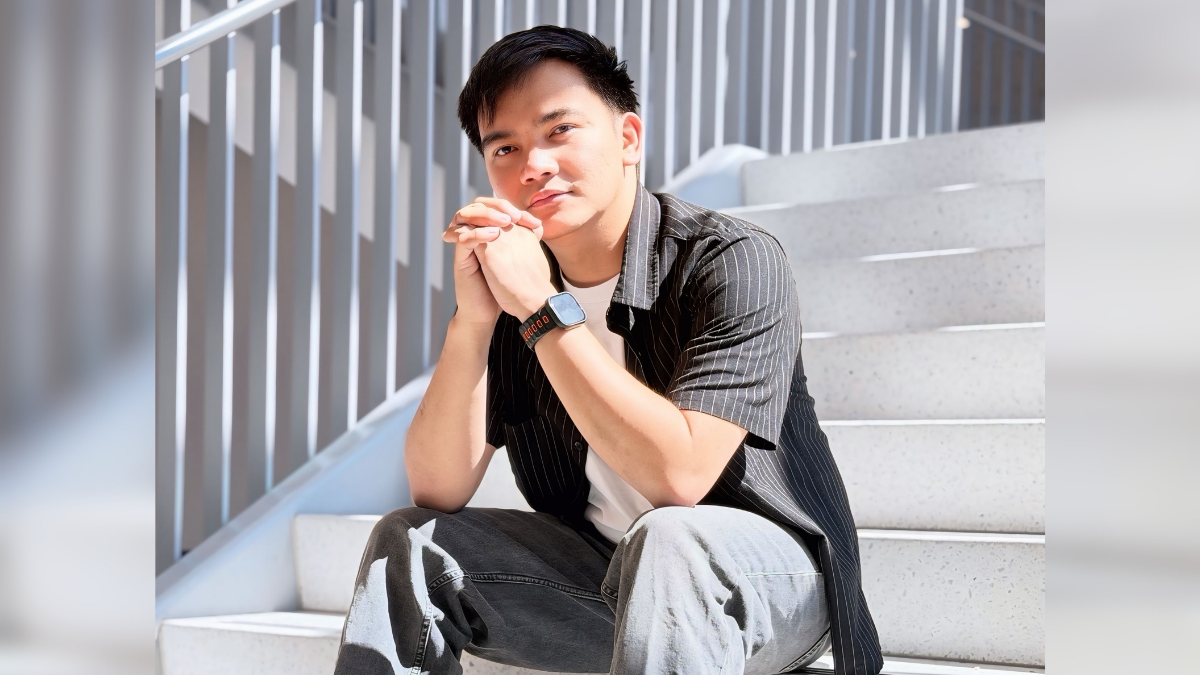

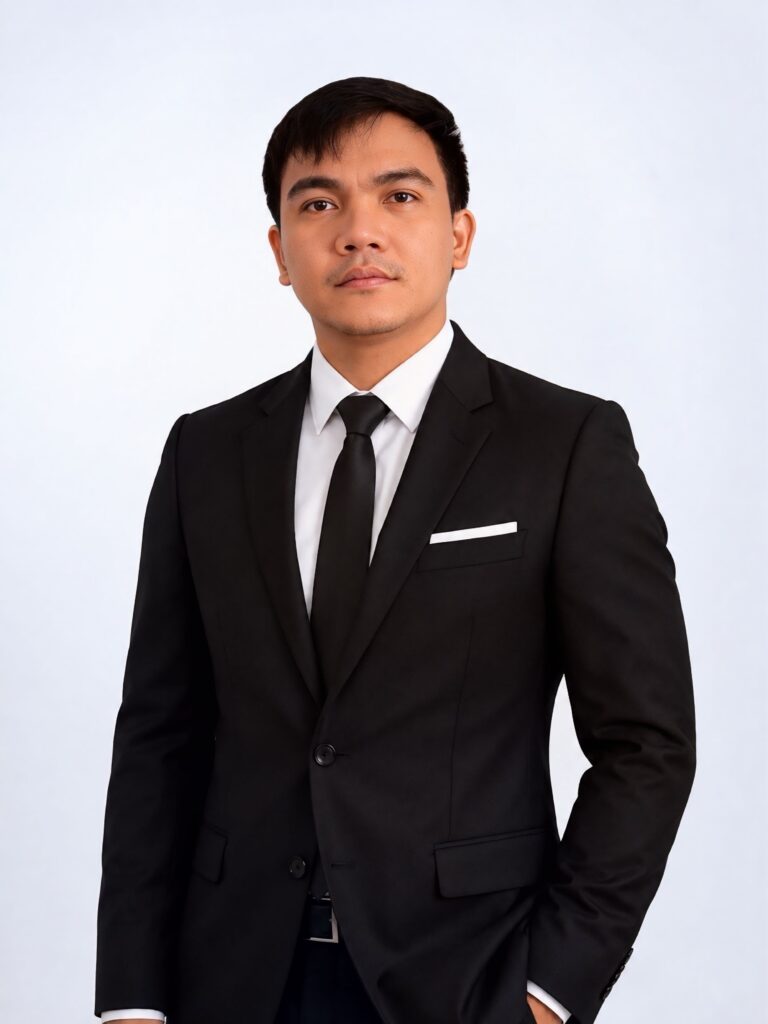
A Head Teacher III does not usually walk away from a title he spent seven years earning. The position sits near the top of the Philippine public school ladder, the kind of role most educators build toward for their entire careers. Jaymar Kevin Padayao gave it up to start over as a stranger in a country where he had never set foot, teaching fifth graders who had never heard of the town he came from.

The trade sounds lopsided until you understand what he was working toward.
The decision that hurt
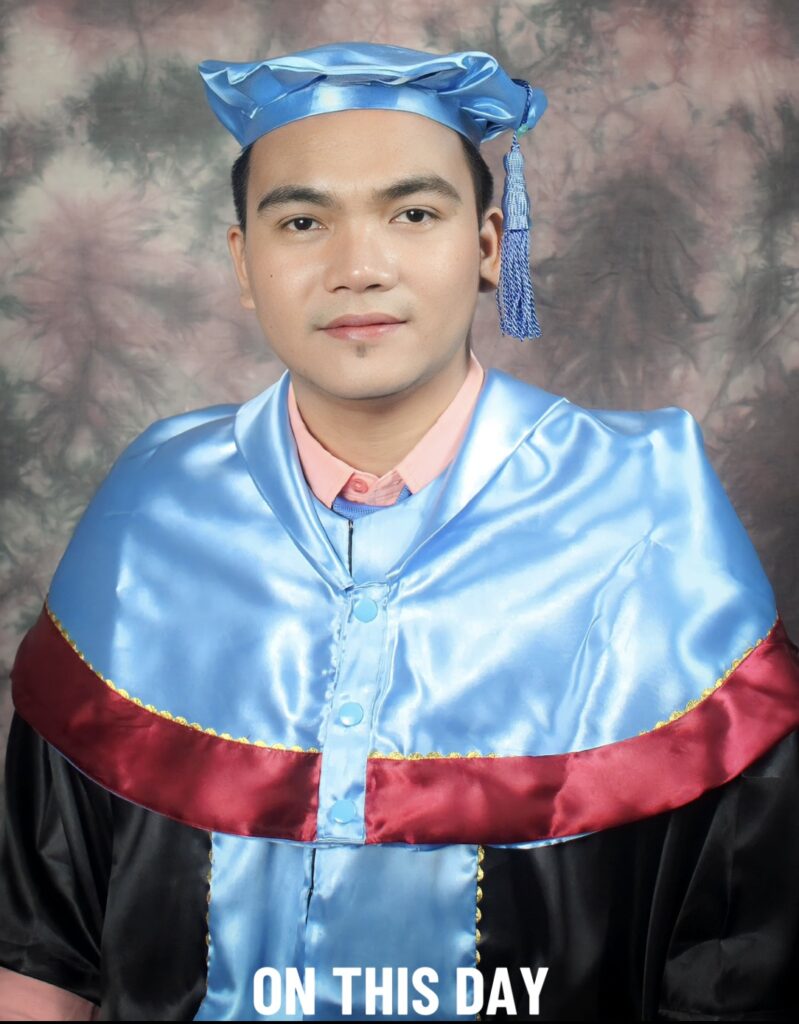
Jaymar spent nearly a decade in Philippine education, most of it at his own alma mater, before he became a Head Teacher III at Suba Elementary School. Even with the administrative title, he refused to leave the classroom, splitting his days between teaching Science 6 in the mornings and running programs, paperwork, and community work in the afternoons. He believed school leaders had no business drifting away from the students they were supposed to serve.
Leaving all of that behind was not a career calculation. It was a family one.
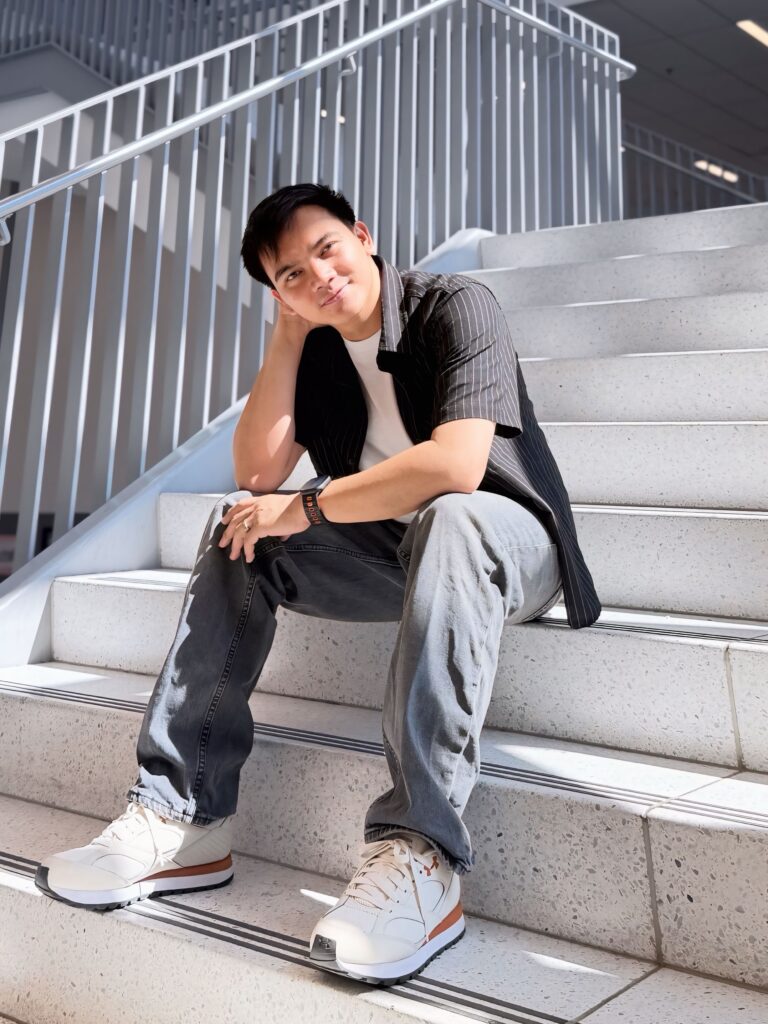
“Choosing to work abroad was one of the most difficult decisions I have ever made because it meant leaving behind the people and places that I love,” he shares with TGFM. His mother has been recovering from a stroke for close to eleven years. His father, now a senior citizen, spent his life providing for the family. The 33-year-old felt he owed them something back.
So in September 2024, he took his first job outside the Philippines, arriving in St. Louis, Missouri, as a J-1 exchange teacher at George Washington Elementary Academy. It was the first time he had ever worked overseas, and the distance landed harder than he expected.
“The distance is painful, especially during moments when I wish I could be beside them, but knowing that my sacrifices can help my family gives meaning to every challenge I face,” he says. He frames the whole journey plainly: “My journey abroad is not just my story—it is a story of a son who dreams, sacrifices, and works hard because he wants to give back to the two people who gave him everything.”
A hard first year
Adjusting to a new country is one thing. Adjusting while grief piles up back home is another.
During his first year, the former head teacher battled separation anxiety while learning an unfamiliar culture and an entirely different school system. Then his uncle died, and he could not fly home for the funeral. Around the same stretch, both of his parents fell ill, and there was little he could do from thousands of miles away.
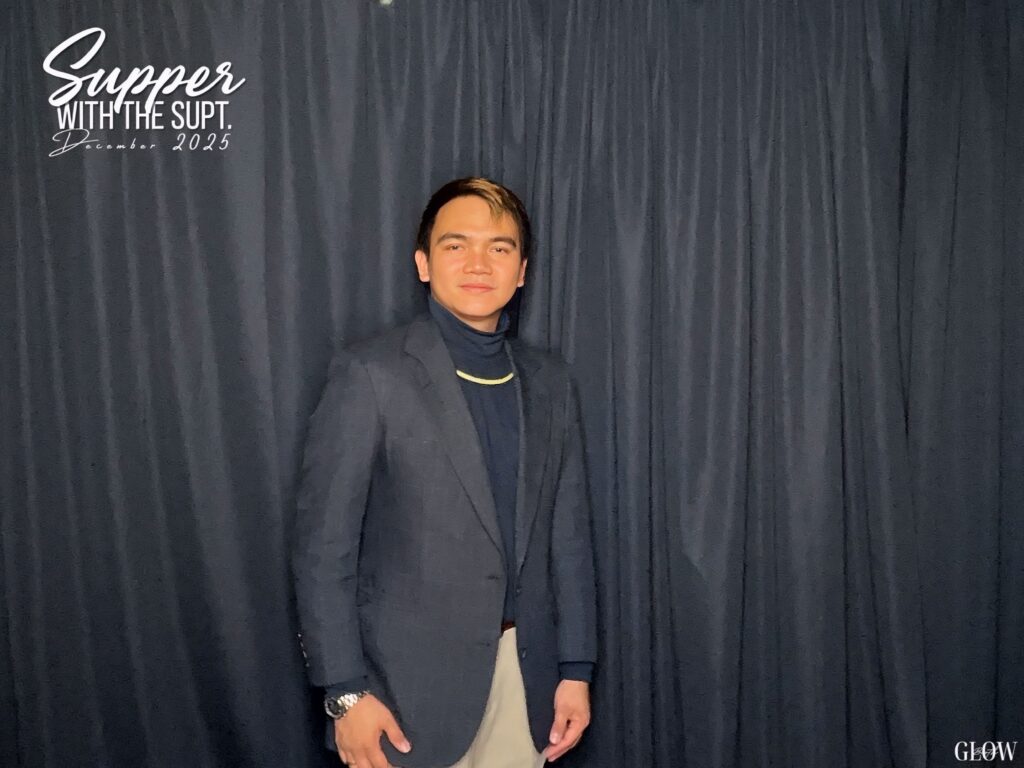
“Thankfully, through God’s grace and prayers, they recovered,” he says. He held himself together through steady calls home, long hours of work, and faith he leaned on harder than ever.
What kept him upright, though, was a community he had not counted on. The Filipino families of St. Louis took him in — the titas, titos, kuyas, and ates who had built lives in America years earlier, some of them retired nurses. They handed newcomers the ordinary things that make a place livable, from household basics to a sense of belonging.
“Their kindness reminded me that family is not always defined by blood but also by people who genuinely care for you,” Jaymar says.
By his account, that support carried him from surviving his first year to actually understanding it. Now in his third school year in Missouri, he speaks about his students and the American system with a familiarity he did not have when he landed.
Why the classroom still wins

Ask the fifth-grade teacher what makes the work worth the loneliness, and he doesn’t reach for the abstract. He talks about the kids.
“Teaching allows me to inspire, encourage, and help children discover their potential every single day,” he says. “I chose this profession because I believe education has the power to change lives.” His classroom in St. Louis is a diverse one, and he treats that as an opening rather than an obstacle — a chance, as a Filipino teacher, to show his students how rich his own country’s culture and traditions are.
The reward he names is not test scores. It’s watching a child stand a little taller.
“The most satisfying part of my work is seeing my students become more confident—not only academically but also personally,” he says. “Knowing that I helped them believe in themselves makes every challenge worthwhile.”
There is a practical payoff too. Teaching abroad has handed him new methods, classroom management strategies, and technologies he did not have access to back home. He describes coming away more adaptable, more independent, and more grateful — the kind of growth he says only happens once you leave the comfort of the familiar.
The plan is to come back
For all the effort he has poured into building a life in Missouri, Jaymar is clear that it has an expiration date, and that’s by design.
The J-1 visa carries a 212(e) home residency requirement, which obligates exchange visitors to return to their home country for two years before they can pursue certain U.S. visas. He is not looking for a loophole. He wants to go home. His plan is to rejoin the Department of Education, ideally return to his alma mater, and put everything he has learned back into the system that trained him.
“My goal is to bring home the knowledge, best practices, and experiences I have gained in the United States,” he says. He wants to mentor younger teachers and future school leaders, and to push for innovative instruction, global collaboration, and tighter partnerships between schools and the communities around them. “I believe that investing in teachers ultimately benefits every learner,” he says.
It’s the same conviction that shaped the DAYAW program he left behind at Suba Elementary — a project built on the idea that a school thrives only when the whole community pulls for it.
What he’d tell the next one
For the Filipinos weighing the same leap he took, the educator does not sugarcoat it.
“Remember that your journey will never be easy, but it will always be worth it if you remain focused on your purpose,” he says. He knows the homesick nights are coming, so his advice is concrete: hold onto your faith, stay close to family, build friendships with people you can trust, and never be too proud to ask for help.
He is just as blunt about money — save before you spend, steer clear of unnecessary debt, keep something set aside for emergencies — and about people. “Choose people who genuinely care about your well-being,” he says. “Not everyone you meet will have good intentions, so protect your peace and surround yourself with positive influences.”
Underneath all of it sits the single idea that got him from a small Philippine town to an American classroom and, eventually, back again.
“Most importantly, remember why you started,” he says. “Your sacrifices today are building a better future for yourself and your loved ones.”
