



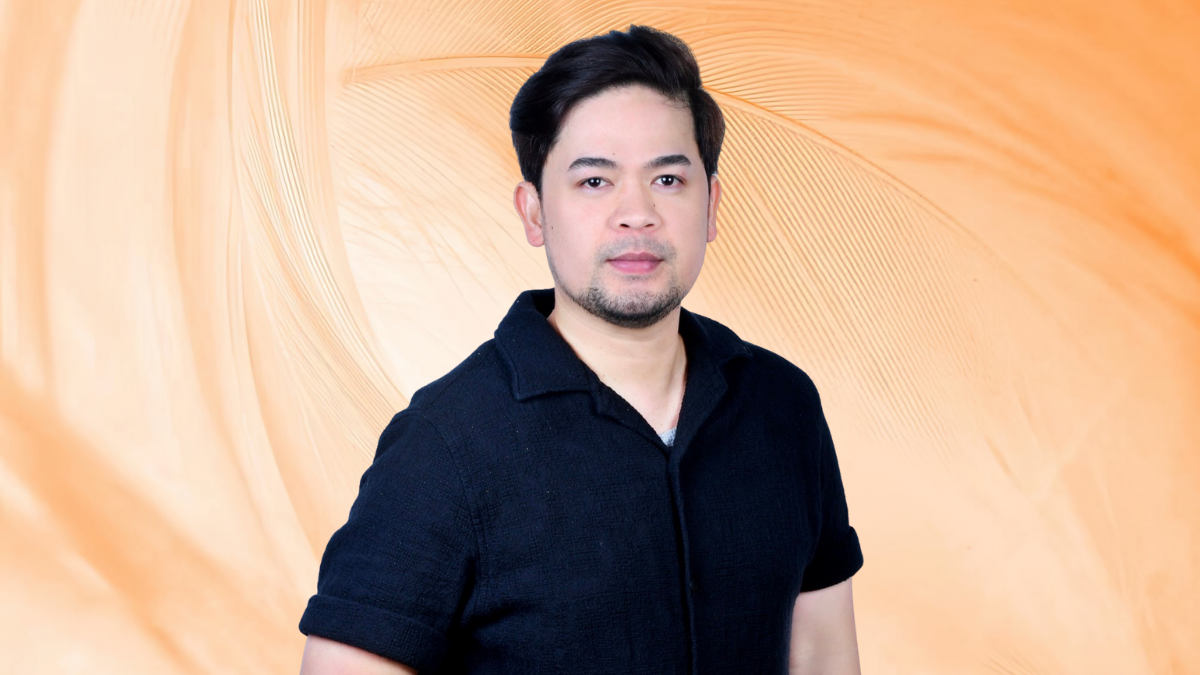

The elevator doors open onto the Medical High Dependency Unit and the first thing that hits you is the sound — monitors, footsteps, the low murmur of a handover briefing already in progress. Somewhere between the ICU and the general ward, this is where patients are still fragile enough to need watching, but stable enough to be moving toward something better. It is not a place that forgives distraction.

Renel Bonite Tique walks into that environment every shift as Acting Charge Nurse — responsible not just for his own patients, but for the rhythm of an entire floor. Staff allocation, patient coordination, conflict resolution, discharge planning: the list is long and the margin for error is small. He arrived in the UAE in 2010, spent nearly a decade building his clinical foundation elsewhere, and joined Sheikh Khalifa Medical City in 2024 — moving quickly enough that within two months, the hospital named him Employee of the Month.
Sixteen years later, that early determination has compounded into something harder to quantify than a job title.
From Nueva Ecija to Abu Dhabi
Renel grew up the eldest of five children in a household that knew the weight of sacrifice well. His parents — neither of whom finished college — worked to keep the family together and put food on the table. He watched that, absorbed it, and decided early that his path forward ran through nursing and eventually overseas.
After passing the Philippine Nursing Licensure Examination, he started where most Filipino nurses start: volunteering. He took a position as an Emergency Nurse at Talavera General Hospital without pay, building the clinical hours and the stomach for high-pressure situations that the profession demands. A year later, he moved to E.L.J. Memorial Hospital in Cabanatuan City, working the Medical-Surgical Ward, where the cases come fast and the learning curve is steep.
By 2010, he was on a plane to Abu Dhabi — and into his first overseas post as a Pediatric Nurse at Salama Medical Consultant Clinic, where he would spend the next nine years. It was there that his clinical instincts sharpened and his patience deepened, caring for young patients who could not always articulate what was wrong.
“I decided to work overseas not only to help my family financially and support my siblings in completing their university education,” he shares, “but also to enhance my professional skills and remain updated with the continuous advancements in healthcare.”
The pandemic years
If there is a chapter of Renel’s career that reshaped everything that came after it, it is the one that reshaped nearly every healthcare worker’s story globally: COVID-19.
When the pandemic hit, he was deployed to Emirates Humanitarian City, where thousands of COVID-19 patients were being cared for at the height of the crisis. From 2021 to 2022, he was assigned to Al Rahba Hospital under SEHA, one of the UAE’s designated COVID facilities. By the end of 2022, he was supporting frontline operations at SKMC’s Emergency Department, while also being deployed to various ambulatory healthcare services for screening missions and vaccination campaigns.
“The COVID-19 pandemic remains one of the most unforgettable chapters of our lives,” he reflects, “one that tested healthcare workers physically, emotionally, and mentally. Despite the challenges, we succeeded and overcame the crisis through unity, resilience, teamwork, and the exceptional leadership and support demonstrated by the leaders of the United Arab Emirates.”
That period did not break him. If anything, it clarified what he was capable of — and set the stage for the next move that would define his career.
A culture of recognition
The awards did not come all at once, but they came steadily — and they tell a story of consistent performance rather than a single standout moment.
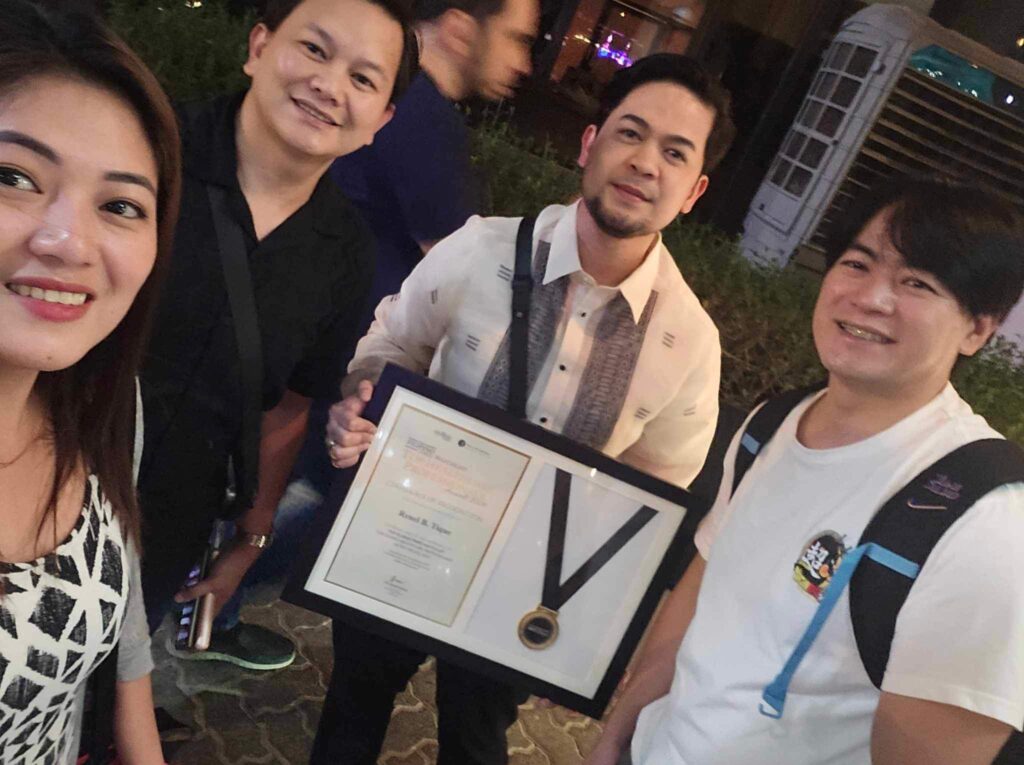
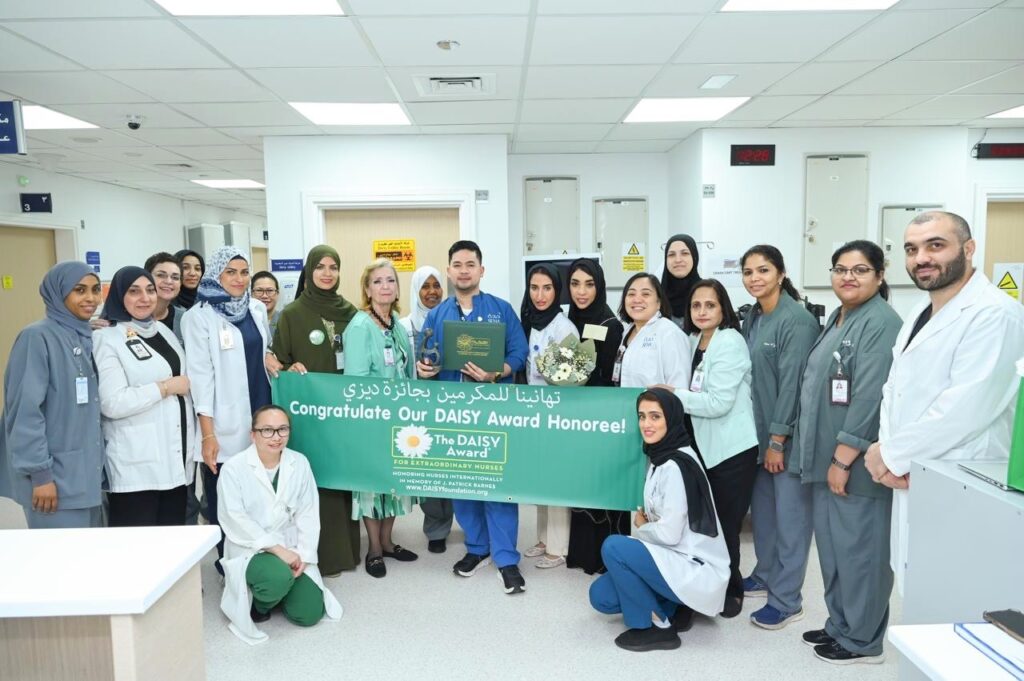
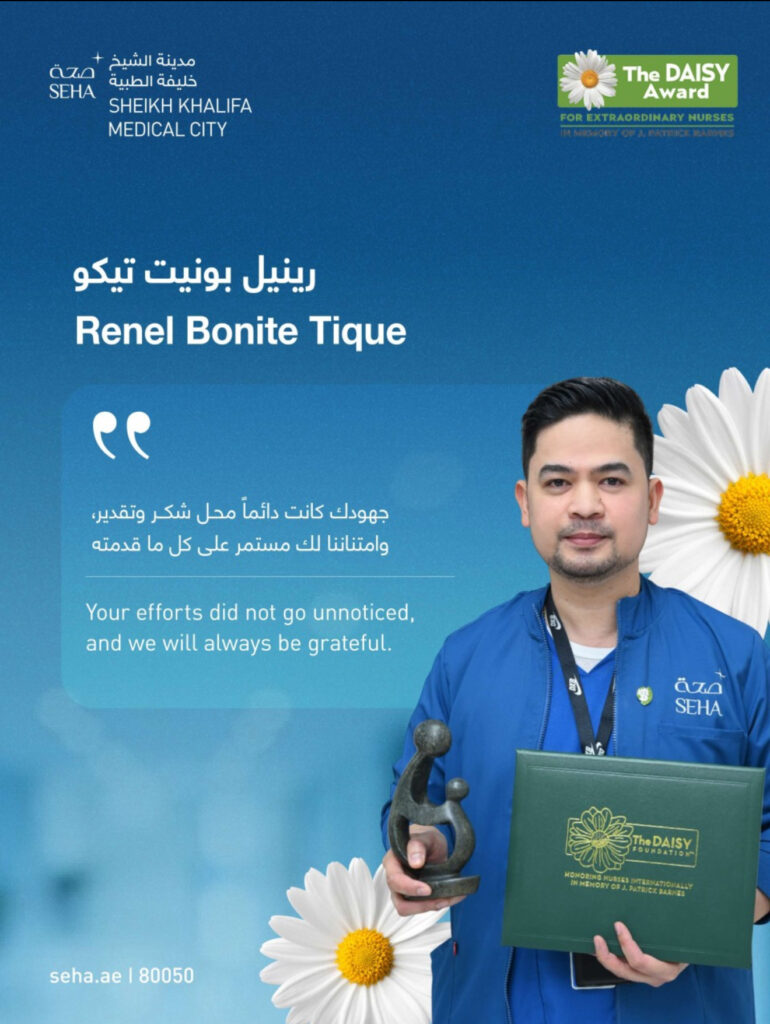
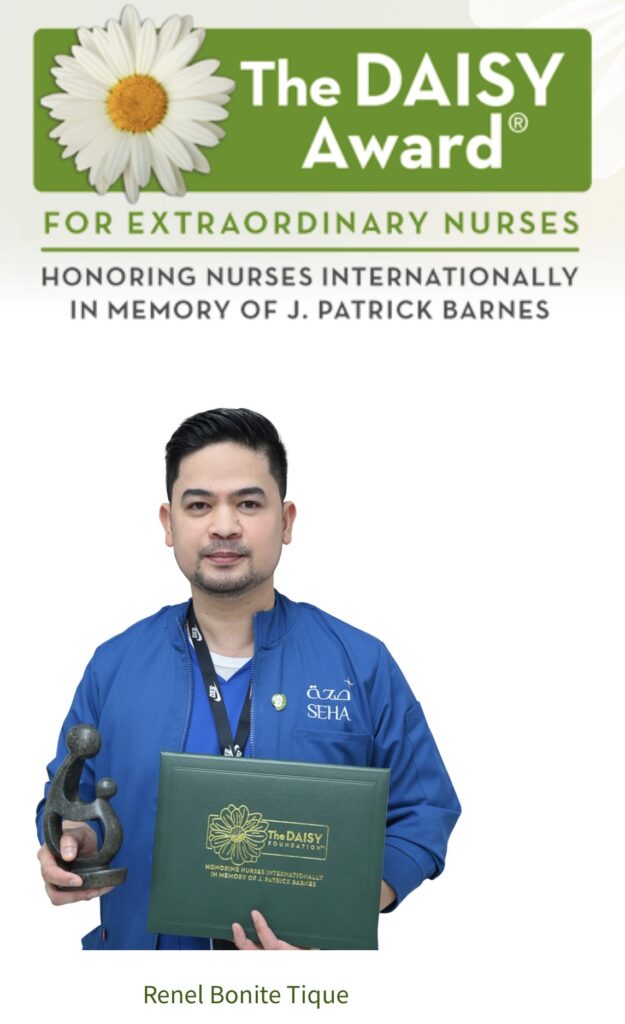
In 2024, just two months after joining the Medical HDU at Sheikh Khalifa Medical City, Renel was named Employee of the Month. The same year, he was recognized as one of The Filipino Times Top Healthcare Workers in the Middle East. During International Nurses Week 2025, he was honored as one of SKMC’s Outstanding Nurses. In July 2025, he received the DAISY Award for Extraordinary Nurses — an international recognition program for nurses who demonstrate compassionate, skillful, and exceptional patient care.
But the recognition that perhaps means the most to him is harder to frame on a wall. It is the moment a patient recovers. The family that gets good news. The colleague who learns something from a BLS session he volunteered to teach on his day off.

“Being able to witness a patient recover, provide comfort during difficult times, or support families through challenging situations gives me a deep sense of fulfillment,” he says. “Nursing is not simply a career — it is a vocation driven by compassion, service, and purpose.”
Outside his clinical shifts, he functions as an American Heart Association Instructor, teaching Basic Life Support and Advanced Cardiac Life Support courses to healthcare professionals. He is also an active member of the UAE Medical Reserve Corps and holds a certification as an Oncology Nurse, earned through a three-month upskilling program at Tawam Hospital. Somewhere in between all of that, he completed a Master’s Degree in Business Management, majoring in Hospital Administration, through Jaipur National University’s distance education program.
The degree was not incidental. It was deliberate — a recognition that good nurses who want to lead well need to understand the system they are operating inside, not just the ward.
What 16 years teaches you
Renel is careful not to romanticize life abroad. He has lived it long enough to know that the version OFWs post on social media and the version that plays out on ordinary weekdays are often two different things.
Homesickness is real. So is the loneliness of building relationships in a transient environment where colleagues rotate in and out, and where genuine friendships take longer to form than anyone admits. Financial pressure is constant — the remittances, the siblings’ tuition, the parents getting older back home.
“Many expats struggle with homesickness, illness, financial responsibilities, and finding genuine friendships in a fast-paced environment,” he says. “These experiences taught me the importance of knowing and staying focused on our priorities despite the many distractions around us.”
His answer to the harder days is grounded, practical, and unambiguous: take care of your health, manage your finances, protect your peace, and keep your faith. Not as slogans, but as actual daily practice. He exercises. He prays. He writes for the hospital newsletter to encourage the nurses around him. He participates in SKMC’s Longevity Program as a volunteer.
“Material things may bring temporary happiness,” he says, “but true peace of mind brings lasting joy, fulfillment, and stability in life.”
What comes next
Renel is not the type to coast. He has a clear picture of what he wants the next chapter to look like — and it is less about personal advancement than about building something that outlasts his own career.
He wants to create a platform for Filipino nurses — a community that connects nurses in the Philippines and abroad, provides access to education and career opportunities, and links aspiring nurses with scholarships and organizational support. The vision is mentor-driven and collaborative, built around the belief that nurses who invest in each other produce better outcomes for everyone, including patients.
“My goal is to create a community that empowers nurses through collaboration, mentorship, and continuous learning,” he says. “I also hope to connect with sponsors and organizations around the world that can support aspiring nurses through educational assistance, scholarships, and funding for healthcare research programs.”
He also sees himself moving into clinical education — as a Clinical Educator or Clinical Resource Nurse — where his AHA instruction experience and his decade and a half of clinical work converge into something that can be passed on deliberately and systematically to the next generation.
To fellow Filipinos still finding their footing abroad, he offers advice that is warm but clear-eyed: protect your finances, choose your relationships carefully, do not beg for respect that should be given freely, and stay connected to the people who matter.
“No struggle lasts forever,” he says. “One day, all the sleepless nights, tears, and hard work will become a story of strength and success. Keep going, kabayan. You are stronger than you think.”
