



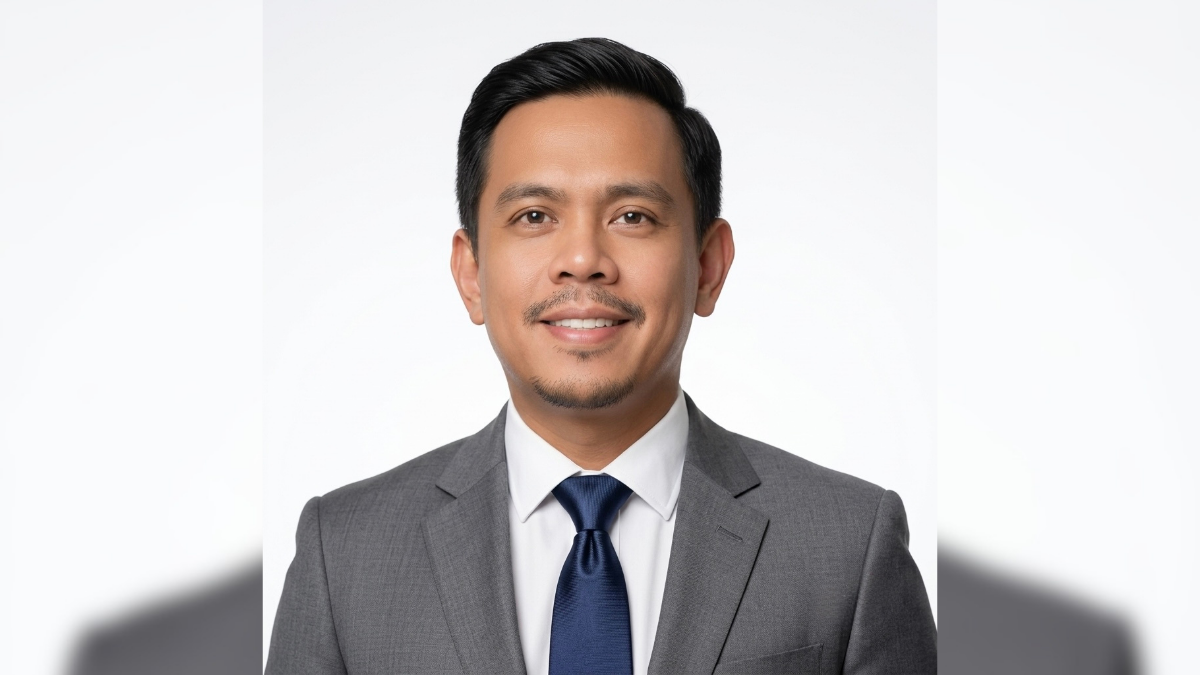

The first hour of any emergency shift can go one of two ways, and there is no telling which until the doors slide open. That uncertainty is the job. For Tuhami Uda Sali, a 37-year-old Emergency Nurse Specialist at National Guard Health Affairs in the Kingdom of Saudi Arabia, it has been the shape of a decade abroad — ten years of walking into rooms where the outcome had not been decided yet.

He arrived in 2016 as an Emergency Department staff nurse. Today he leads trauma and resuscitation teams, manages critical and neurological cases, and mentors junior nurses through advanced clinical practice. The climb went from general nurse specialist to Senior Emergency Nurse to the role he holds now.
The pull that started it
The reason he left was the one most Filipino nurses would recognize. “I chose to work overseas first to build a secure future for my family back home, providing for their needs and their education,” he says. But there was a second motive underneath the first, and it was professional ambition rather than necessity. He wanted the world-class systems, the advanced training, the global standards of practice.
Before any of that, he worked in a private hospital in the Philippines as an emergency and general care nurse — a posting he credits for the foundations that mattered most later. Crisis management. Resourcefulness. Compassionate care. Those things travel.
What holds him in the emergency room
Ask him why he chose the most demanding corner of the profession and he does not talk about adrenaline. “What I love most is being the first line of hope for patients in their most vulnerable moments,” he says. The specialty appeals to him precisely because it refuses to let one skill compensate for the other. “I chose emergency and critical care because it demands both sharp clinical skill and a caring heart — where quick thinking and steady empathy can change a life.”
That conviction has been formally acknowledged twice over. He holds dual international certifications in Critical Care and Neuroscience Nursing from the United States, and this year received the Outstanding Emergency Nurse and Patient Advocacy Excellence Award from Parangal ng Natatanging Pilipino Awards Inc. under its Outstanding Professionals 2026 roster. The advocacy half of that citation is the part he lingers on. Caring, as he puts it, means standing up for those in need.

The cost nobody lists on the contract
The certifications were earned in the hours that were supposed to be for sleep. Long shifts, then late-night study. Meanwhile the harder arithmetic played out at home: illnesses he could not attend, milestones he watched from a distance. “I overcame these through deep faith, the unwavering support of my family, and strong bonds with fellow OFW nurses who became my second family,” the emergency specialist recalls. He describes converting each setback into fuel — every sacrifice a step toward serving better.
Ten years of that also rewired how he practices. Treating patients across nationalities and cultures taught him adaptability and teamwork in ways no classroom module could.
The return he is already planning
He does not intend to stay abroad indefinitely. The plan is to come home and run training and mentorship programs for emergency, critical care, and neuroscience nurses, with priority on underserved areas. Alongside that, he wants to push on the structural issues — working conditions, fair compensation, mental health support, professional recognition for Filipino nurses both at home and overseas.
For kababayans still finding their footing overseas, his advice starts with a warning against standing still. “Never stop learning — your skills are your greatest treasure,” he says. He extends it past the professional: choose companions who encourage you, manage resources wisely, build relationships on trust and respect.
The way he frames the whole enterprise leaves little room for treating it as a paycheck. “You are not just working abroad; you are building a legacy and carrying the pride of the Philippines.”
