



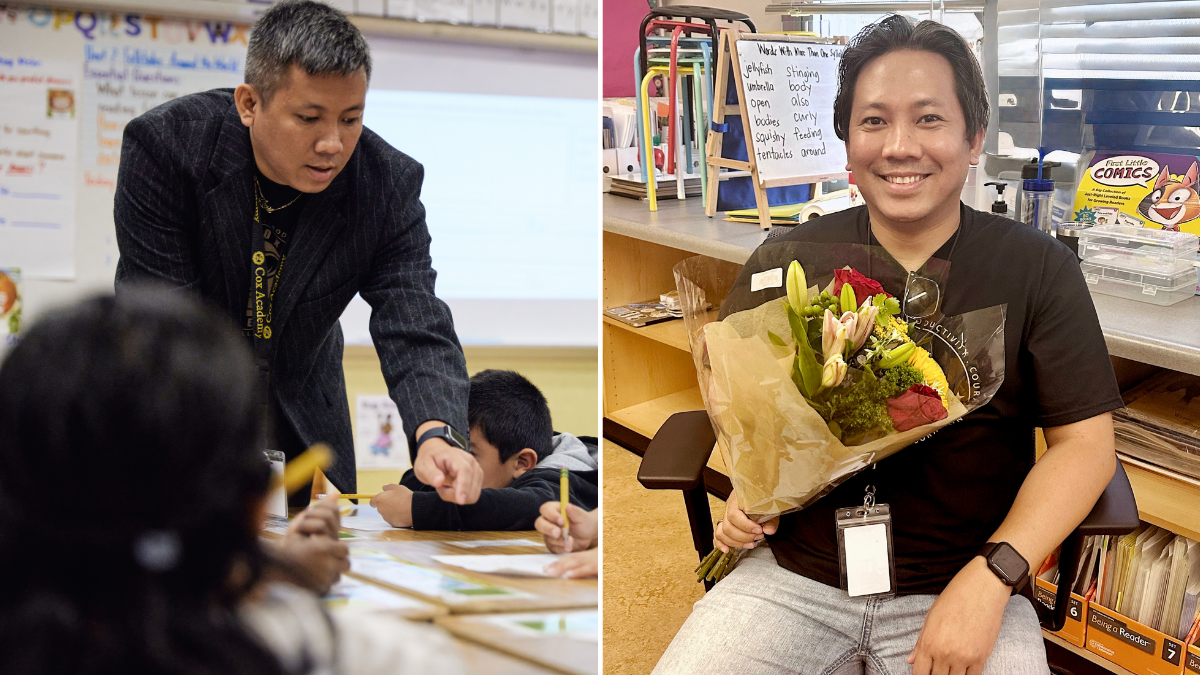

For many Filipinos working abroad, the decision to leave home is never simple. It means trading the familiar — family dinners, native tongue, the comfort of knowing how things work — for something uncertain but full of possibility. It means carrying your country on your back while figuring out a new city, a new system, and a new version of yourself. For one educator from Negros Occidental, that leap across the Pacific became something far greater than a career move. Louie Tamayo Lipa did not just find his footing in Oakland, California — he opened a door that dozens of Filipino teachers would walk through after him.

A first of many
When Louie arrived in 2021 through the J-1 Exchange Visitor Teacher Program under Global Educational Concepts, he stepped into a role no Filipino had held before at Education for Change Public Schools. He was the district’s first-ever Filipino international educator — a distinction that came with quiet but considerable pressure.
“I wanted to explore how educational systems work abroad, especially in diverse communities like those in the United States,” he said, “while learning new teaching strategies and collaborating with educators from different backgrounds.”
The adjustment was real. Living alone for the first time, navigating a different curriculum, and managing the emotional weight of distance from family all hit at once. “The biggest adjustment for me was dealing with homesickness while balancing the demands of my career and daily life as someone living alone for the first time,” Louie recalled. Outside the classroom, maintaining his mental and emotional well-being became just as critical as lesson planning.
But he stayed the course. Through consistency, humility, and genuine care for his students, he earned what no credential could fast-track — trust. His classroom at Cox Academy became known for balancing academic rigor with warmth, and the district took notice.
Recognition, one year at a time
Louie’s trajectory reads like a quiet but deliberate climb. In his second year, he was selected as a focus teacher for Instruction Partners, a nonprofit that supports educators serving students of color, multilingual learners, and students with disabilities. The work deepened his commitment to educational equity and sharpened his instructional practice.
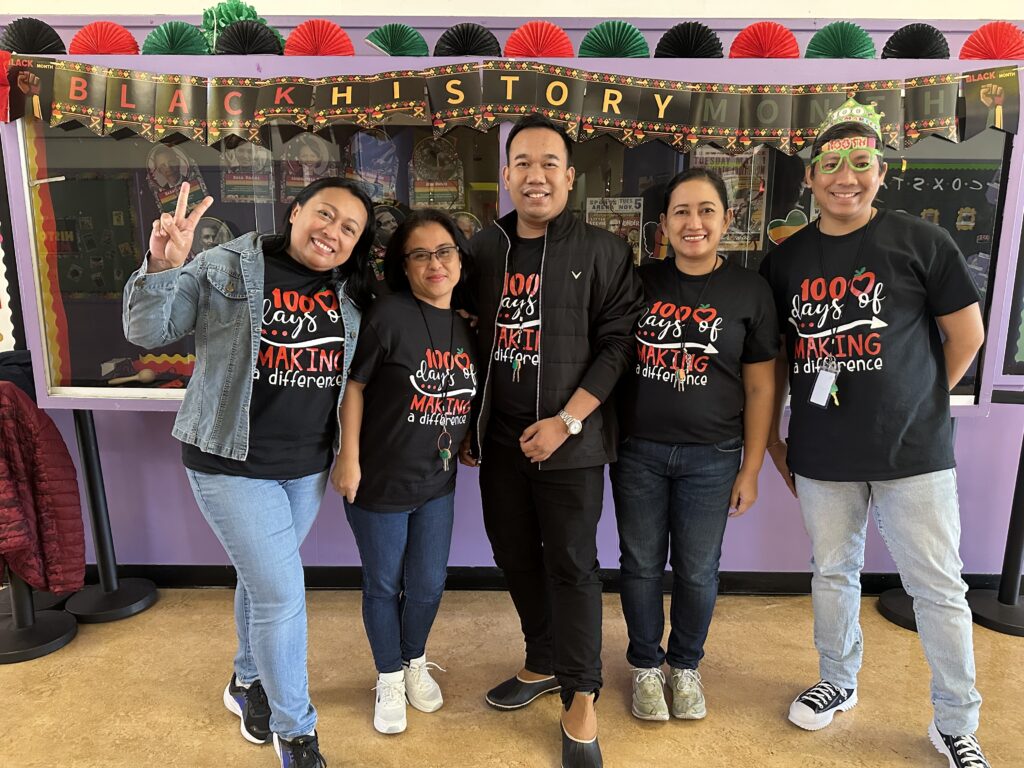
That same year, he received the Excellence Reflex Cobra Award — recognition for his proactive problem-solving and his ability to build meaningful relationships across the school community. By his third year, he had earned the district’s Teacher of the Year award, an honor given to educators who demonstrate leadership, innovation, and measurable impact on student achievement.

“Receiving the Teacher of the Year award is deeply meaningful to me because it validates the hard work, sacrifices, and passion that I pour into teaching every day,” he said. “More than a personal achievement, I see it as a shared victory for Filipino educators around the world.”
He dedicated the recognition to his family, his students, his colleagues, and to every Filipino teacher navigating the same challenges he once faced.
In his fourth and fifth years, Louie took on the role of Teacher Mentor for the Alder Graduate School of Education Mentoring Program while simultaneously serving as Teacher Lead for First Grade — guiding both aspiring teachers and veteran colleagues toward stronger, more collaborative practice.
Bringing it home
Louie’s time in Oakland was never meant to be permanent. The J-1 program requires a two-year home residency upon completion, and as he prepares to return to the Philippines, the question he carries is not what he accomplished abroad — but what he brings back.
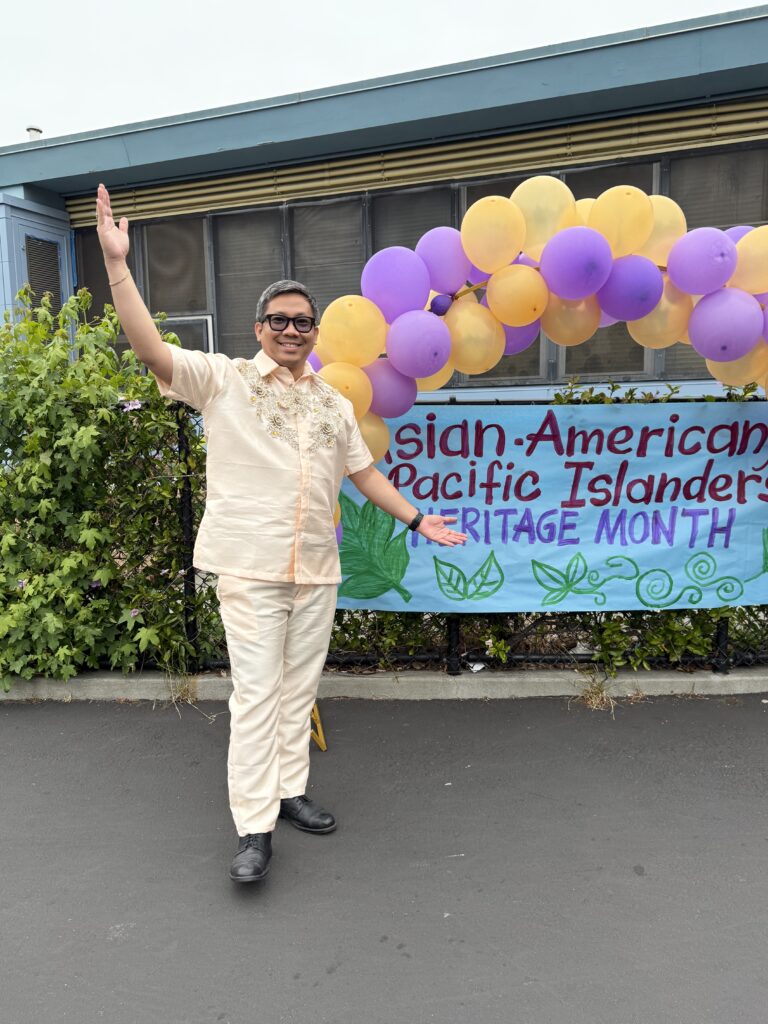
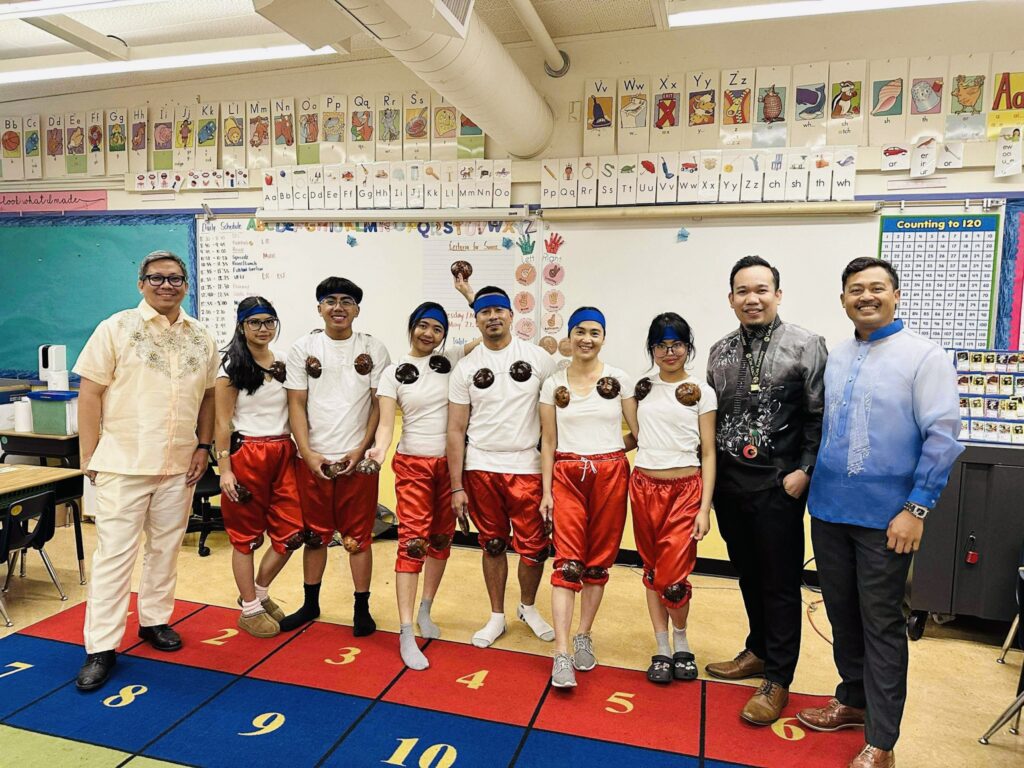
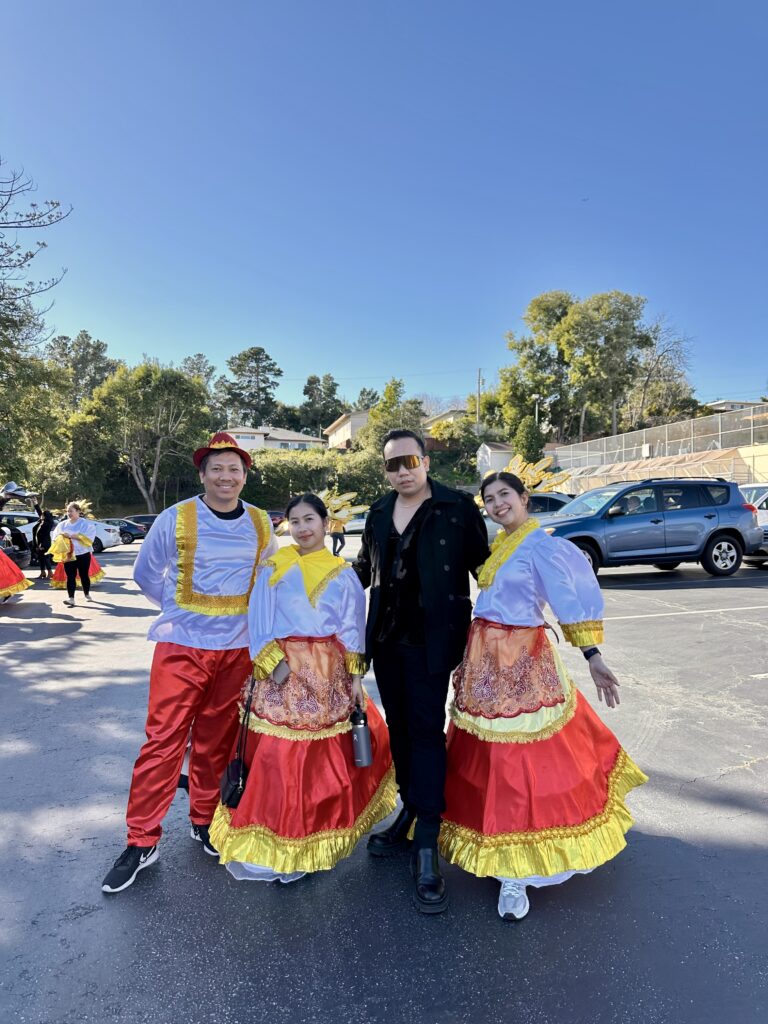
He has already answered it. In his years at the school, he led Asian American and Pacific Islander Month initiatives, weaving Filipino dances, stories, music, and literature into the school community’s life. “I believe representation matters,” he said, “and I want students — especially Filipino and Asian students — to feel seen, valued, and proud of their identity.”

For those considering the same path, his advice is unsparing: “You must be willing to learn, unlearn, and relearn because entering a new educational system often means starting over regardless of the titles or positions you previously held.”
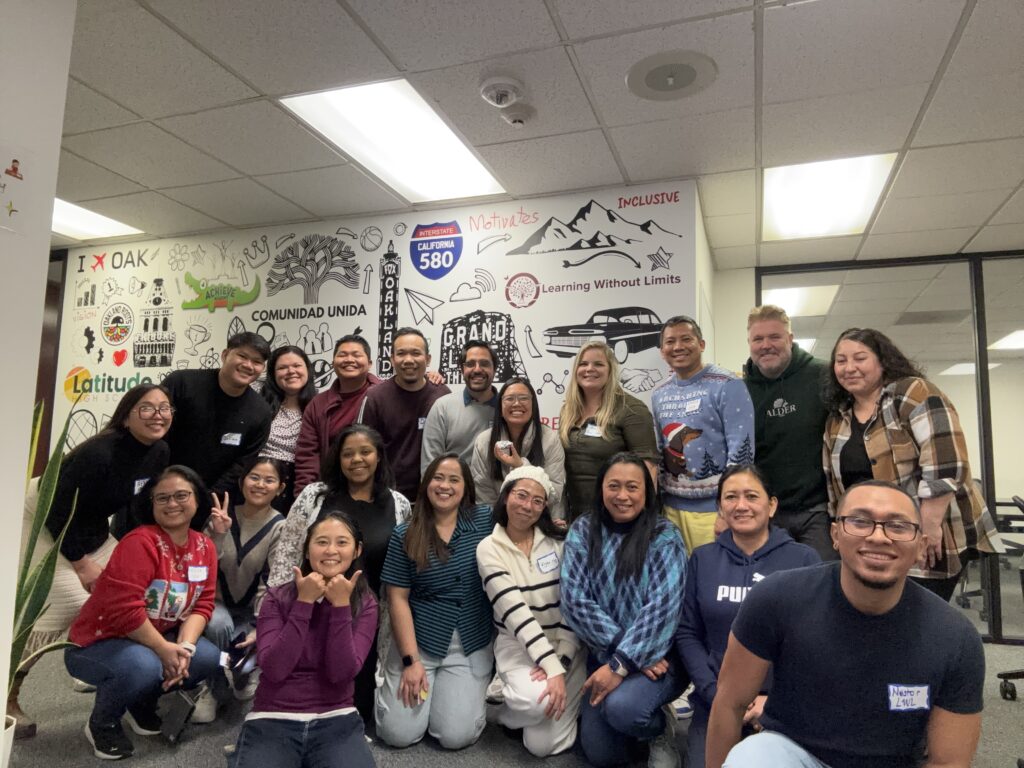
His journey has also left something concrete behind. Today, more than 30 international teachers serve across Education for Change schools — many of them Filipino, many of them following a trail Louie blazed.
He came as one. He leaves having made room for many.
