



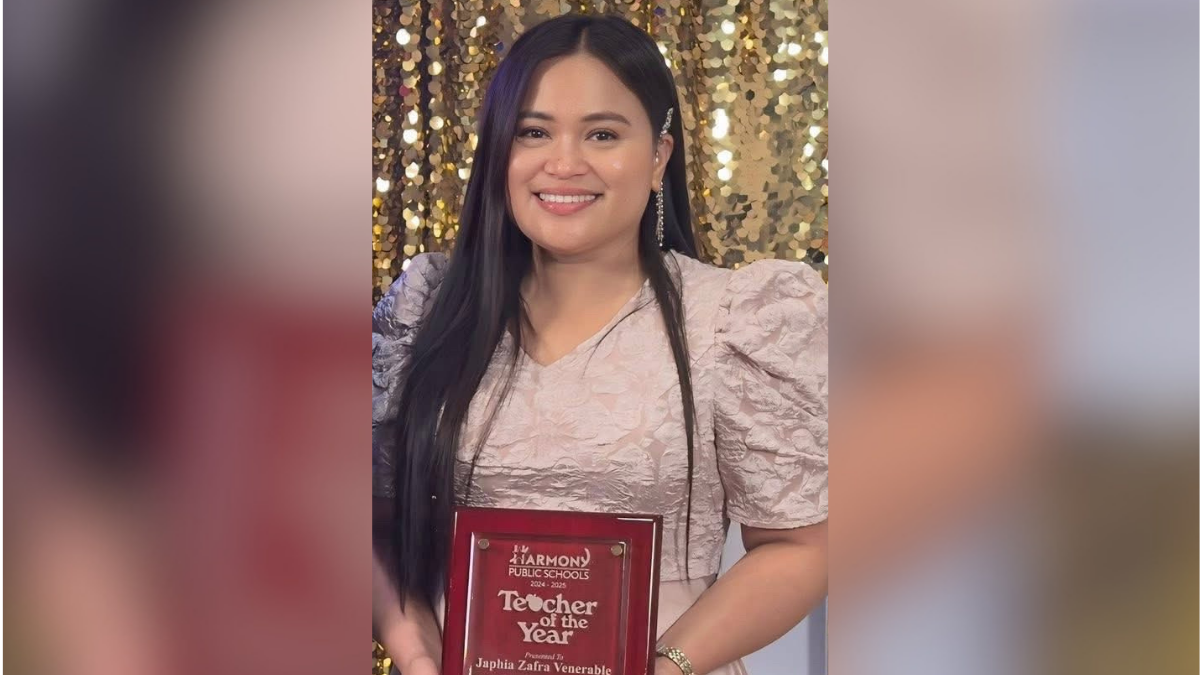

There is a particular kind of courage in starting over — packing up everything familiar and walking into a country where you know almost no one, and where everything, from the grocery aisles to the classroom rules, works differently than you were taught.

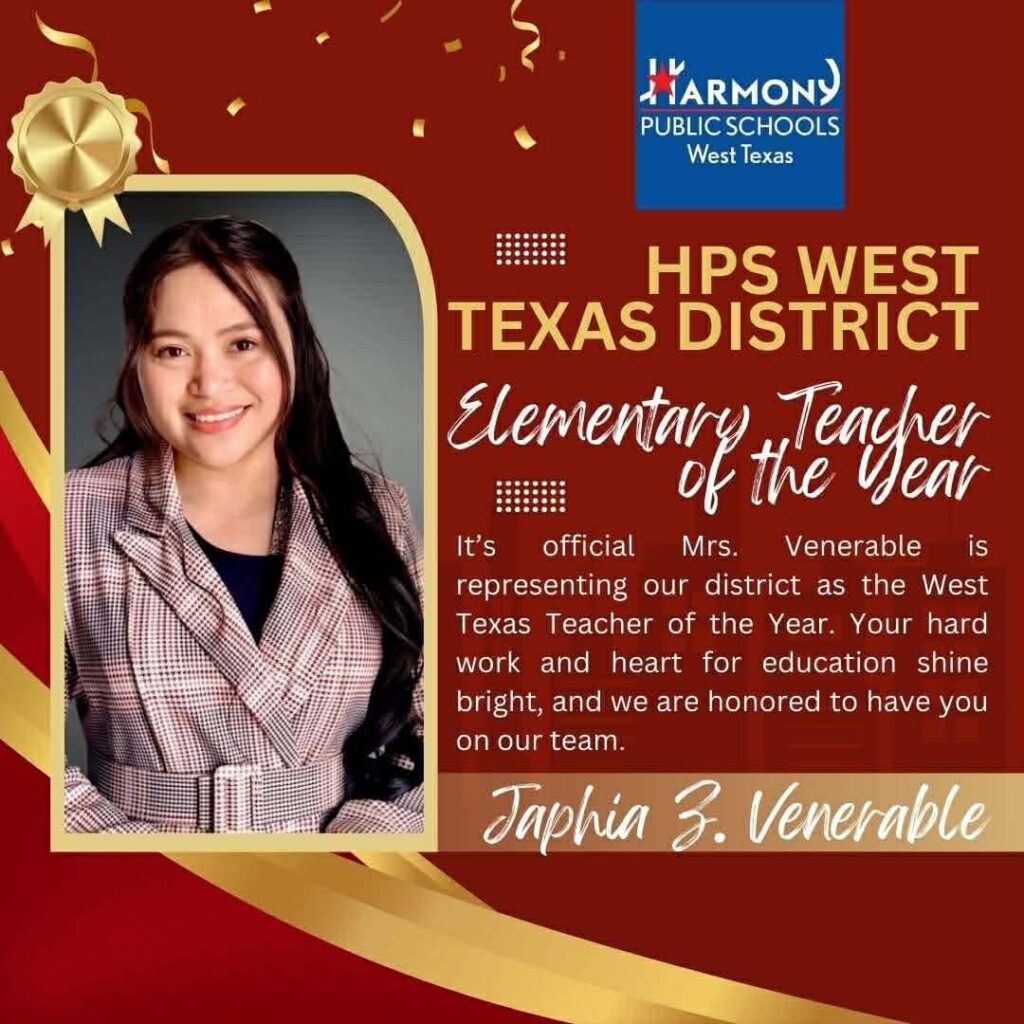
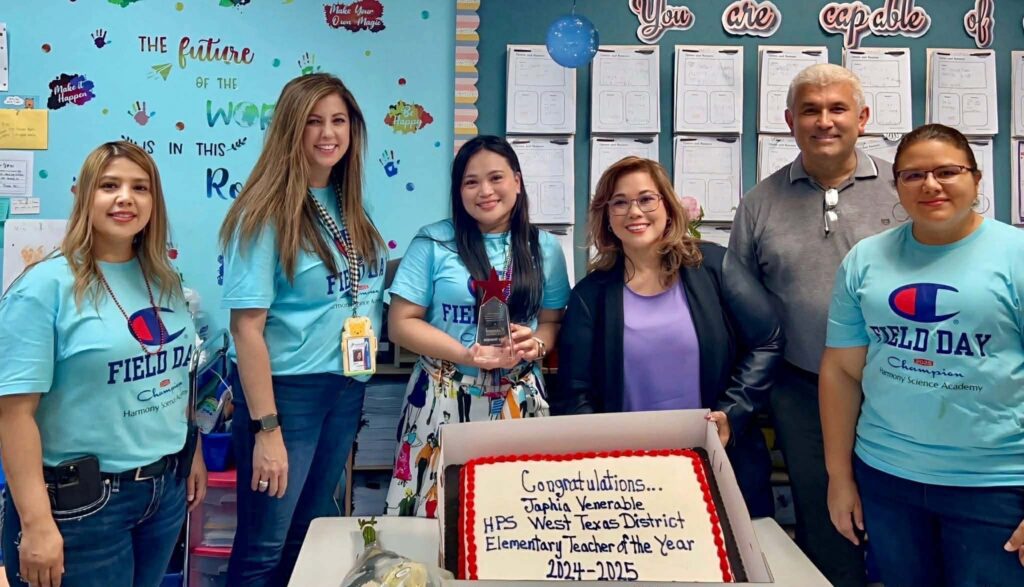
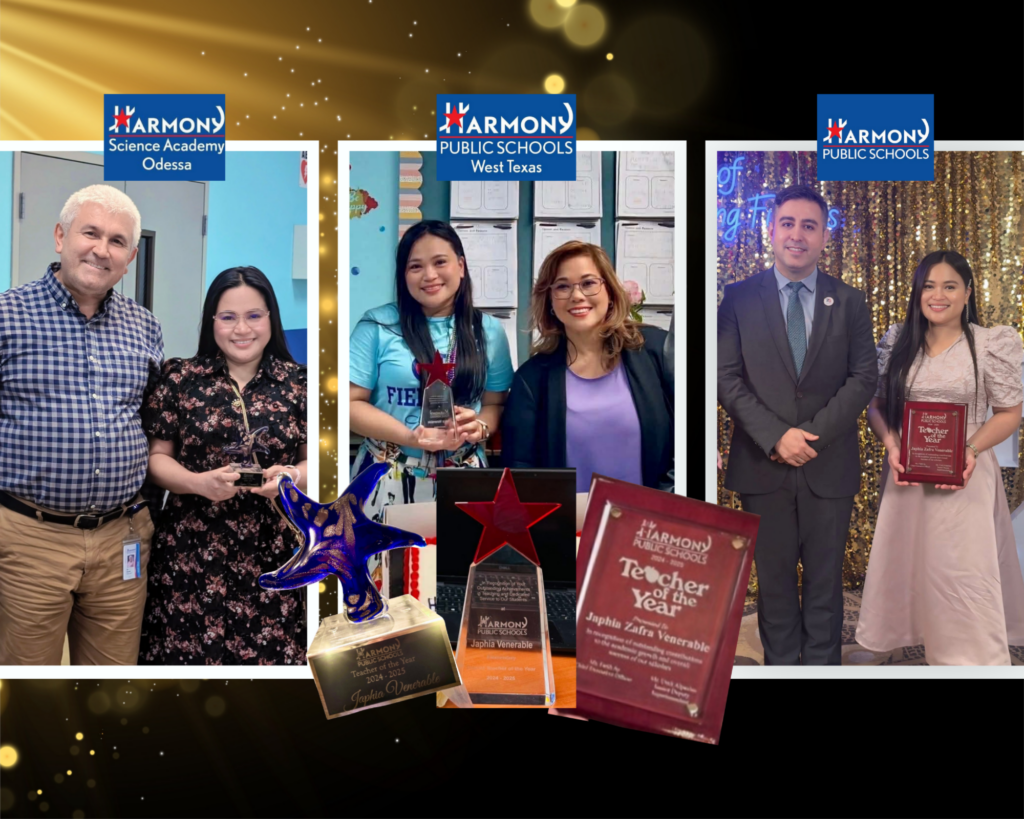
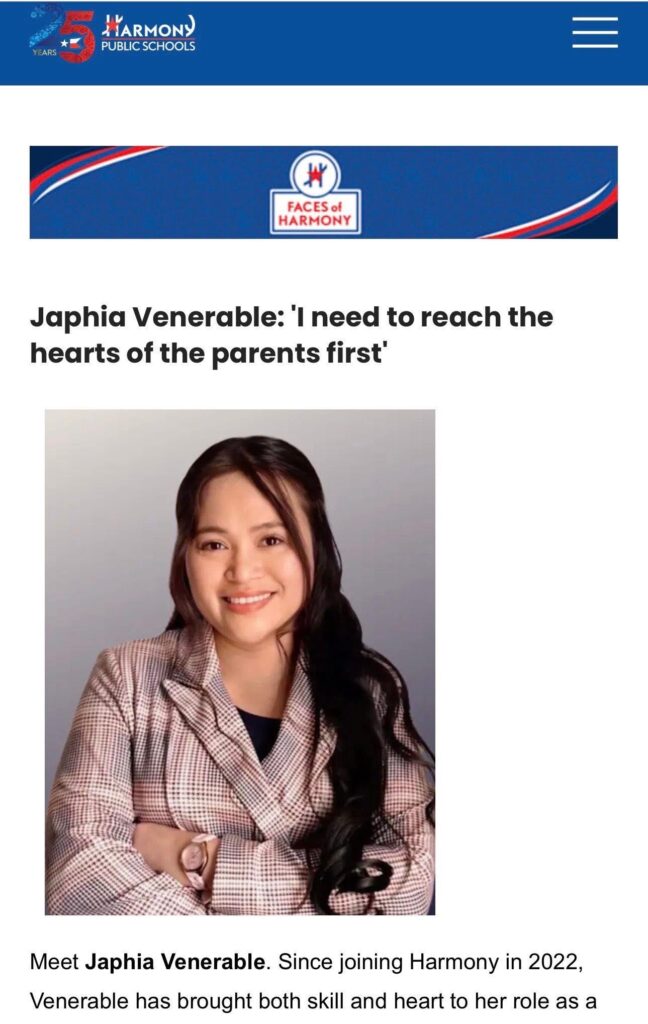
Japhia Venerable knows that feeling well. The 37-year-old Filipino educator arrived in the United States four years ago carrying, as she puts it, “more than just a suitcase — dreams, faith, and the hope of creating a better future for my family.” Today, she stands as a Kindergarten teacher at Harmony Science Academy in Odessa, Texas, a Campus Teacher of the Year, a West Texas District Teacher of the Year, and a statewide Harmony Public Schools Teacher of the Year — honors that tell only part of her story.
A road that did not go straight
Before any of those recognitions, there was a call center cubicle in the Philippines.
Japhia began her professional life in the BPO industry, first as a call center representative, later as a Tier II support specialist. It was steady work, and she was good at it — but it was not where she was meant to stay.
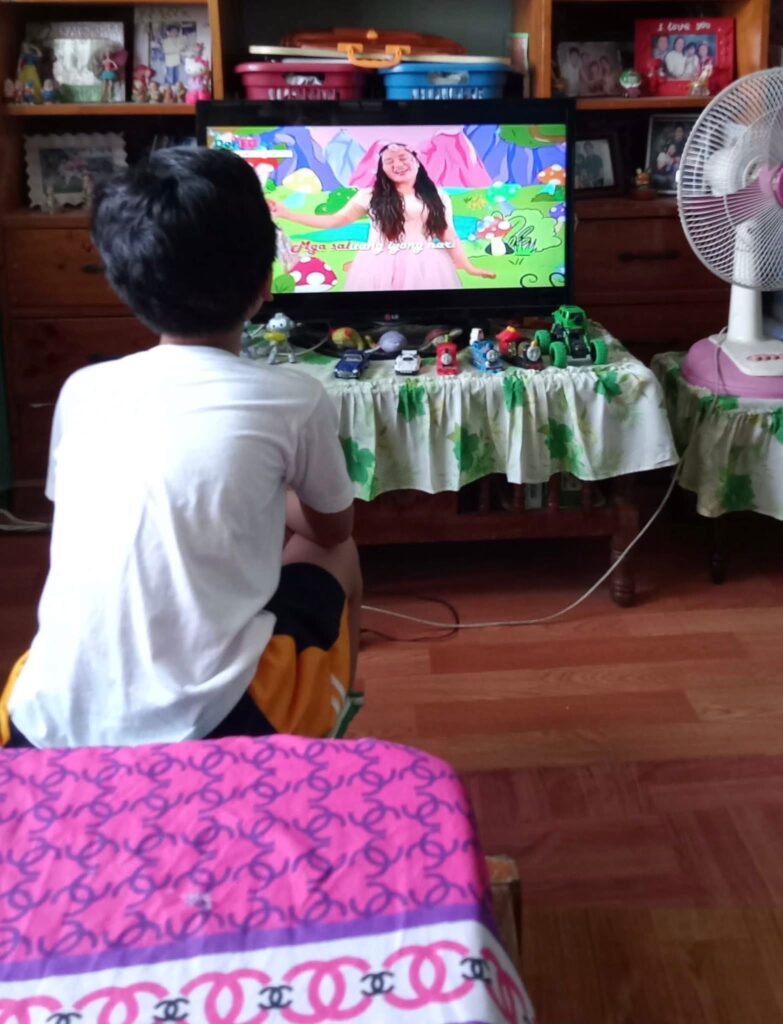
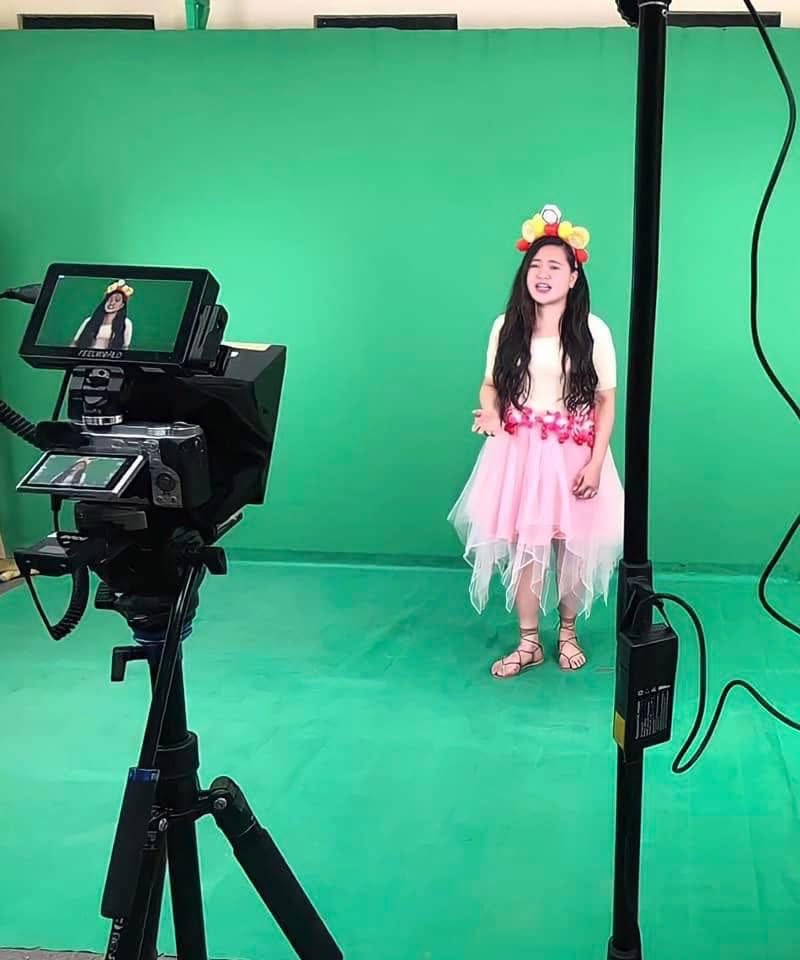
The pull toward education was quiet at first, then insistent. She made the shift, joining public schools in Bulacan where she taught all subjects, wrote scripts, managed school publications, and threw herself into the extracurricular life of a school. That foundation eventually led to one of the most remarkable chapters of her career: a role as a National Teacher-Broadcaster for the Philippine Department of Education, delivering Filipino lessons to thousands of students across the country through national television during the pandemic.
“This experience stands as one of the highlights of my career,” she says, “as it allowed me to impact thousands of learners beyond the classroom.”
From broadcasting to a kindergarten class in West Texas is not the most obvious career trajectory. But Japhia has never moved in straight lines.
Culture shock and the quiet work of belonging
When she arrived in Odessa — a flat, oil-rich city in the wide-open western reaches of Texas — the culture shock was real, if rarely spoken about.
“One of the most difficult parts was overcoming my fear of connecting with people from different races and backgrounds,” she admits. “Everything felt unfamiliar at first, and I often found myself stepping out of my comfort zone.”
There were quiet stretches of homesickness. Pressure to prove herself in a new system. The particular loneliness of being good at something back home and having to rebuild that reputation somewhere else. Self-doubt crept in, as it tends to do in those early months abroad.
What got her through, she says, was a combination of faith, perseverance, and the people who showed up around her. Slowly, she found her rhythm. She built genuine friendships across cultures. She learned new teaching methodologies and brought them into her classroom. She stopped measuring the unfamiliar as a threat and started reading it as material.
Her principal at Harmony Science Academy, Yuksel Kocak, eventually described her as a natural-born teacher who had reached a level of mastery rare in kindergarten. That recognition came not from a single inspired lesson, but from the accumulated weight of daily commitment.

A classroom built on belief
What does it actually look like, teaching five-year-olds in West Texas when you grew up in Bulacan?
For Japhia, it looks like a classroom designed around safety, confidence, and expectations that do not flinch. She uses innovative and progressive strategies — her phrase — not as buzzwords, but as a genuine philosophy: that young children learn best when they feel seen, challenged, and allowed to fail safely.
One parent’s account cuts through the professional language. Mrs. Marquez, whose son Cameron has ADHD, shared a testimonial that speaks to what Japhia’s approach looks like from the outside: a teacher who does not give up on a child long after that child has left her class. It is the kind of detail that a string of award plaques cannot quite capture.
“The most satisfying aspect of my work,” Japhia says, “is seeing my students gain confidence, develop a love for learning, and achieve milestones they once thought were impossible.”
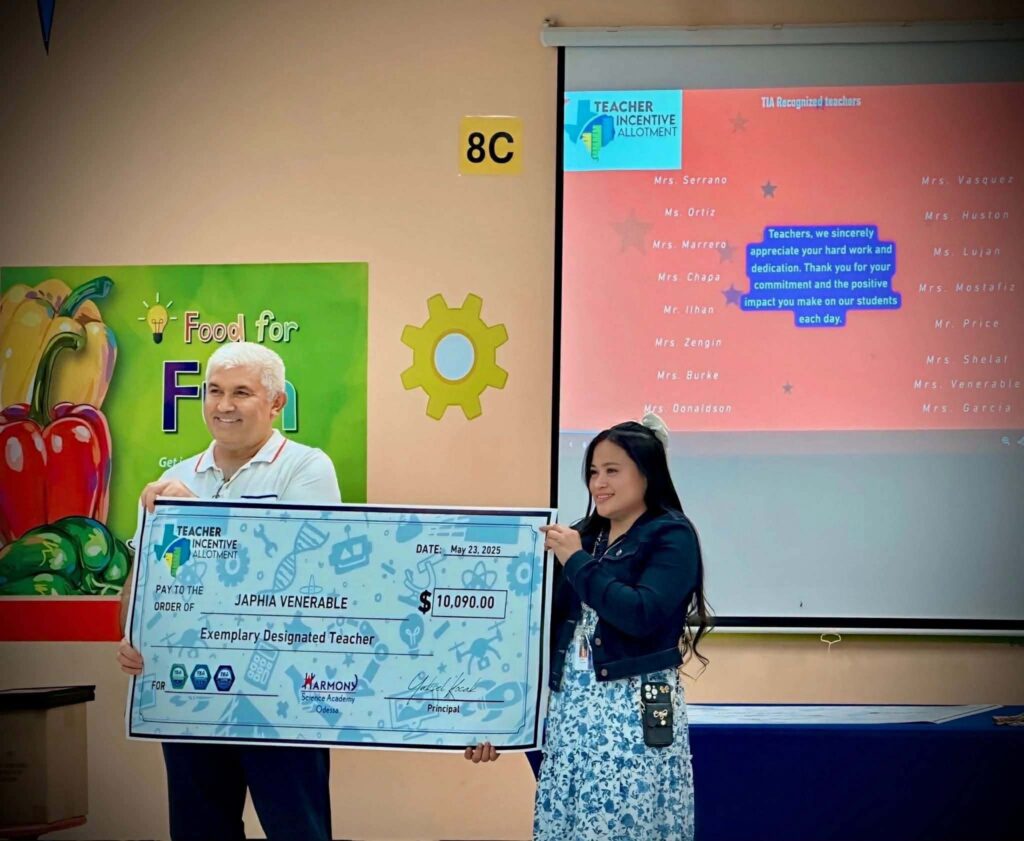
Beyond individual students, her role has expanded. She now serves as a Mentor Teacher and PLC Leader, guiding kindergarten through second-grade teachers — work that multiplies her reach well past the four walls of her own classroom. The awards have kept coming: the Exemplary TIA Teacher Designation, the HEB Excellence in Education Awards, Top Science Teacher. Each one a data point in a larger argument she is quietly making about what Filipino educators bring to international classrooms.
What she is building toward
Japhia is not thinking small about what comes next.
“I hope to continue contributing to education through leadership roles, curriculum development, and mentoring fellow teachers,” she says. “I want to share the knowledge and lessons I have gained from working in different environments, especially to support and empower educators in the Philippines.”
Financially, the years abroad have enabled a stability she could not have predicted from that BPO cubicle — consistent savings, investments, properties, a sturdier foundation for her family back home. But she is clear that the ledger she cares about most is not the financial one.
Her advice to fellow Filipinos working abroad is direct, unadorned, and earned: “Do not measure your success only by titles or recognition. The real success is found in the quiet victories — the student who finally understands, the child who feels seen, and the families who trust you.”
Her mantra — “Take the risk, trust God — what is meant for you will find you” — sounds like something stitched on a pillow until you trace it back to its origin: a woman who left a broadcasting career, crossed an ocean, walked into a room full of strangers, and built something worth staying for.
The story, she insists, is not finished. “Your story is still being written,” she tells her fellow OFWs, “and one day, it will inspire someone else to keep going.”
She would know.
