



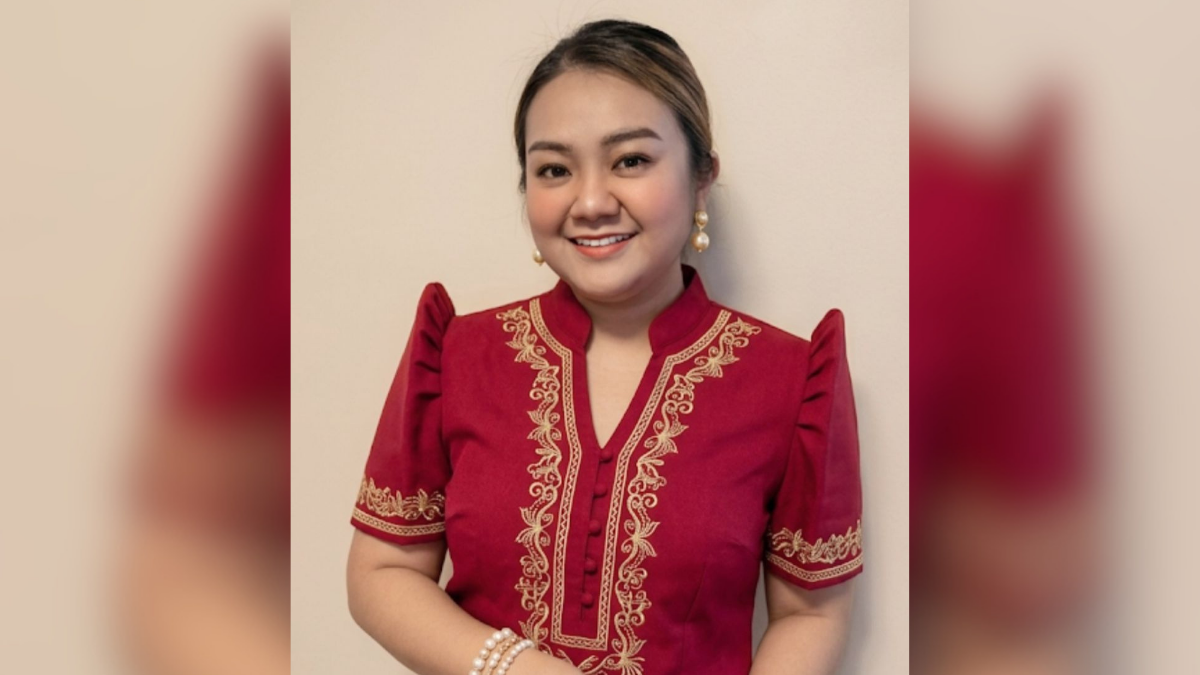

Most people picture teaching as a classroom of raised hands and neat rows of desks. For a special education teacher working with young children on the autism spectrum, the job looks nothing like that — it is part curriculum, part choreography, part quiet detective work. Lorielle Camille O. Requino, 35, has built a career learning to read the children the rest of the world sometimes overlooks, and in 2022 she carried that work halfway across the planet.

Today she teaches primary autism classes, kindergarten through second grade, for the Clark County School District in Las Vegas, Nevada. It is a role that refuses to sit still. “In this role, I wear many hats: curriculum adapter, behavior strategist, advocate, and safe harbor for my students and families,” she says. Landing in Las Vegas was her first chapter overseas after years in the Philippine public school system — a leap she describes without hesitation as a calling rather than a career move.


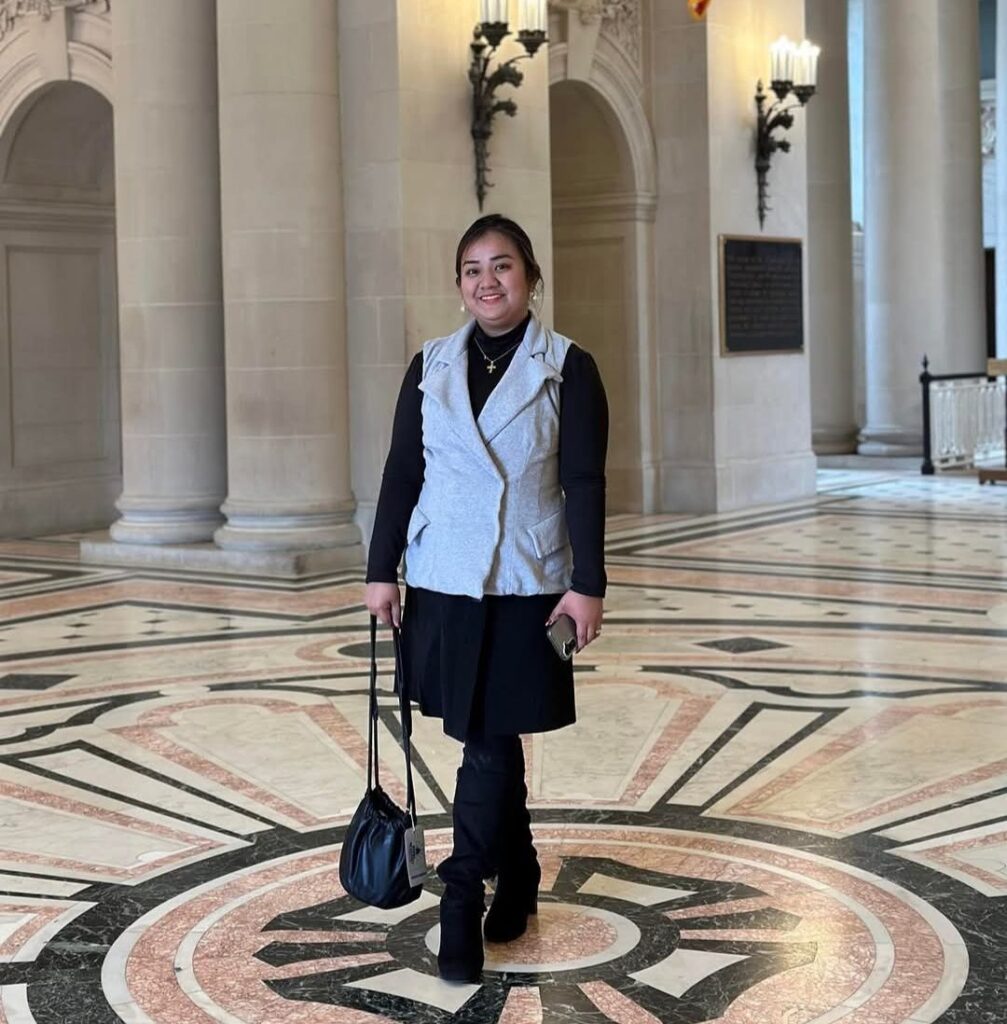
A teacher long before the classroom
Long before she was adapting lesson plans for children who process the world differently, the pull toward this work was already there. “Ever since I was a little kid, I knew my heart belonged in the world of supporting the children,” she recalls. What began as a child’s instinct to help hardened into something more deliberate over two decades of teaching.
Her Philippine résumé reads like a case study in a teacher who kept raising her own bar. She served as a public elementary school teacher in Manila, then took on roles as a demonstration teacher, resource speaker, trainer, and coach, guiding students to a string of competition wins. In 2017 she was named Natatanging Guro sa Filipino. By the time she left public service, she had risen to Master Teacher — a rank that meant she was no longer only teaching children but mentoring the adults at the front of the room.
That last detail matters, because it reframes the woman who later boarded a plane for Nevada. She was not a young teacher chasing a first big break abroad. She was an established educator at the top of her local ladder who chose to climb back down and start over somewhere unfamiliar. “I believe true growth lives at the edge of our comfort zones,” she says of the decision. For someone already recognized at home, the edge meant giving up the security of being the expert in the room.
Building a life from scratch
The professional leap came bundled with a far more personal one. Moving to Las Vegas was not only her first job overseas — it was the first time she had lived entirely on her own. “Navigating unfamiliar streets, handling every little challenge independently, and building a life from scratch pushed me far beyond my comfort zone in ways I never expected,” she says. The word she keeps returning to is resilience, not as a slogan but as something she discovered she had only once circumstances forced the question.

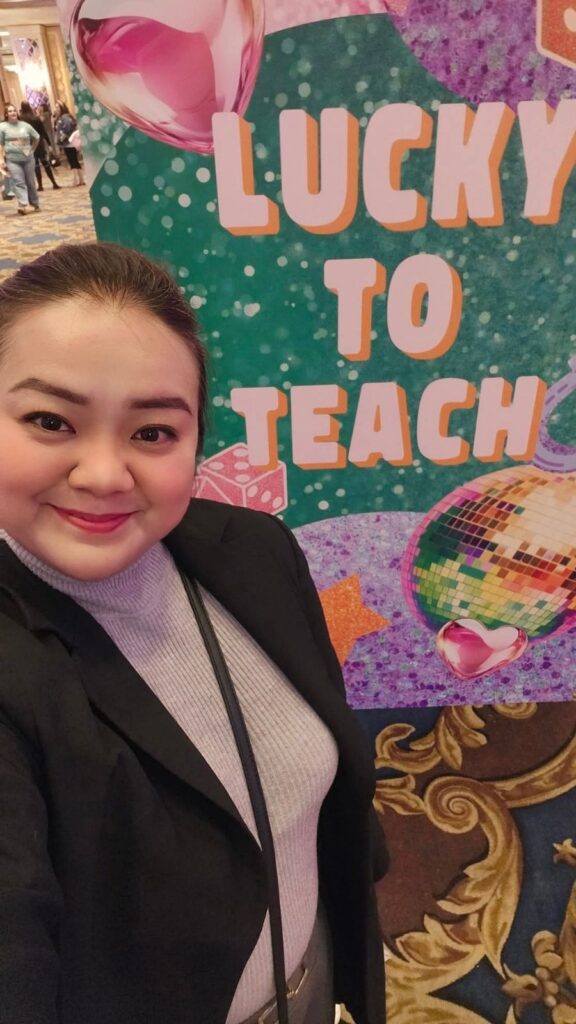



What softened the landing, she is quick to say, was other people. She credits the ones she met in the United States — “kind hearts who welcomed me, turned unfamiliar faces into a home away from home and reminded me that we are never truly walking alone.” It is a sentiment familiar to anyone who has moved far from where they started, and she offers it without polish: the loneliness was real, and so was the rescue.
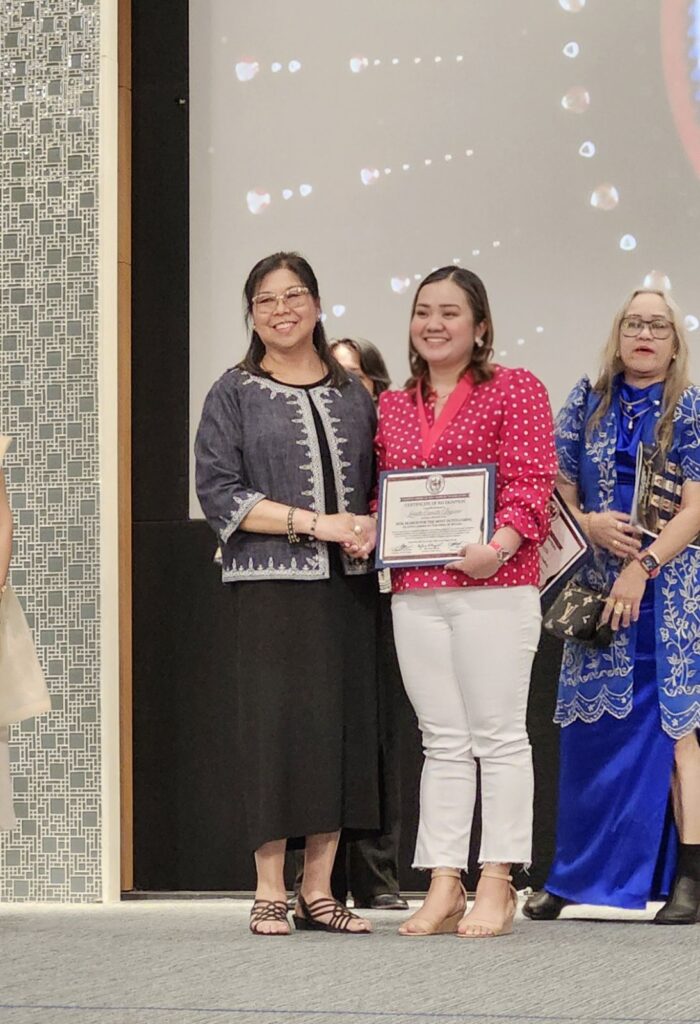
The gamble has already produced a marker of how far she has come. Through her work with her students, she was named a finalist for the Most Outstanding Teacher in Nevada — a recognition that, in a district she joined only a few years ago, speaks to how fully she has planted herself in a new system.
The part that makes it worth it
Ask the former Manila master teacher what actually sustains her through the hard days, and the answer is not the awards. It is the children. “I am blessed to celebrate their milestones together with them and their families while helping them realize their infinite potential,” she says. She describes her purpose as building spaces where children with special needs “feel seen, understood, and empowered to shine in their own extraordinary ways” — the kind of language that could sound rehearsed from someone else, but tracks cleanly with a résumé that has pointed the same direction her entire life.
She frames the work itself as a kind of travel, which suits a woman who says she loves to travel. Teaching across cultures, she explains, “requires stepping outside of your comfort zone, embracing a different way of experiencing the world, and building bridges of understanding where words are just the beginning.” For children who communicate in ways that don’t always fit the standard script, that last line is less metaphor than method.
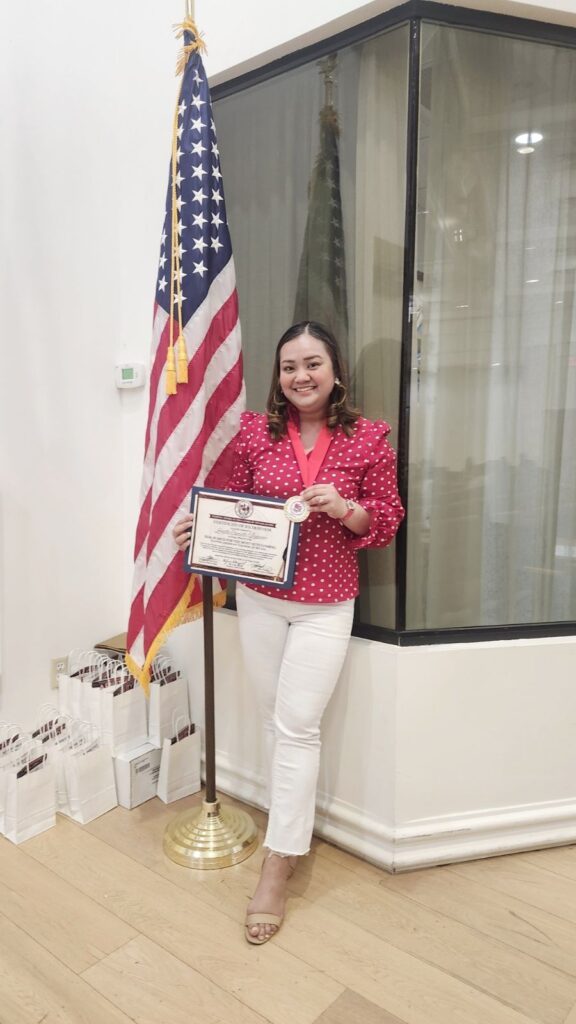
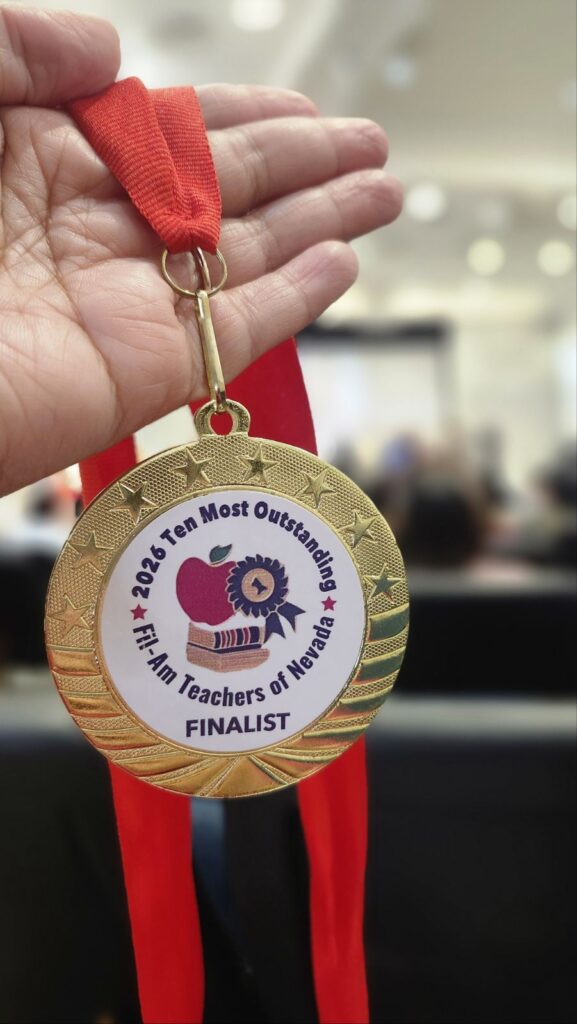
Her plans, notably, bend back toward home. When her contract ends, she intends to return to the impoverished communities of Metro Manila and pick up the advocacy she left. “My commitment to empowering the vulnerable children within the impoverished communities of Metro Manila remains steadfast,” she says.
To the kababayan struggling somewhere far from home, she offers advice earned rather than borrowed: acknowledge the homesickness instead of fighting it, keep your finances disciplined, know your legal rights, and build a support system of both Filipinos and locals. And then, the traveler in her adds, use every minute. “Seize every minute while you are abroad by traveling and exploring and learning about different cultures while allowing yourself to grow professionally.”
It is, in the end, the same instruction she has followed herself — leave the comfortable room, and see how far the work can carry you.
