



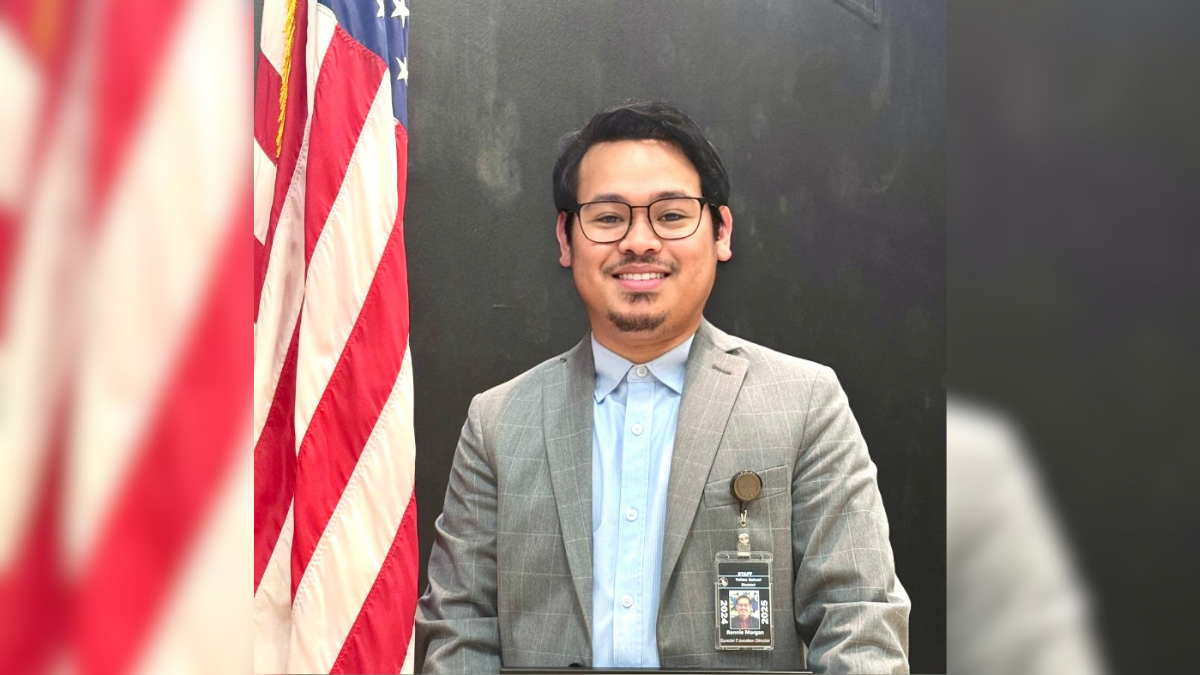

Some dreams are not inherited. They are built — quietly, stubbornly, often in the dark.

Dr. Ronnie Morgan was still in high school when he first understood what it meant to trade labor for opportunity. With no parents in the picture, he worked as a house helper — doing chores in exchange for the chance to go to school. When he reached college, he became a working student, supporting himself through every semester, every exam, every moment of doubt. That foundation, unglamorous and hard-won, is the bedrock beneath what is now a career most educators would envy. At 35, he is the Special Education Director of Toltec School District in Arizona — a role that puts him in charge of programs, policies, and the futures of students with disabilities across an entire public school district.
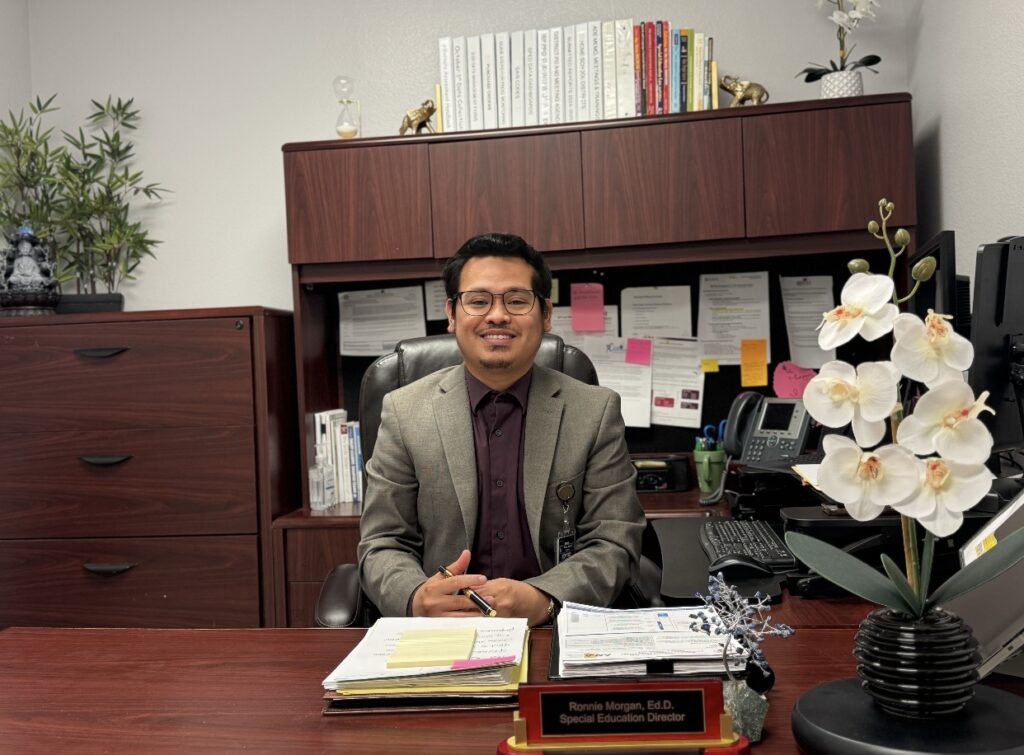
He is quick to acknowledge that the version of himself people see today is not the whole story. “What many people see now is just the result,” he shares with TGFM. “But behind it is a very colorful journey filled with challenges, failures, and small victories that shaped who I am today.”
A plan that was always in motion
Morgan did not stumble into life abroad. He chose it — deliberately, early, and without much hesitation when the moment finally arrived. Long before he packed his bags, working overseas was already part of the plan he had drawn up for himself fresh out of college.
“Ever since I graduated from college, it has always been part of my plan to work abroad,” he says. “I’ve always had that strong desire to explore and experience life beyond my home country — not just for travel, but to really understand different cultures, educational systems, and environments.”
That curiosity was professional as much as it was personal. He wanted to see other schools operate, to understand how they served diverse learners, and to bring those lessons home with him someday. But there was a more grounded motivation running beneath the idealism: his family. Working abroad, he understood, was one of the clearest paths to building a better life for the people he loved.
“When the opportunity to work abroad finally came, I didn’t think twice,” he says. “I grabbed it without hesitation.”
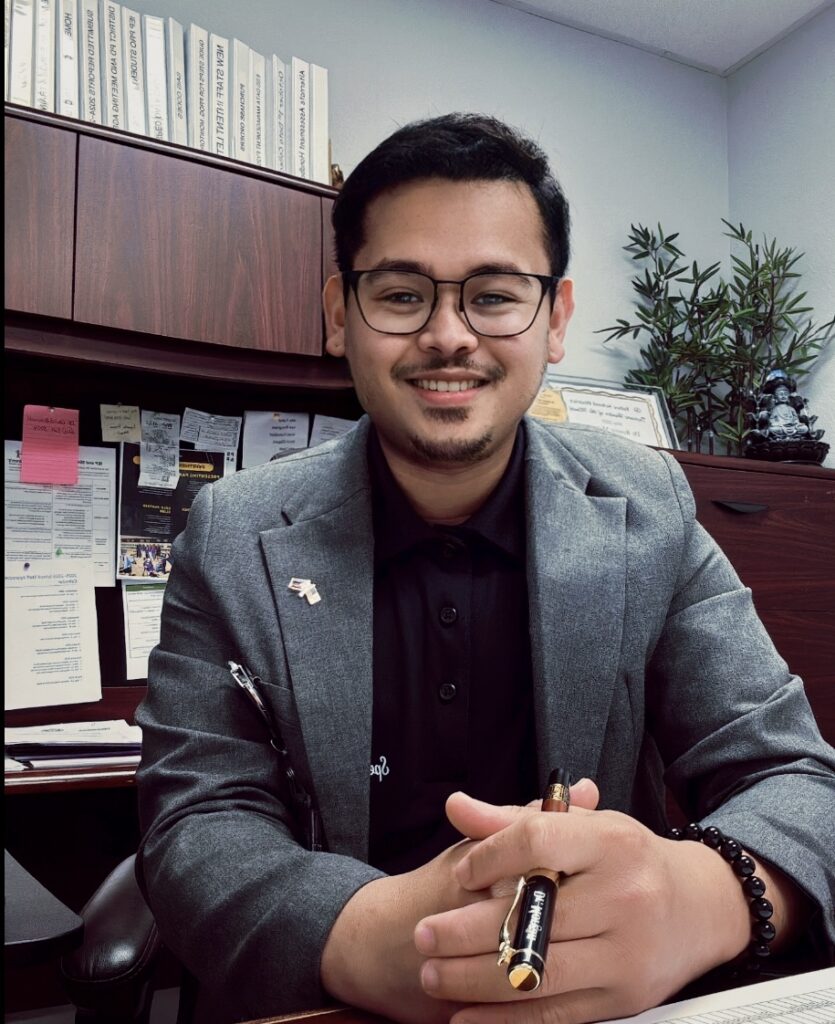
He arrived in California in 2018 as a Special Education Specialist — his first job overseas and his entry point into a system very different from the one he had known in the Philippines, where he had taught Music, Arts, and Physical Education and worked as a school program coordinator, organizing community events and conducting training seminars for out-of-school youth. It was grounding work that sharpened his sense of service, even if the classroom subjects were far from where his career would eventually land.
A year after California, he moved to Arizona and joined Maricopa Unified School District as a Special Education Resource Math Teacher. Three years in that role deepened his fluency in the needs of students with diverse learning profiles and confirmed something he had been quietly building toward for years. Then, in a decision that required real sacrifice, he stepped away from his position entirely to complete his Doctoral degree in Education. The gap on the résumé was intentional. The payoff was not guaranteed.
Learning to find your rhythm
Nobody adjusts easily. Morgan is honest about that.
His first year teaching abroad was difficult in ways he had not fully anticipated. The classroom management expectations were different. The students’ behavior patterns were different. The culture of the school itself was different. And he found himself in the uncomfortable space between the educator he had trained to be and the educator this new environment was demanding he become.

“There were moments when I felt overwhelmed and questioned if I was doing things the right way,” he recalls. What pulled him through was both internal and external: colleagues and administrators who offered guidance without judgment, and a mindset he forced himself to hold onto. “I had to keep reminding myself of one important thing — I chose this path. I chose this career, and I chose to work abroad. So instead of resisting the challenges, I needed to embrace them, learn from them, and adjust.”
That recalibration took time, but it took hold. He became more flexible, more patient, and more willing to be a student himself before he could be an effective teacher. The struggles, he says now, were some of the most formative experiences of his career. They are also why he has so little patience for the idea that difficulty should stop anyone.
In 2024, he stepped into his current role as Special Education Director at Toltec School District. The position carries significant weight. He oversees and supervises all special education programs across the district, leads ongoing training for staff, maintains communication with parents, and ensures the district remains fully compliant with state regulations and the Individuals with Disabilities Education Act — a federal law that guarantees students with disabilities the right to a free and appropriate public education.
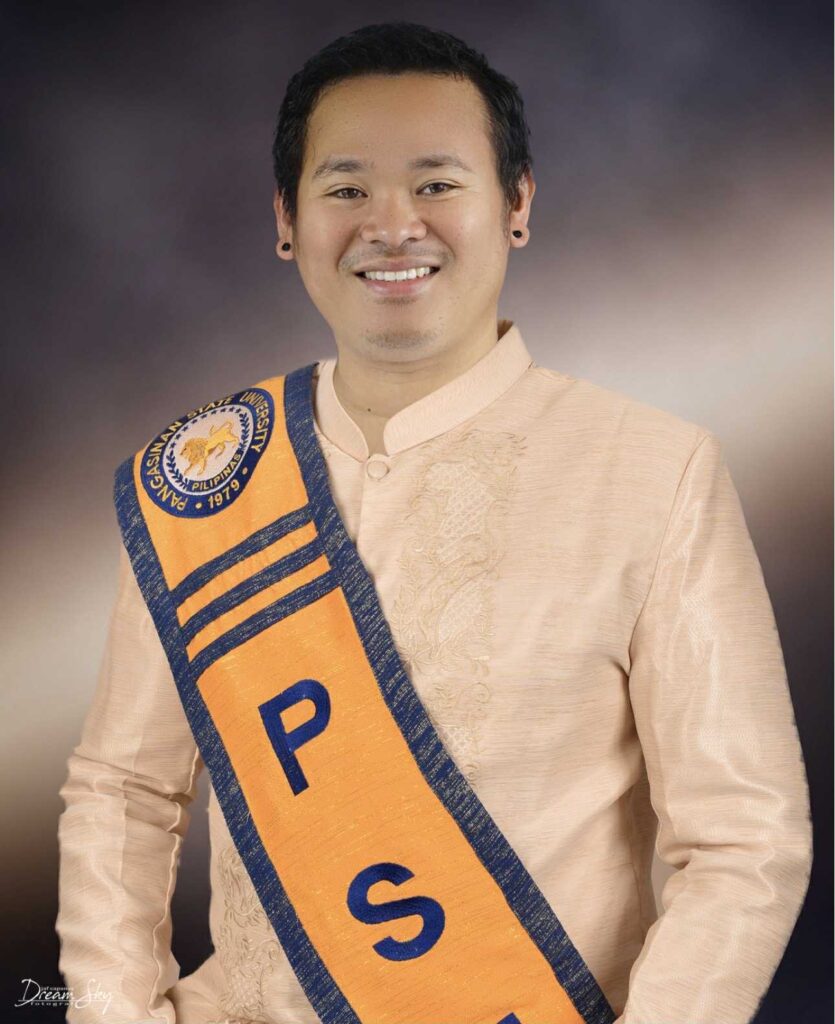
“Every day is a learning experience,” he says, “and I continue to grow both professionally and personally in this field.”
The part of the story people don’t ask about
There is a detail Morgan shares not for sympathy, but because he believes it matters — because he knows what it is to carry something privately while building something publicly.
He grew up without his parents. And for all 35 years of his life, he has never met his mother.
“I am still hoping and searching,” he says, “holding on to the belief that one day, our paths will cross.”
That absence shaped him in ways that schooling could not. It made him self-reliant before he had the vocabulary for it. It made him understand, from the inside, what it means to build a future without a floor to stand on. The years of working as a house helper, the years of being a working student, the doctoral degree completed while already holding down a demanding career — none of it happened in a straight line, and none of it was handed to him.
Now a permanent resident of the United States, he holds that history with both hands. He is a member of Lions Clubs International and the Philippine-American Chamber of Commerce, and he stays actively connected to the Filipino community beyond his professional role. Looking further ahead, he is eyeing a new field entirely: immigration law. He wants to understand the system well enough to help other Filipinos navigate it — to be an advocate, he says, for people trying to find stability far from home.
And if the time comes that he returns to the Philippines, he already knows what he wants to do with everything he has learned. He wants to mentor educators who are where he once was — standing at the edge of a big decision, not quite sure the jump is worth it.
His advice is simple and without flourish: “Always give your best in everything that you do. No matter how big or small the task is, always show up with dedication, integrity, and consistency.” And when the hard moments come — because they will — find the right people. “Build and keep a strong support system,” he says. “Surround yourself with people who inspire you to grow.”
He is proof, at 35, of what that combination can produce. Not comfort. Not luck. Just a long road walked with enough stubbornness to see what was waiting at the other end.
