



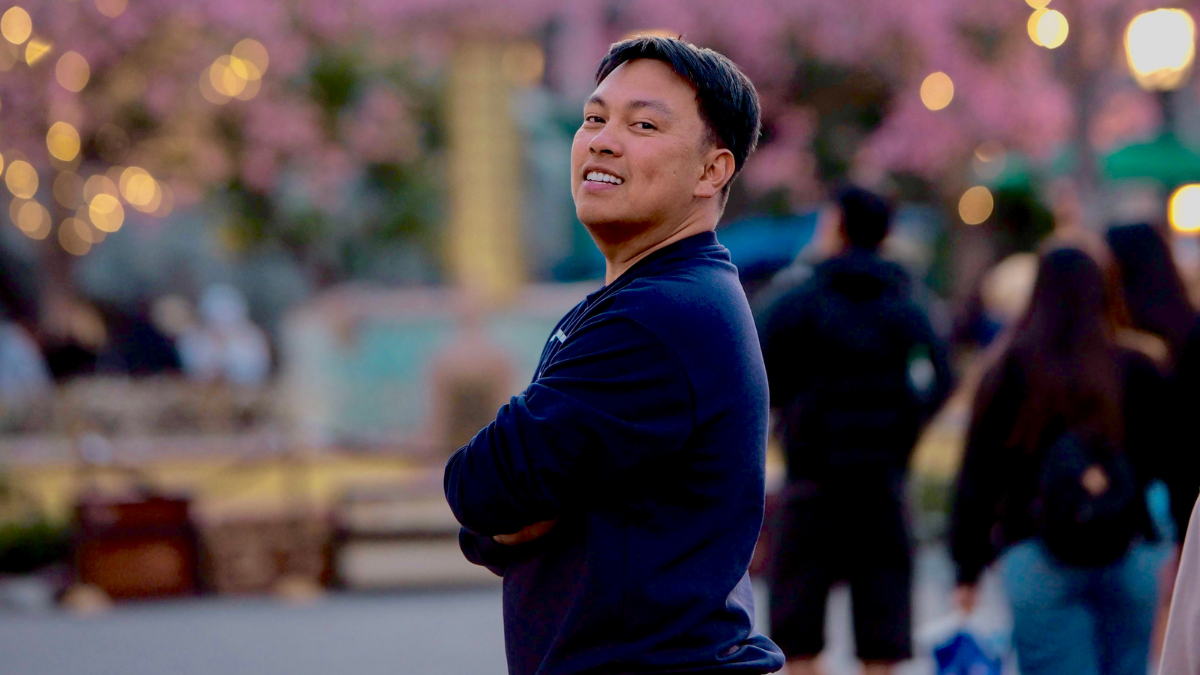

In 2017, a public school teacher in a rural Philippine town handed in his resignation, walked away from a stable government job, and booked a flight to Hanoi to teach English to children who spoke none of his language. Most people would call that reckless. Yvan Llanos called it the first step.

Nearly a decade later, he teaches Elementary Physical Education in the Jefferson Elementary School District in Daly City, California — the third country in a career built on the willingness to start over. The road there ran through three classrooms on two continents, several reinventions, and more than a few nights of doubt.
The decision that started everything
The job he left behind wasn’t glamorous, but it was his. Teaching in a rural community where resources were thin and resourcefulness was mandatory, Yvan learned early what the work demanded. That environment, he says, taught him “resilience, resourcefulness, and compassion, especially when working with students who had limited access to educational resources.”
Then he gave it up. The move to Hanoi meant a fresh start in a country where he knew almost no one — a gamble that only made sense when weighed against what waited back home.
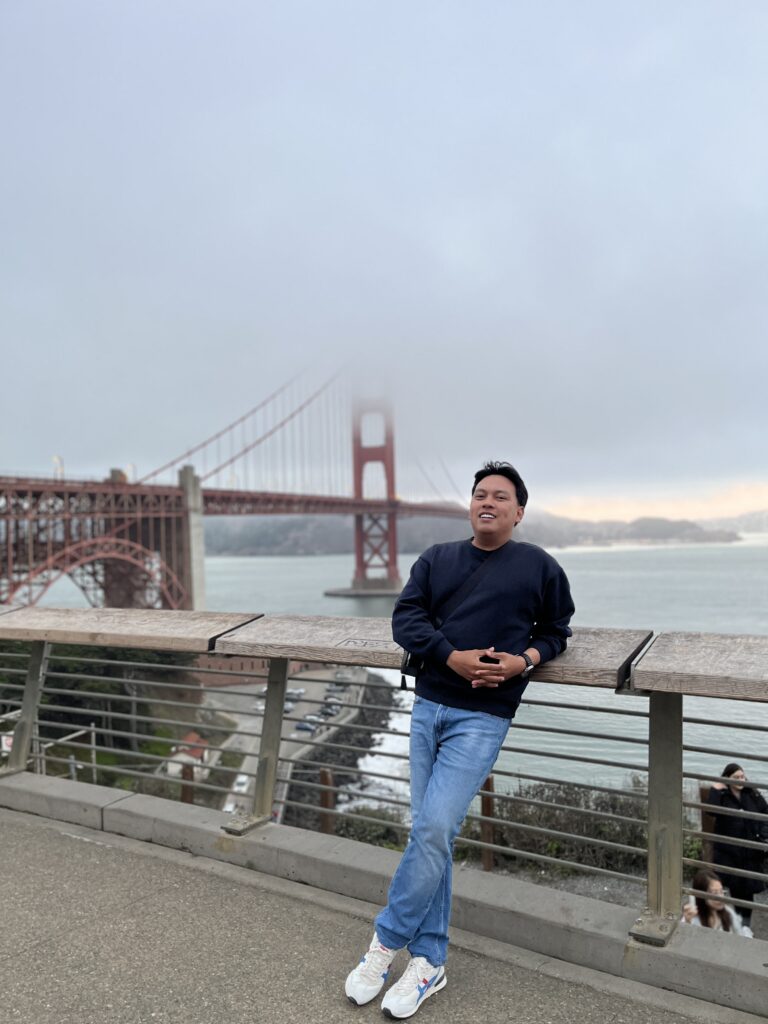
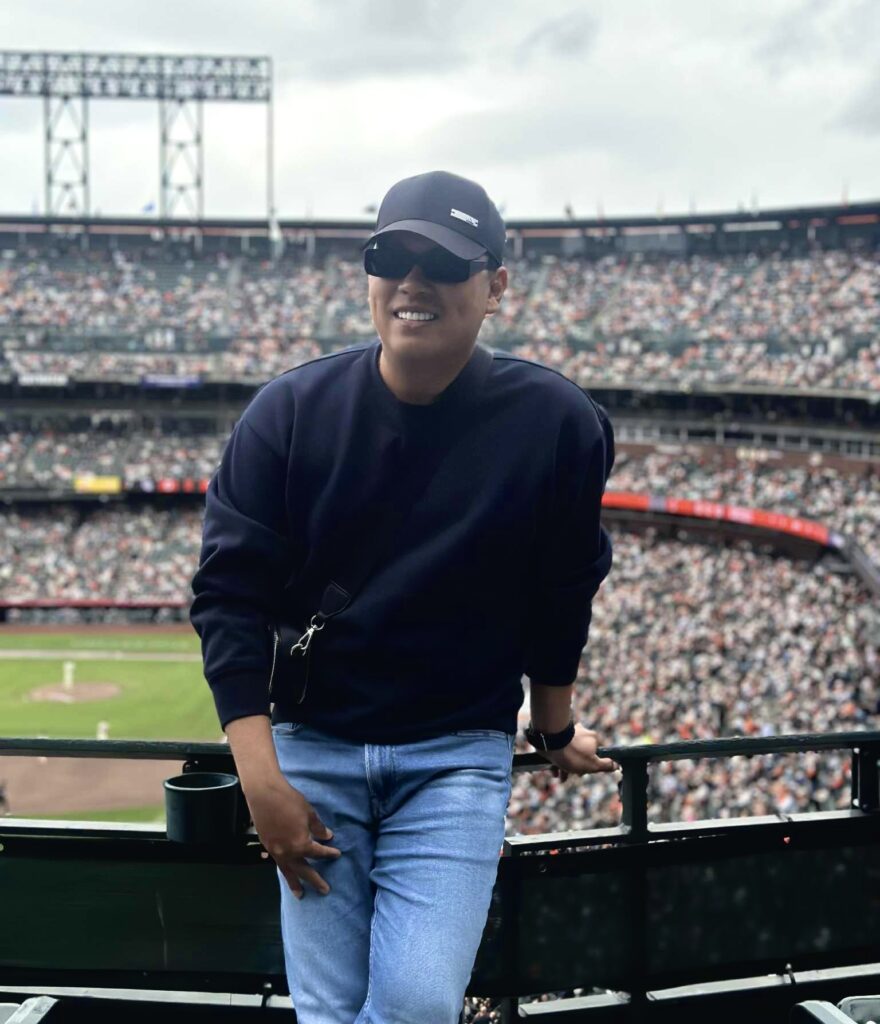
The motivation wasn’t restlessness. As the breadwinner, he carried the weight of his siblings’ education on his shoulders. “Like many Overseas Filipino Workers, I sought better opportunities abroad—not only to advance my career but also to provide a better future for my family,” he shares with TGFM. The former public school teacher understood the cost from the start. Every year overseas meant birthdays missed, holidays spent watching family gatherings through a phone screen, milestones observed from thousands of miles away.
He did it anyway. “Every challenge has been worthwhile because I know that my efforts have helped improve my family’s future,” he says. “Seeing my siblings achieve their own dreams has been one of my greatest rewards.”
Learning to teach all over again
Vietnam changed him. Teaching English to young learners in a multicultural environment stretched his skills and widened his sense of what a classroom could be. He spent several years there, long enough to grow comfortable — which was, in a way, the problem. Comfort had never been the point.
When the chance came to teach in the United States, he took it. Today he works under a California Single Subject Teaching Credential in Physical Education, and his idea of the job stretches well past sports and fitness. “My role goes beyond teaching sports and physical fitness—I help students build confidence, teamwork, discipline, resilience, and healthy habits that they can carry throughout their lives,” he says. What satisfies him most is smaller and harder to measure: watching a child discover the joy of movement, learn a new skill, or simply stand a little taller than they did the week before.

The students who changed his direction
Somewhere in the daily work of a PE teacher, Yvan noticed the children who didn’t fit the standard lesson plan — students with disabilities who needed a different door into the same room. Instead of teaching around them, he started asking how to teach for them. “Working with these students inspired me to learn more about how I could better support them and create meaningful opportunities for them to participate alongside their peers,” he recalls.
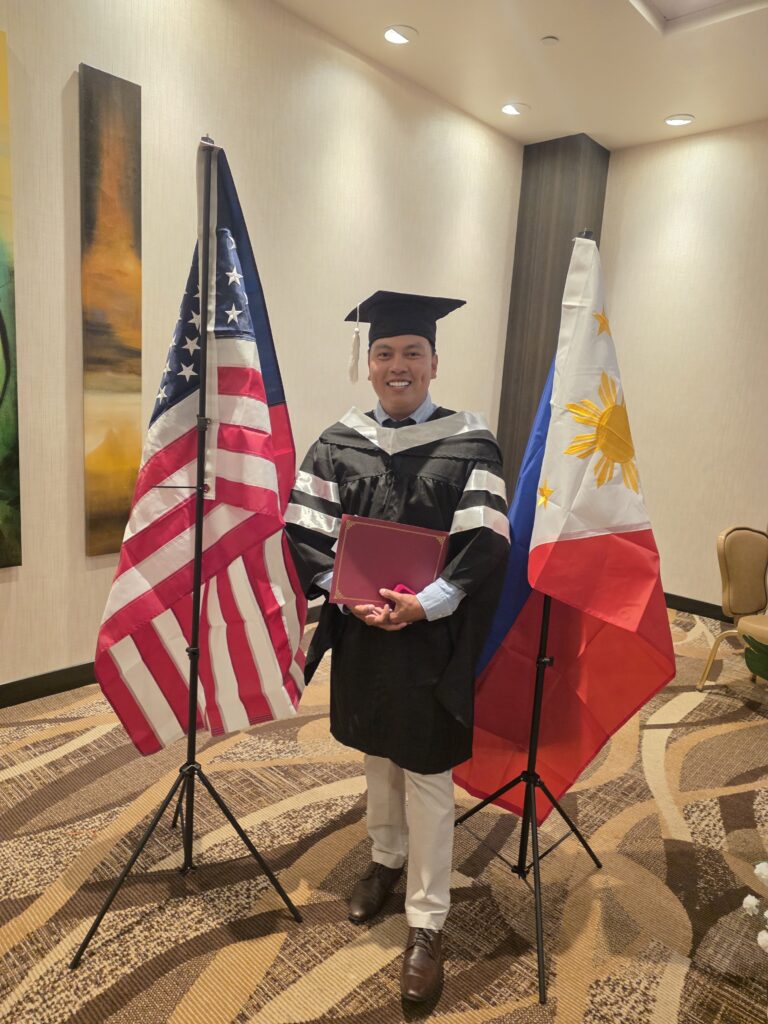
That question reshaped his career. It pushed him to enroll in a Master of Arts in Special Education, which he pursued on weekends while teaching full-time during the week. He graduated this year. “Balancing graduate studies on weekends while teaching full-time during the week was challenging, but it was one of the best decisions I have ever made,” he says.
The commitment shows up outside the classroom, too. For the past three years, he has helped organize his school’s annual Kids Heart Challenge in partnership with the American Heart Association, rallying students and families around healthy habits and compassion for children affected by heart disease. He has also worked alongside Adapted Physical Education teachers, Special Education staff, and paraprofessionals to run Special Olympics events for students with disabilities — days built so every child gets to compete, celebrate, and feel the plain joy of sport. Watching their confidence grow, he says, is a reminder of “why inclusive education is so important.”
What still lies ahead
The teacher who once left everyone behind now talks openly about reunion. He hopes to bring his siblings — who are planning teaching careers of their own — to the U.S., and to welcome his mother for a visit so she can finally see the life he built. “If God permits,” he adds, the phrasing of a man who has learned not to take the next step for granted.
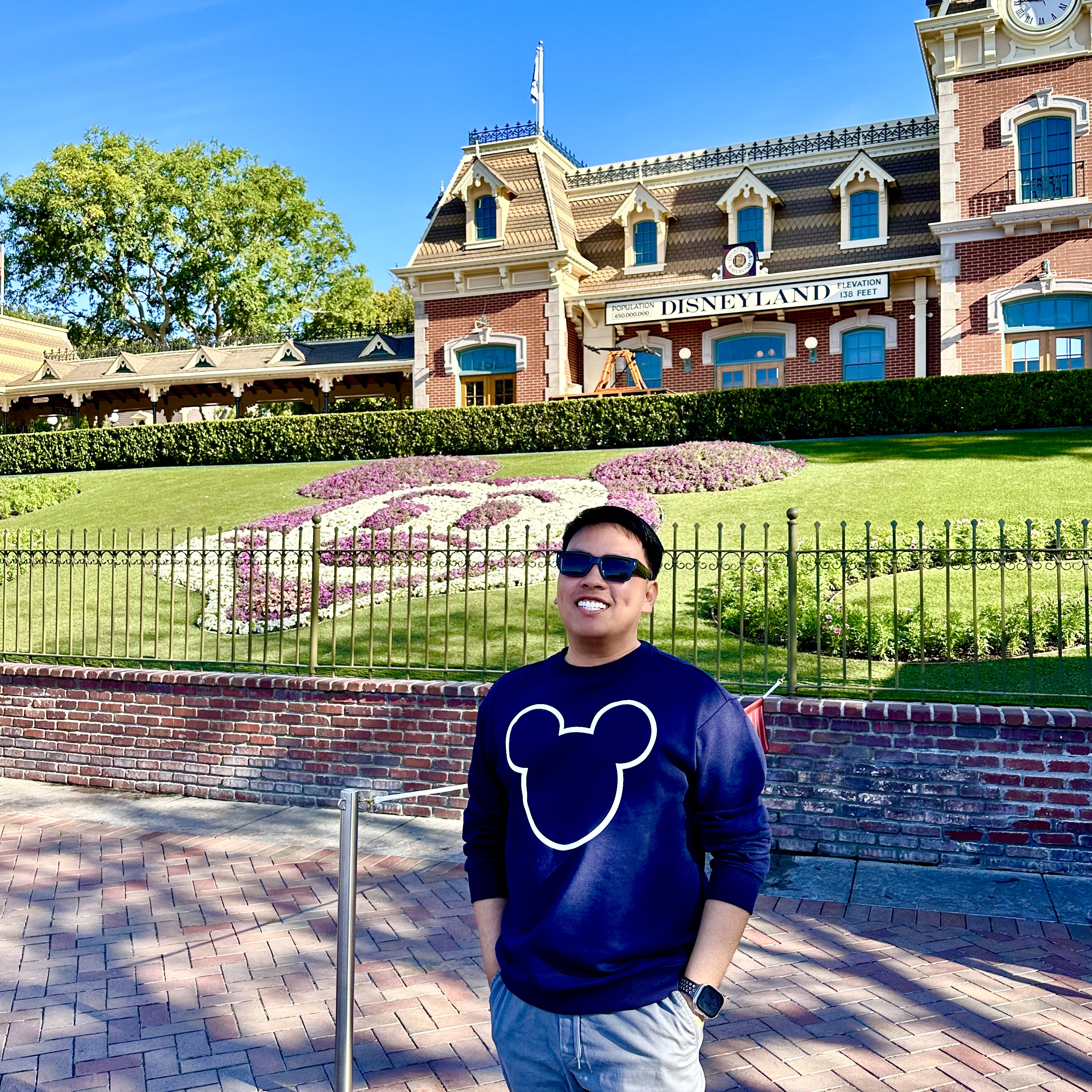
Professionally, his aim is set. He wants to become a Special Education Teacher or specialize in Adapted Physical Education, designing programs that help students with disabilities build confidence, independence, and a lifelong love of movement. “I want to be an educator who helps create schools where inclusion is not just practiced—it is embraced as a core value,” he says.
His advice to fellow OFWs carries the weight of someone who has tested it. Remember why you started. Keep investing in yourself. Be wise with money, careful with friendships, and steady in faith. “Success is not measured only by what we earn,” he says, “but also by the positive impact we leave on the lives of others.”
For a man who has now taught in three countries, the throughline was never the destination. It was the willingness to keep going — and the belief, carried from a rural Philippine classroom to a California gym, that one dedicated teacher can change the course of a child’s life.
