



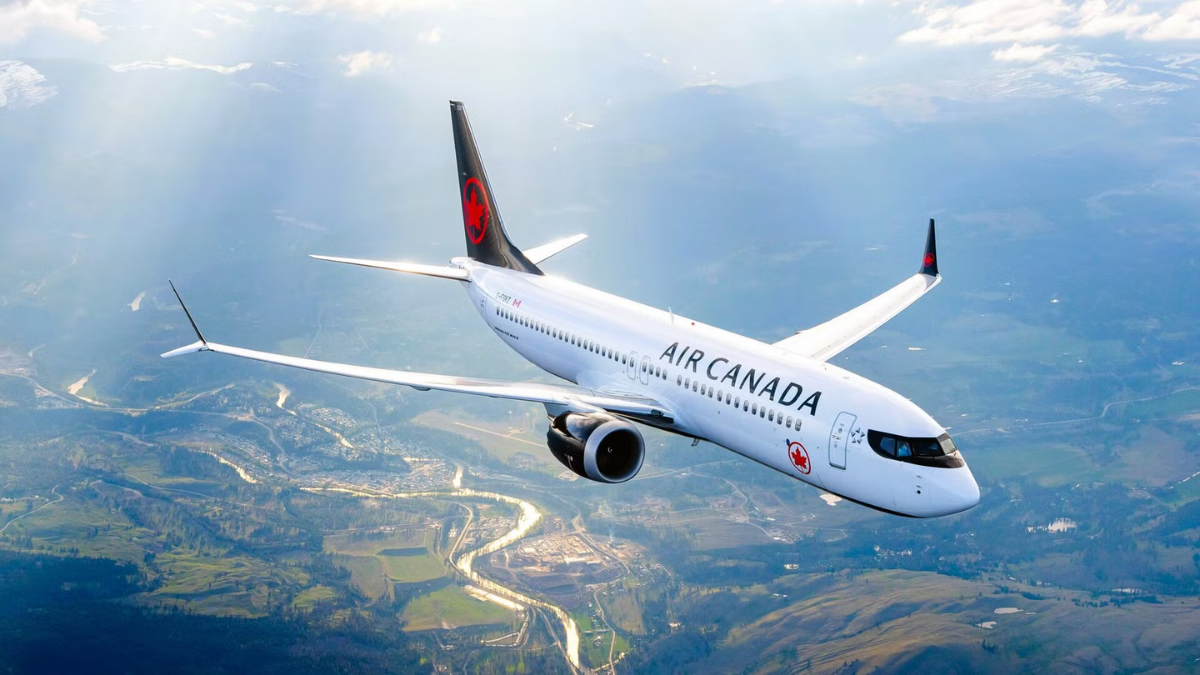

Travelers booked on Air Canada routes into two major Middle East cities will be grounded for months longer, after the carrier confirmed on August 4 that its suspension of Dubai and Tel Aviv service would run until the middle of January 2027. The airline pointed to the persistent US-Iran conflict, which has scrambled flight paths and forced repeated schedule changes across the region.

Air Canada tied the extended halt at Dubai International Airport and in Tel Aviv directly to conditions on the ground in the Middle East. Both routes had already been paused; the latest revision stretches those cancellations deep into the new year.
The Canadian carrier is far from alone. A long list of international airlines has kept Gulf and wider regional service offline, with the recovery timeline for many carriers now landing in late October.
British Airways has held back its return to Dubai, Tel Aviv, Bahrain and Amman until October 25, and has trimmed Doha down to a single daily flight while also cutting Riyadh frequencies. The airline went a step further on one route, ending Jeddah service for good, and blamed lingering uncertainty and closed airspace for the cancellations and temporary pauses.
Lufthansa Group carriers are following a similar calendar. Lufthansa, SWISS and Eurowings will keep Dubai flights suspended through October 24, and Austrian Airlines, Brussels Airlines, Lufthansa, SWISS and Edelweiss have extended halts to a cluster of regional cities over the same period — Abu Dhabi, Amman, Beirut, Dammam, Erbil, Muscat and Tehran among them. Eurowings has managed to restart Beirut and Erbil, though its Abu Dhabi and Amman routes stay dark until October 24.
Singapore Airlines has kept its Dubai flights SQ494 and SQ495 canceled until October 24, while its budget arm Scoot has paused Singapore-Jeddah service until September 12, offering affected passengers a full refund or a seat on another flight.

KLM, meanwhile, has steered clear of Iranian and Iraqi airspace entirely and is skirting several Gulf countries, with flights to, from and through the region either scrapped or reworked. Its Dubai, Dammam and Riyadh routes sit idle until October 24.
Cathay Pacific expects to bring Dubai back on October 25 and Riyadh a day later, and is dropping rebooking, rerouting and refund fees for qualifying reservations. Passengers holding tickets for Dubai, Riyadh or Doha can shift their dates where seats allow, with travel open through March 31, 2027.
Air Astana has grounded its Almaty and Astana routes to Dubai until August 31, citing worsening conditions around the Strait of Hormuz and the broader Gulf. Travelers can take a full refund, rebook at no charge, or move to another of the airline’s international destinations.
Among carriers already partway back, Philippine Airlines has restored Manila-Doha service but is holding Dubai until October 2, saying it will rebuild capacity once conditions permit. ITA Airways has Dubai offline until October 24 and Riyadh until September 15, with rebooking or refunds on offer.
On the US side, United Airlines continues to see Dubai and Tel Aviv service hit by the disruption, allowing passengers affected by cancellations through September 7 to rebook or seek refunds based on their fare rules. American Airlines has revised its travel alerts for parts of the region including Tel Aviv and Doha, letting eligible customers make one fee-free change or cancel for a refund, depending on ticket conditions.
The overall picture points to disruption that will outlast the coming weeks by a wide margin. Anyone holding a reservation into the region should confirm directly with their carrier before heading to the airport, since the mix of rebooking, rerouting and refund options varies from route to route and ticket to ticket.
