



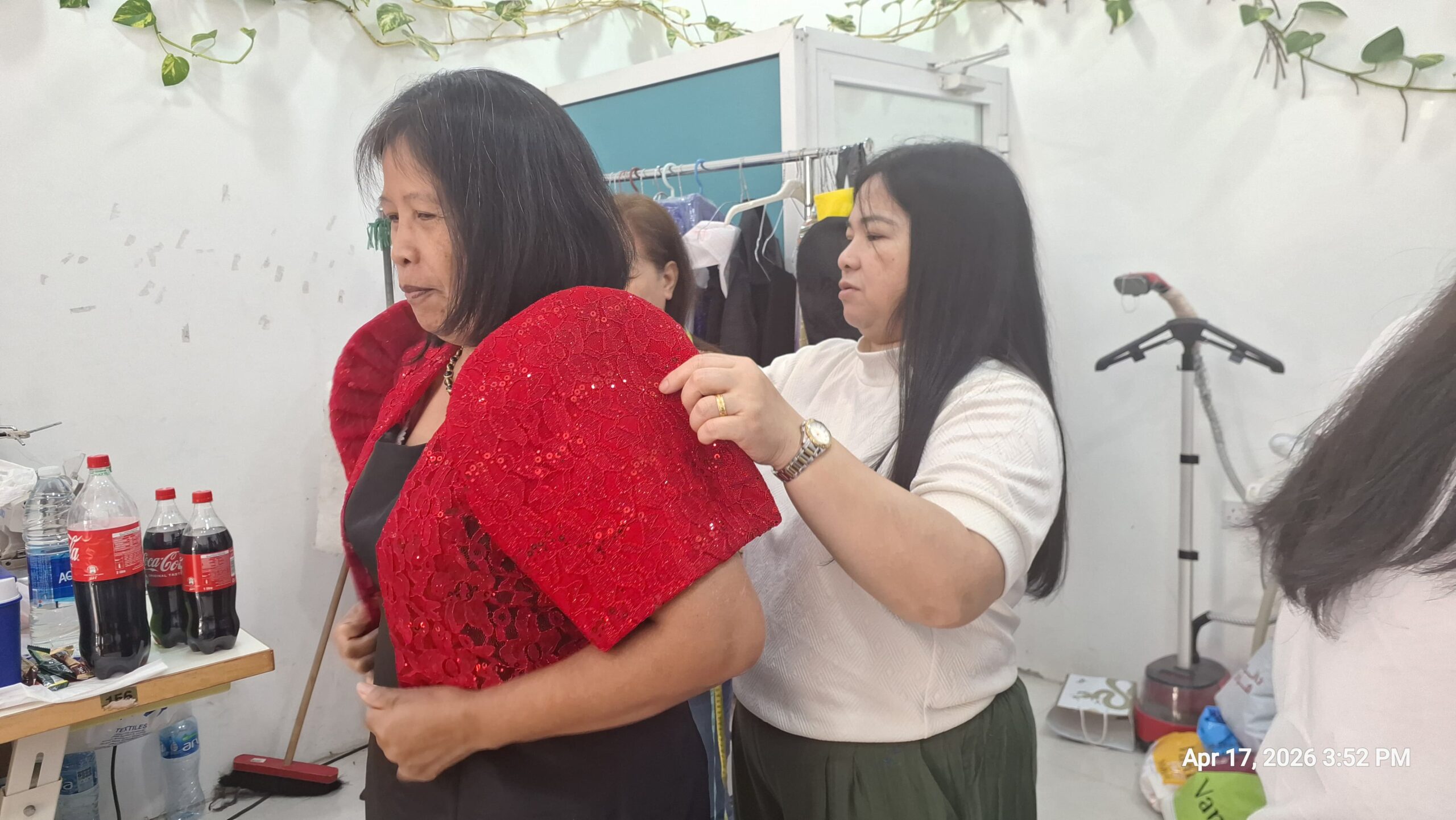

In honor of Filipino heritage and craftsmanship, Habi Pilipina organized a two-Friday training workshop on Filipiniana enhancement on April 10 and April 17, 2026, in Muharraq. This event gathered aspiring designers and cultural advocates who were keen to improve their skills.

The sessions, led by experienced trainer Epifania Flores Fuyoc, focused on one of the most iconic elements of traditional Filipino attire, the Filipiniana, known for its distinctive structure, elegance, and cultural symbolism.
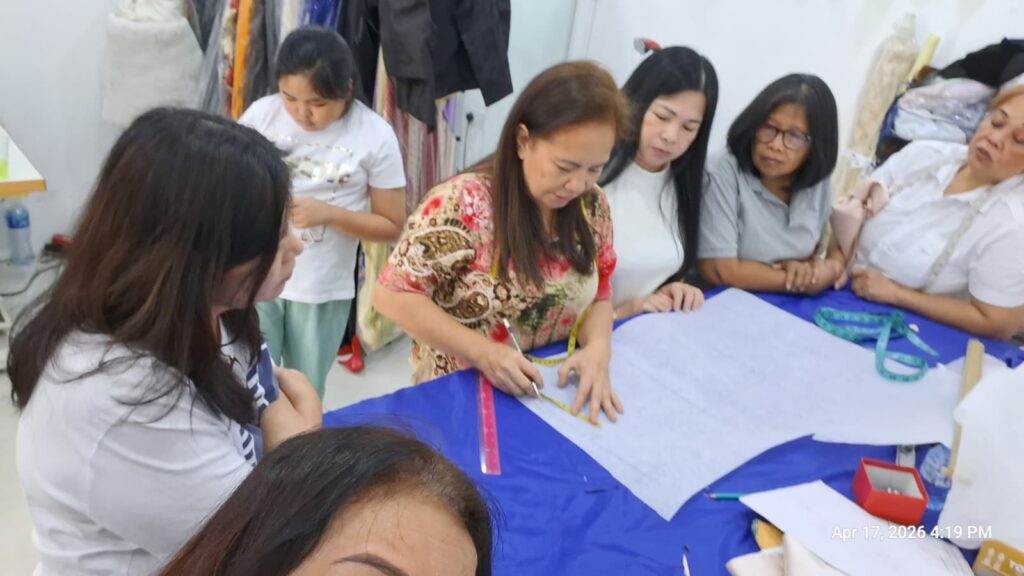
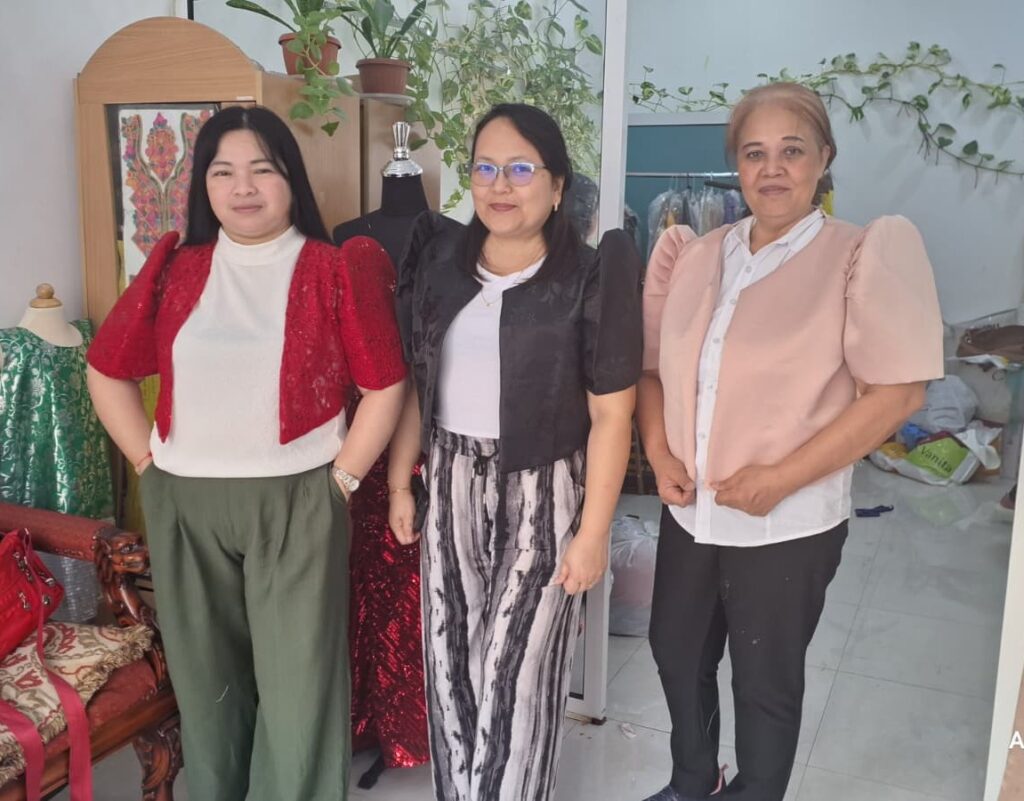
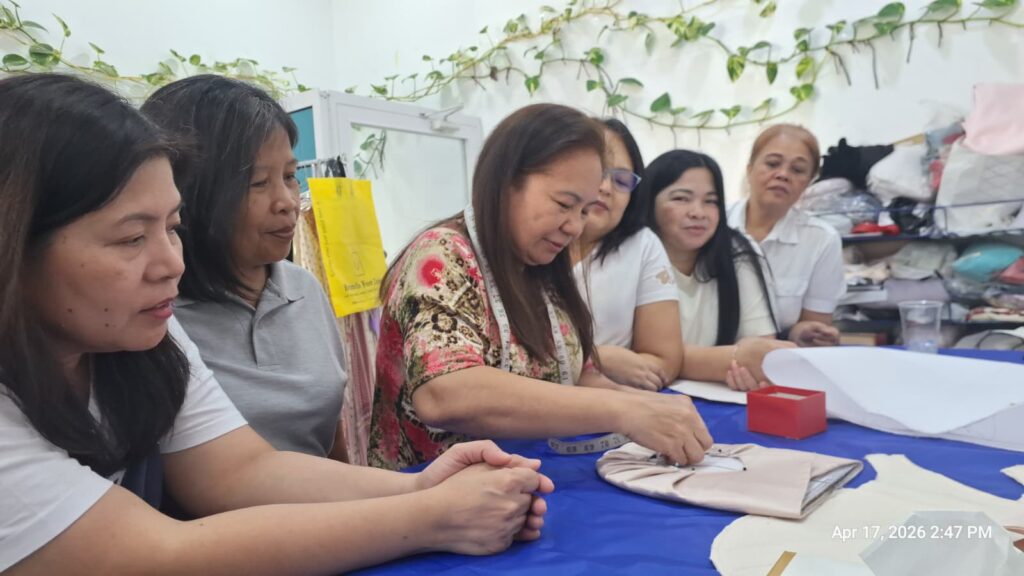
Filipiniana encompasses both traditional and contemporary clothing that embodies the culture, history, and identity of the Philippines. It is frequently donned during formal events, cultural festivities, and national celebrations.
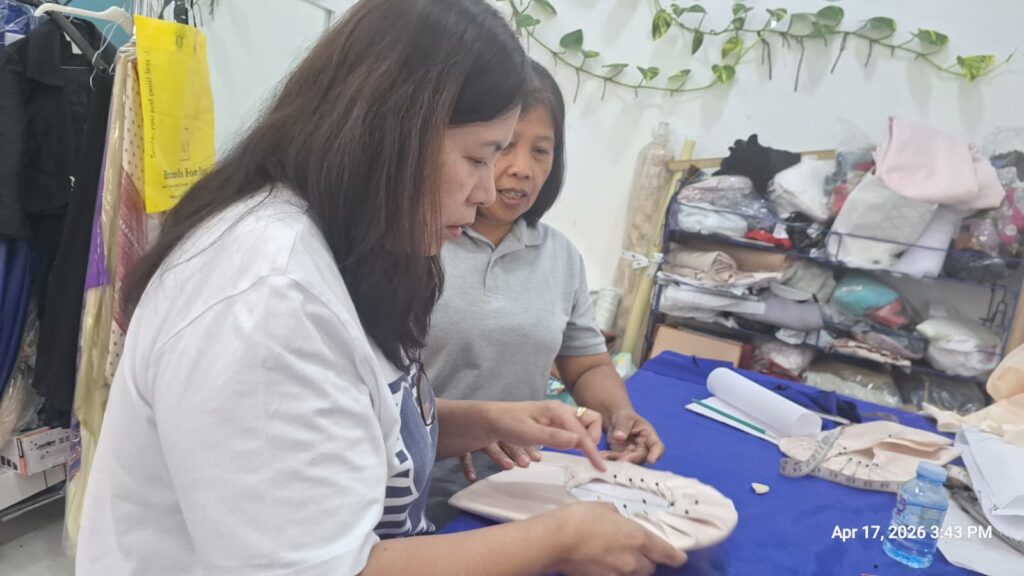
Participants engaged in practical learning over two successive Fridays, enabling them to gradually enhance their skills. Covering areas from pattern-making to fabric selection and stitching methods, the training offered a thorough approach to mastering the craft.
“The Filipiniana transcends mere design, it embodies our identity and artistry as Filipinos,” Flores remarked during the session.
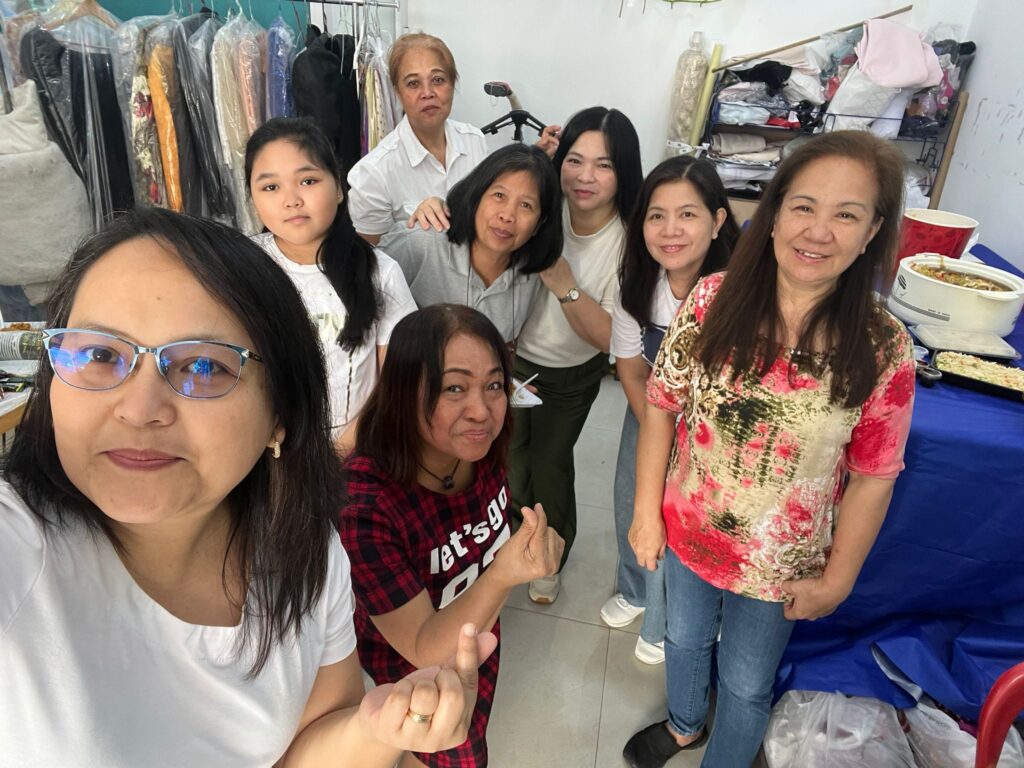
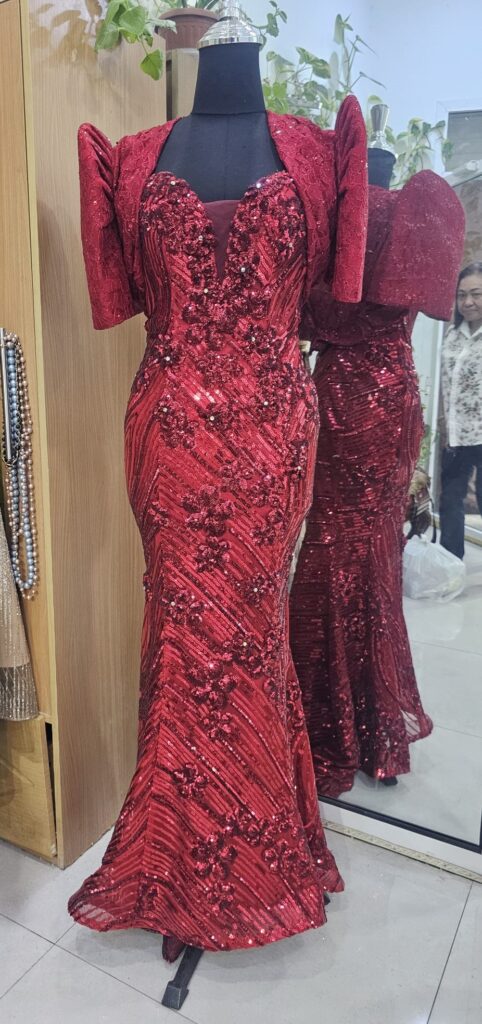
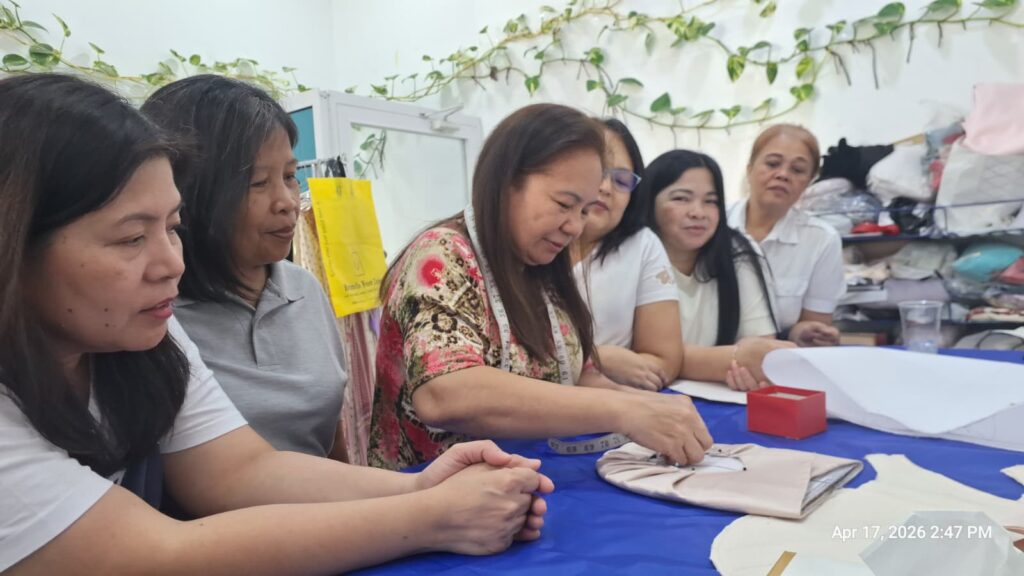
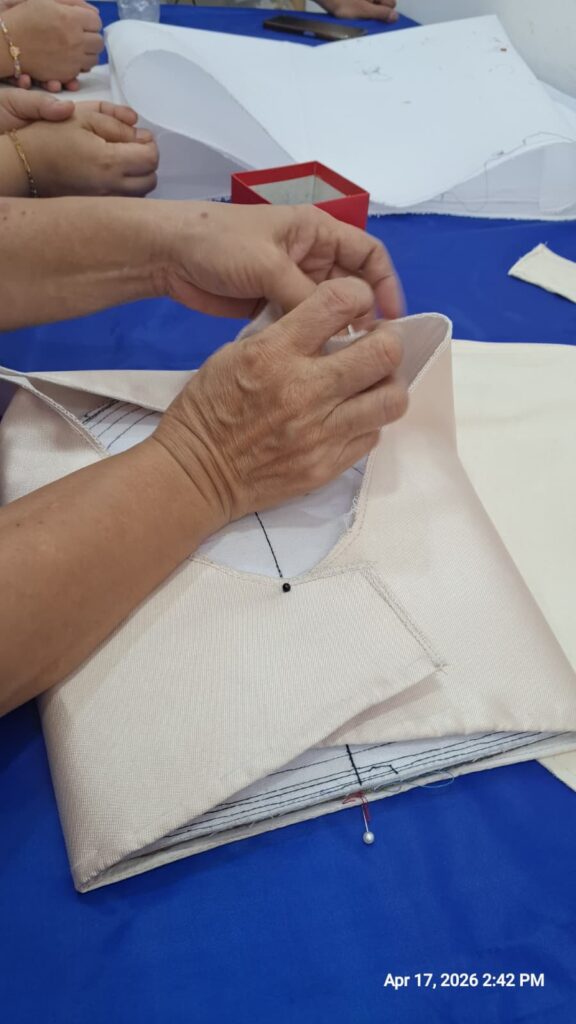
Attendees were systematically guided in achieving the appropriate volume and shape that characterize the traditional silhouette. The extended format of the training also provided participants with the chance to practice, refine, and obtain feedback on their work.
For many, the workshop was not only a technical learning experience but also a meaningful connection to Filipino culture.
“Workshops like this help keep our traditions alive, especially among Filipinos living abroad,” Marife Reyes an OFW and one of the attendees said, who is among the sixth batch of participants in the dressmaking training sponsored by OWWA.
Reyes shared that the training not only strengthened her technical skills in sewing and design but also deepened her appreciation for Filipino culture and heritage. Being part of the program, she said, has given her the confidence to further develop her craft while connecting with fellow Filipina artisans who share the same passion.

The training aimed to equip participants with enhanced skills in designing and constructing traditional Filipiniana dress, a signature element of Filipino attire known for its elegance and cultural significance. Attendees were guided through various techniques, including pattern-making, fabric selection, and proper stitching methods to achieve the distinct structure and volume of the sleeves.
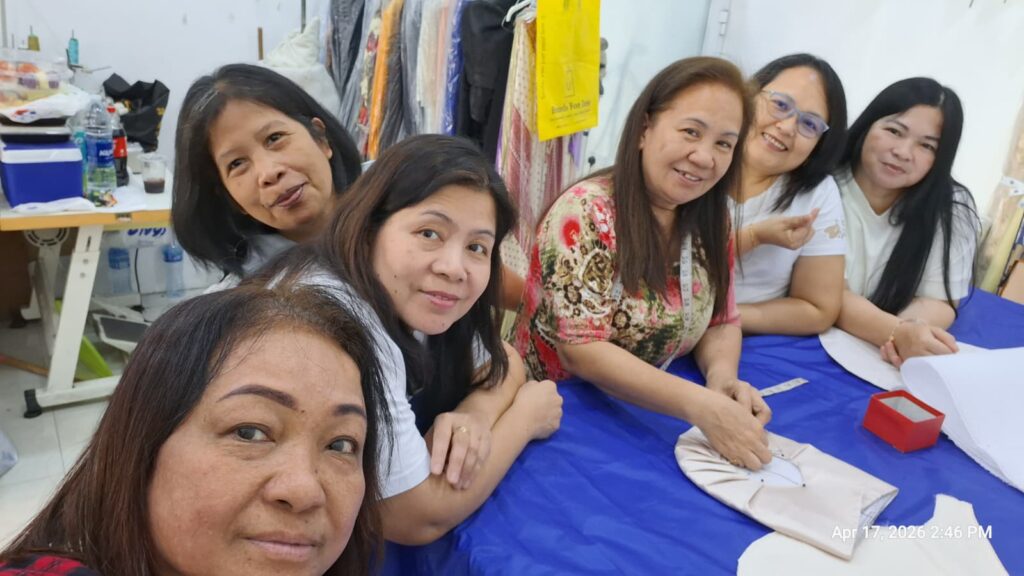
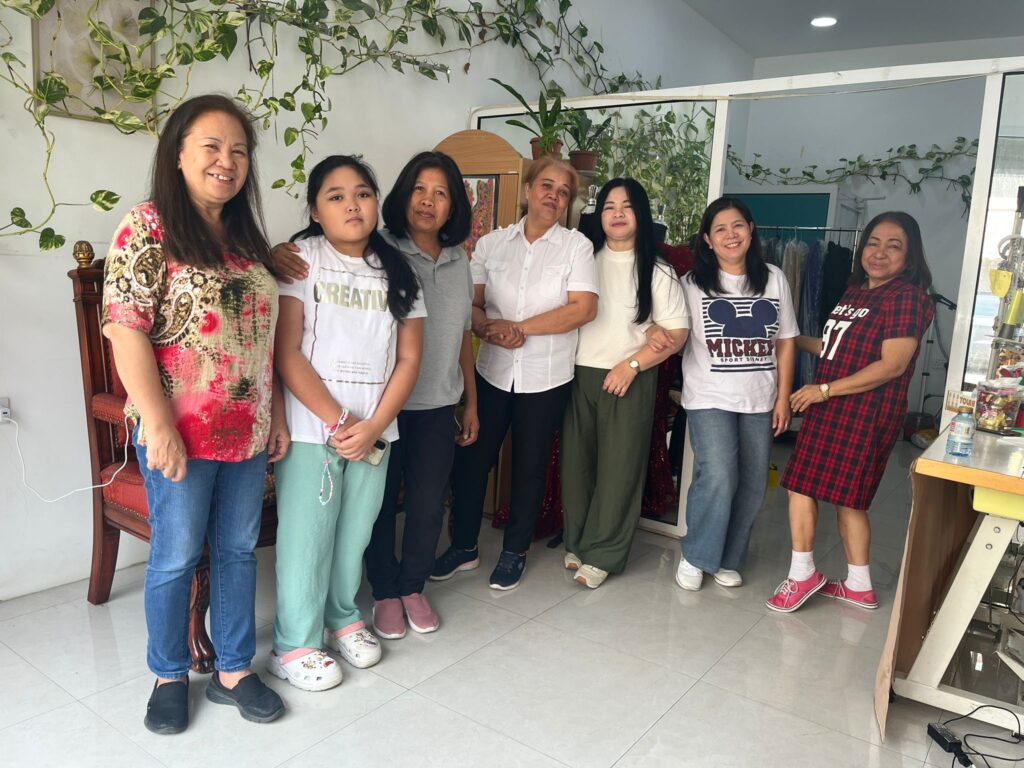
Participants, composed of members of Habi Pilipina and aspiring designers, actively engaged in hands-on exercises that allowed them to apply the techniques demonstrated during the session. The initiative also provided an opportunity to promote Filipino craftsmanship and preserve cultural heritage through fashion.
Organizers highlighted that the activity is part of Habi Pilipina’s ongoing efforts to empower Filipinos abroad by developing their skills and encouraging livelihood opportunities in the field of dressmaking and design.
Based in the Kingdom of Bahrain, Habi Pilipina is a community of skilled women tailors and designers composed of former trainees of the Overseas Workers Welfare Administration (OWWA) Dressmaking Course in collaboration with Pinay Ikaw Na (PIN) program, under the mentorship of Ms. Fuyoc.
Following their completion of a six-Friday training program for Overseas Filipino Workers, members further strengthened their capabilities by participating in Entrepreneurship Training organized by OWWA and Miand Migrant Workers Office (MWO). The program enhanced their knowledge in basic entrepreneurship, marketing, and financial management skills that complement their technical expertise in sewing and garment design and business proposal making.
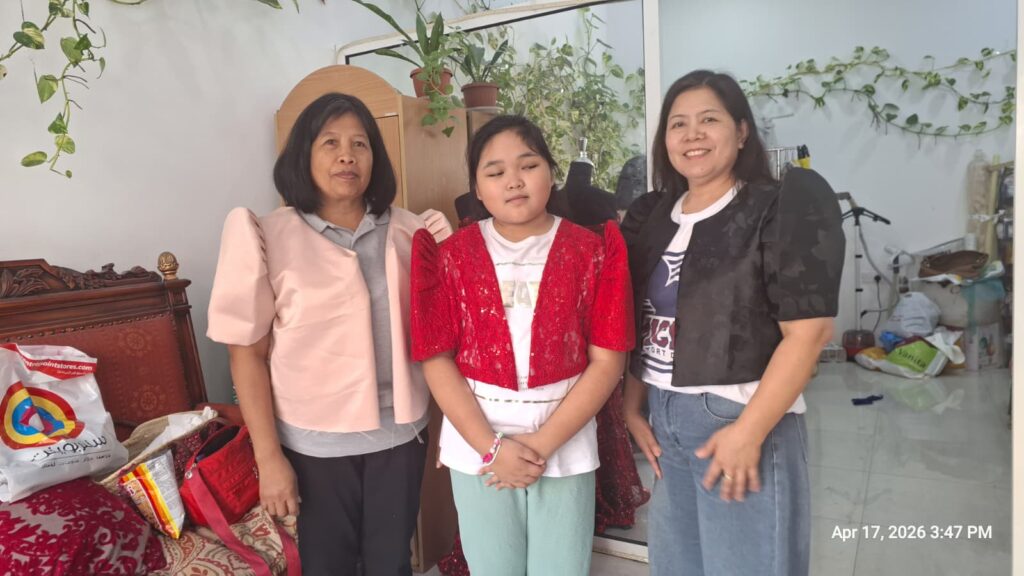
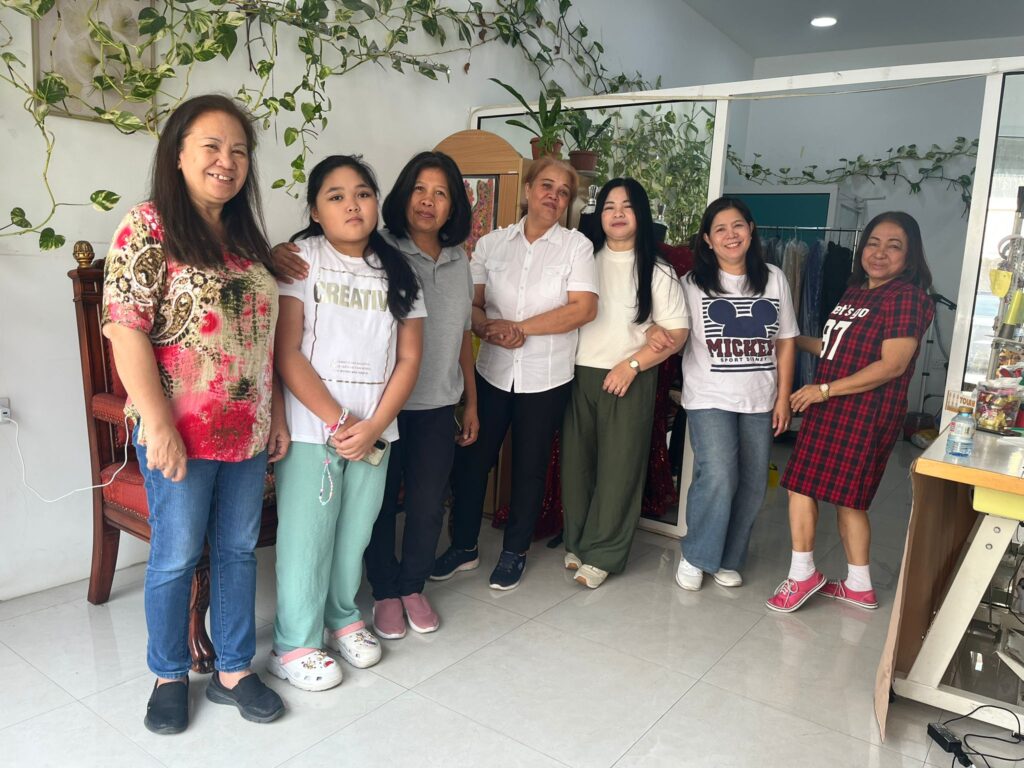
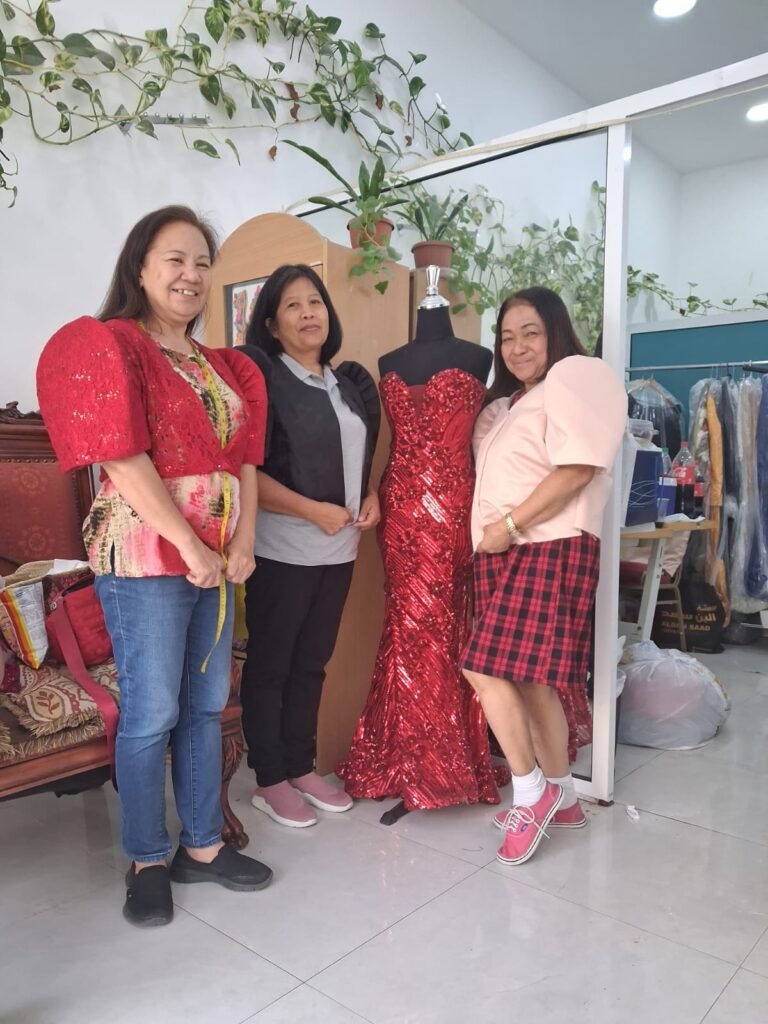
These collective experiences inspired the formation of Habi Pilipina, a group dedicated to sustaining the skills, creativity, and camaraderie developed through OWWA programs. Today, the organization continues to transform these foundations into meaningful livelihood and empowerment initiatives for OFWs in Bahrain.
Looking ahead, the group also aims to prepare its members for successful reintegration into life back in the Philippines equipped not only with livelihood skills, but also with confidence and a renewed sense of purpose.
The name “Habi,” which means “to weave” in Filipino, reflects both the artistry and unity of women working together to build opportunities one stitch at a time. Through sewing and fashion design, Habi Pilipina promotes craftsmanship, self-reliance, and solidarity among its members, while contributing positively to the Filipino community in Bahrain.
