



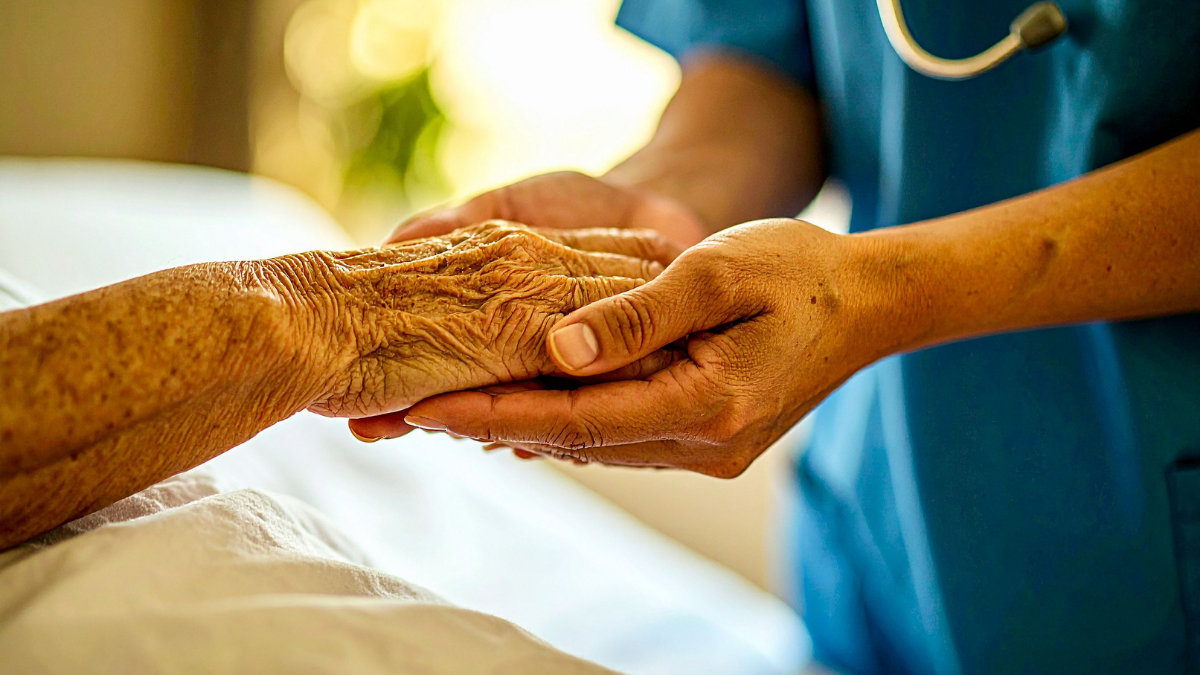

One in five residents in Arizona is already 65 or older — and the people helping them get through each day are increasingly Filipino.

Fleur Magbanua, a nurse entrepreneur running caregiving, home health, and hospice operations in the state, has watched the demand climb without letup. “The need for caregivers continues to increase,” she said in an ABS-CBN News report, describing the workforce as far more than support staff. “Caregivers are really the eyes and ears of nurses. They are often the unseen heroes. They know what is happening with the patient, including the family dynamics.”
The numbers behind that demand are stark. The US Census Bureau recorded roughly 25 million Americans aged 65 and older in 1980 — about 11 percent of the population. By 2020, that figure had more than doubled to 56 million, or 17 percent. When the last of the baby boomers reach retirement age in 2030, the Bureau projects the senior population will exceed 73 million, putting one in five Americans in that age group.
The US Bureau of Labor Statistics ranks home health and personal care aides among the fastest-growing occupations in the country, projecting 22 percent growth between 2022 and 2032 — well above the average for most professions. Research from the Migration Policy Institute places Filipino immigrants among the largest groups of foreign-born healthcare workers in the US, with nursing and caregiving roles accounting for a significant share.
Stephen Tan, administrator of Arizona Professional Hospice Care, said the trend is visible at the facility level. “Filipino caregivers have built a very strong reputation in the United States. Many facilities prefer working with Filipino caregivers because of their dedication and work ethic.”

For Edmond Ramirez, who has spent six years in the field across New York, New Jersey, California, and Arizona, the job is defined as much by its emotional weight as its physical demands. “There’s also the mental and emotional stress of the job, especially when you don’t have anyone to talk to here. Homesickness is real,” he said. Still, he remains clear on what keeps him going. “The most fulfilling part is when you’re able to help people and they feel your genuine care. When they show appreciation and tell you that you’re doing a good job, that means a lot. For me, that’s more than money can buy.”
Royce Sierra, who has lived in a care facility for more than a year and credits Ramirez directly for his daily progress, put it plainly: “Because of him, I’m not just lying in bed. He takes his time and works very hard.”
Maria Ortiz, who began caregiving after her sister opened a group home following her own arrival in the US, described a daily workload that leaves little room for a narrow job description. “You cook, you clean, you do the laundry, you help them get up, shower them, feed them if needed, give medications, call the doctor, report to the nurse, and arrange appointments. Lahat. Ikaw lahat,” she said.
Sharon Baysan, a group homeowner and hospice operator, noted that many Filipino caregivers arrive with strong educational foundations and continue building on them in the field. In Arizona, workers must complete fingerprint clearance, tuberculosis testing, and caregiver certification before they can work in licensed facilities.
Magbanua, who relies on caregiver reports in her own clinical practice, was direct about their standing in the healthcare chain. “They are a big help in our profession and an essential part of the healthcare team.”
