



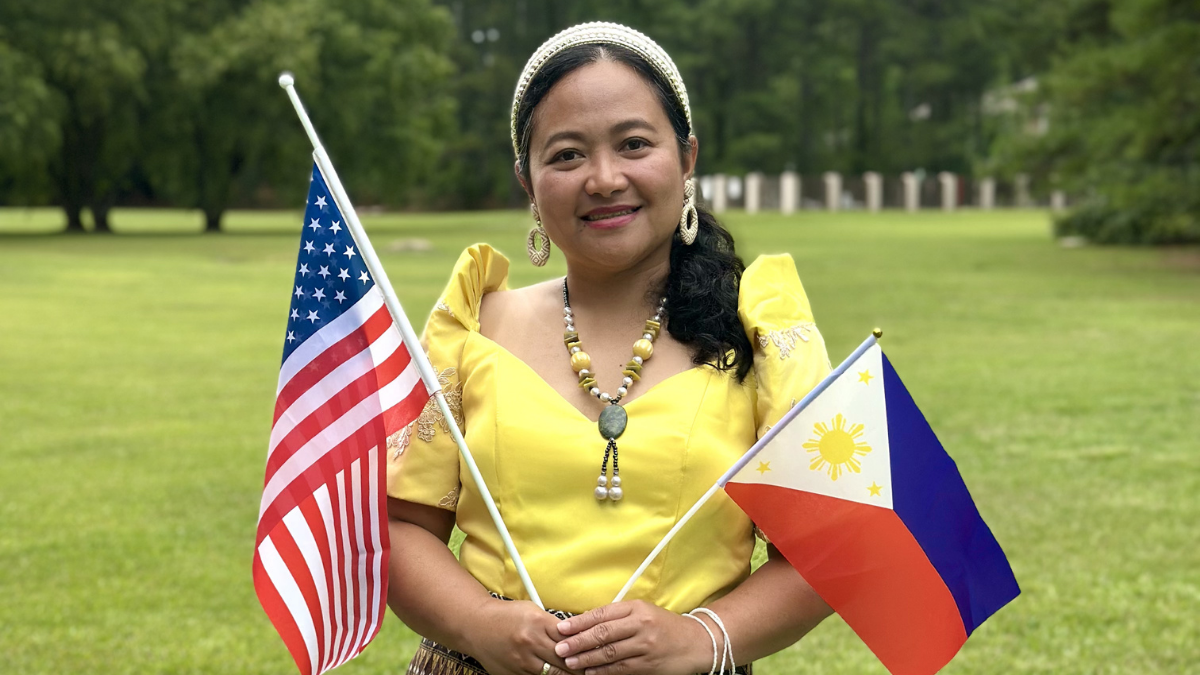

Who would have thought that a “probinsyana” would take her first-ever flight to the very place where the Wright Brothers first left the ground? For Kathlene Mae Llarinas Sabado, North Carolina was not just a destination — it was the start of a long string of firsts. First flight. First job abroad. First time, after nearly sixteen years in the classroom, that she truly doubted whether she belonged in one.

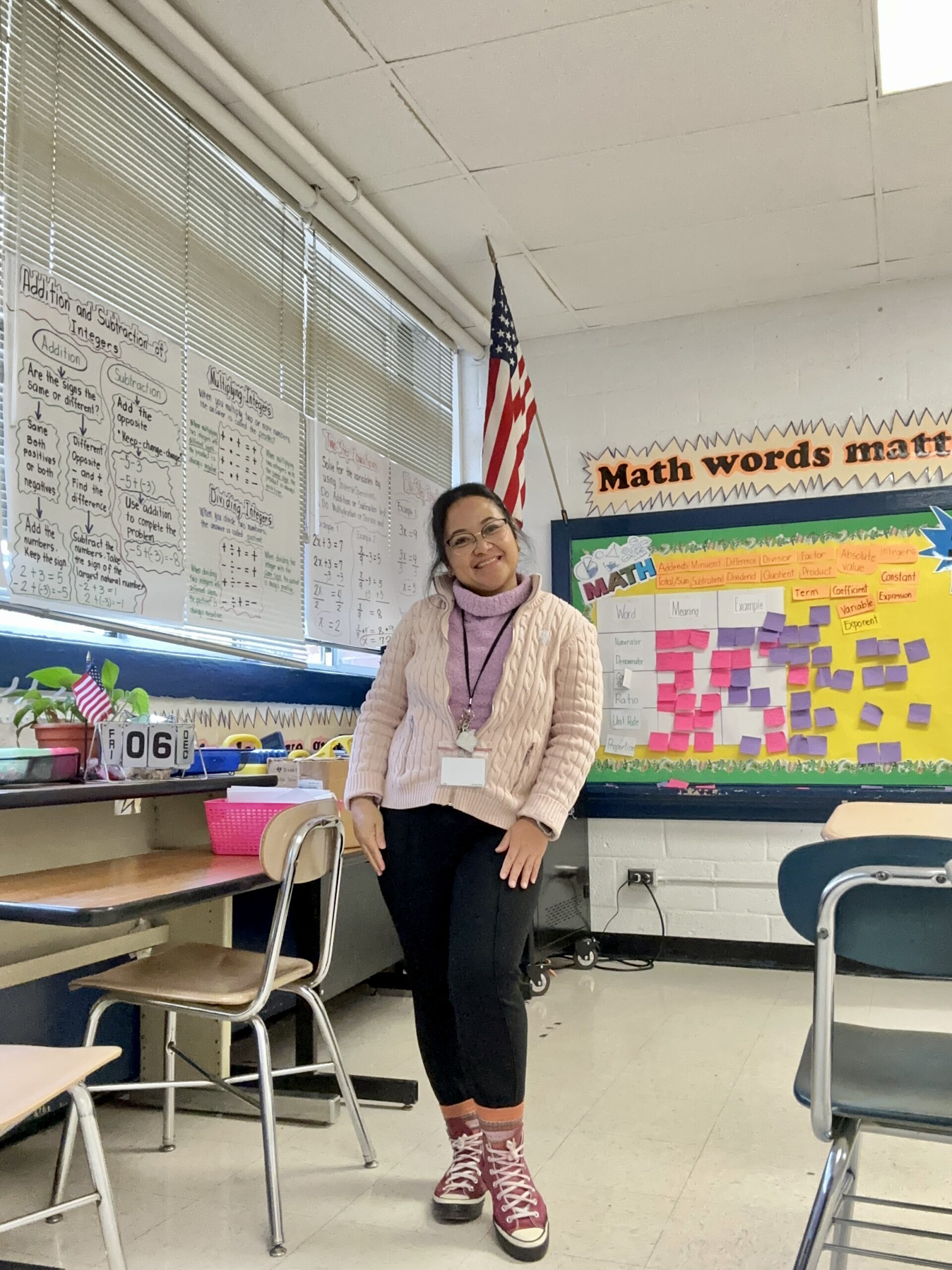
At 41, she teaches mathematics to 6th and 7th graders at Mount Olive Middle School in Wayne County, and she has heard the joke more than once: she is often mistaken for a student herself. “Small but terrible,” as she puts it. But behind the composure she keeps in front of her American middle schoolers is a story about wanting more, being told no, and finding that the answer was somewhere she never thought to look.
The promotion that never came
Kathlene did not leave the Philippines because she was unhappy. She left because she had done everything right and it still wasn’t enough.
For almost sixteen years under the Department of Education, she took on the kind of workload that quietly swallows a career whole — advisories, coaching, coordinatorships, administrative roles. In her final year before flying out, she was serving as a Senior High School assistant principal while still holding a Teacher III plantilla position, a mismatch of responsibility and rank that speaks for itself. She had authored action research funded through the Basic Education Research Fund, findings that spread beyond her own school and across the district. She had secured Memorandums of Agreement with local government units and NGOs, pulling in financial support and student vouchers for Technical-Vocational-Livelihood learners who needed tools, materials and immersion placements.
By every visible measure, she was excelling. What she wanted in return was ordinary: recognition, and a promotion she could bring home to her family. She followed the procedures. She was denied. More than once.
“I felt that I had given it my all, and the people around me supported me, so I couldn’t help but ask, Why?” she shares with TGFM. The question had no satisfying answer, and eventually she stopped demanding one. “It was in that moment of disappointment that I realized perhaps there was another plan for me.”
A year after the pandemic, the offer came — a J-1 cultural exchange visa and a teaching post in the United States. To her, it landed as something larger than the promotion she had been chasing. “I knew I wasn’t just dreaming anymore,” she says. “This time, it was real, a true answered prayer.”
Survival mode in a new world
The prayer, it turned out, came with a steep price of admission.
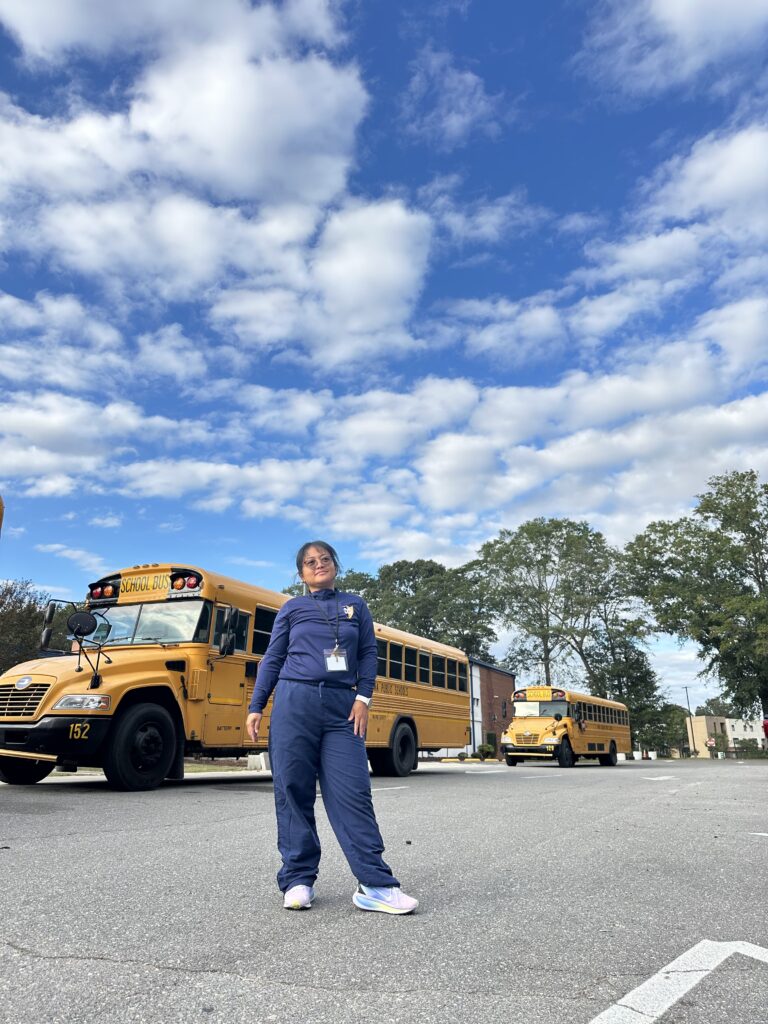
Her first year in the US felt less like a fresh start than a demolition. Everything she knew about teaching had to be unlearned and rebuilt: a new school, a new curriculum, unfamiliar students, colleagues she didn’t yet know how to read. The daily texture of the job — classroom management, handling misbehavior, coaxing along unmotivated students, communicating with American parents — turned each morning into something she compares to walking onto a battlefield.

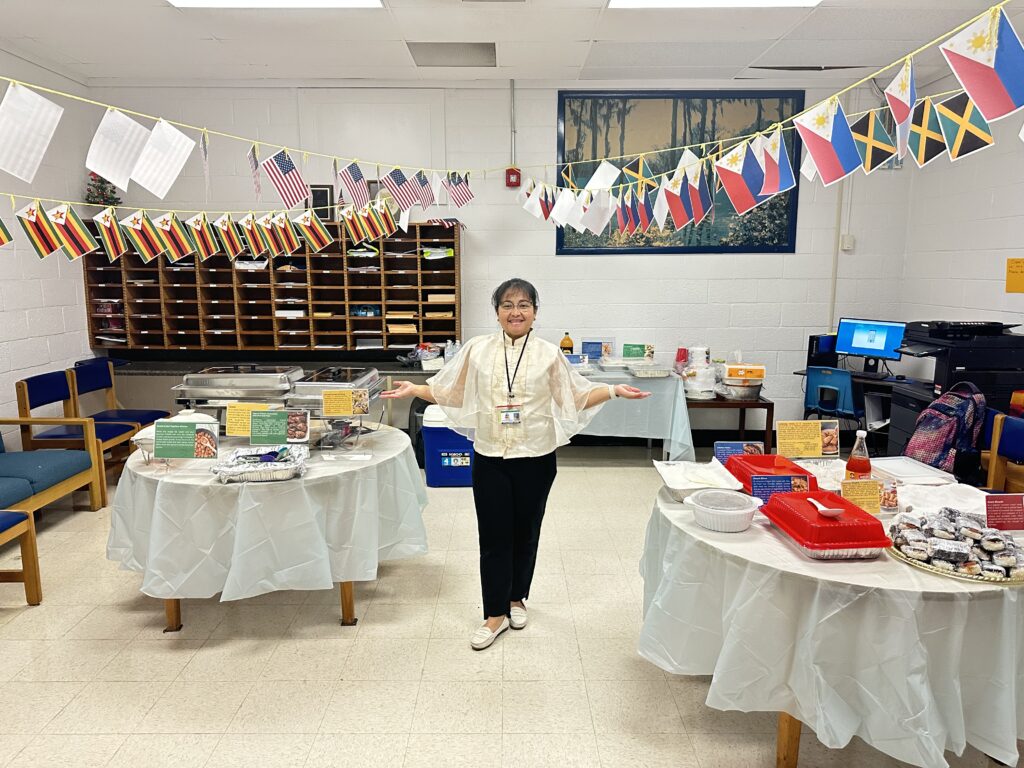
“Everyday felt like a struggle,” she says. “It felt like entering a battleground every single day, and being in survival mode was very real.” The culture shock, she admits, hit hard, and for the first time in a long career she found herself doubting her own capabilities.
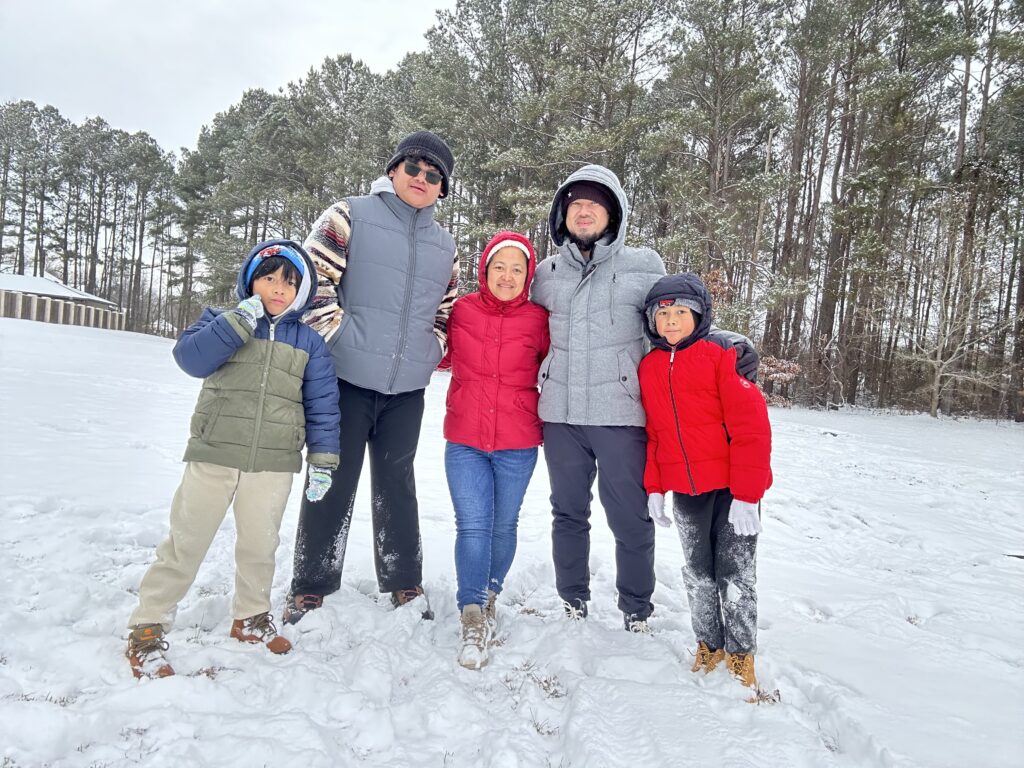
What carried her through was not grit alone but a wide net of people — administrators, mentors, coaches, instructional assistants, district personnel and friends who stayed with her until she found her footing. Then came the turning point that changed everything: the following year, her family joined her. With her husband and three children beside her, the woman who had been merely surviving started to build.
She approached the work the way she teaches math — try, fail, try again. “The struggles in the classroom became lighter when I started accepting the things I couldn’t change and focusing on the things I could improve,” she says. The philosophy has a name in her own words, a phrase her parents drilled into her since childhood: “Try and try until you succeed.”
Proof on the page
The results eventually arrived in a form no promotion board could dispute.
During the 2024–2025 school year, her students exceeded growth expectations on their End-of-Grade test results — enough to place her among the top 25 percent of teachers in the state. It is a striking outcome for someone who, three years earlier, had been in survival mode in a classroom she barely recognized. She did not treat it as a finish line. She recently sat three Praxis tests in her field and passed all of them on the first try.
She tracks her students with daily warm-ups, weekly quizzes and district assessments, and she works the phones with parents, convinced that instruction means little without them. “While it can be overwhelming, partnering with parents is absolutely necessary to deliver meaningful instruction and support,” she says. Her guiding conviction is unglamorous and self-imposed: “You cannot give what you do not have.” Before improving others, she believes, you improve yourself — even at the cost of sleepless nights and, as she cheerfully notes, prominent under-eye bags.
What she wants her students to absorb is bigger than any test. She frames mathematics not as a subject to survive each grade level but as a rehearsal for life — a way of learning to try, fail and try again until a problem gives way. The reward, when it comes, is small and enormous at once. “The most satisfying aspect of my work here is when a student tells me, ‘I love you, Mrs. Sabado, I really missed this classroom,'” she says, “or when a parent says, ‘Thank you for teaching my child; my child loves you!'”
As a J-1 teacher, she also sees herself as a kind of ambassador, proving what a Filipino educator can offer even as a visitor in a foreign land. “It is equally rewarding to show what a Filipino teacher can bring to the table,” she says.
Now entering her fifth and final year in the US, she is already looking homeward — toward reunions with family and the “colorful provincial life” she left behind. She intends to bring her story back with her, to hand it to fellow educators and to students who need proof that the trying is worth it.
Her advice to the next probinsyana who dreams is characteristically plainspoken, and it doubles as her own creed. “Do everything that you can, but do not forget to guard your heart. Choose peace, focus on the goal, work with purpose, and trust the process,” she says, before closing on the line she has clearly earned the right to say: “This is Kathlene. This is my story, and my story will not end here.”
