



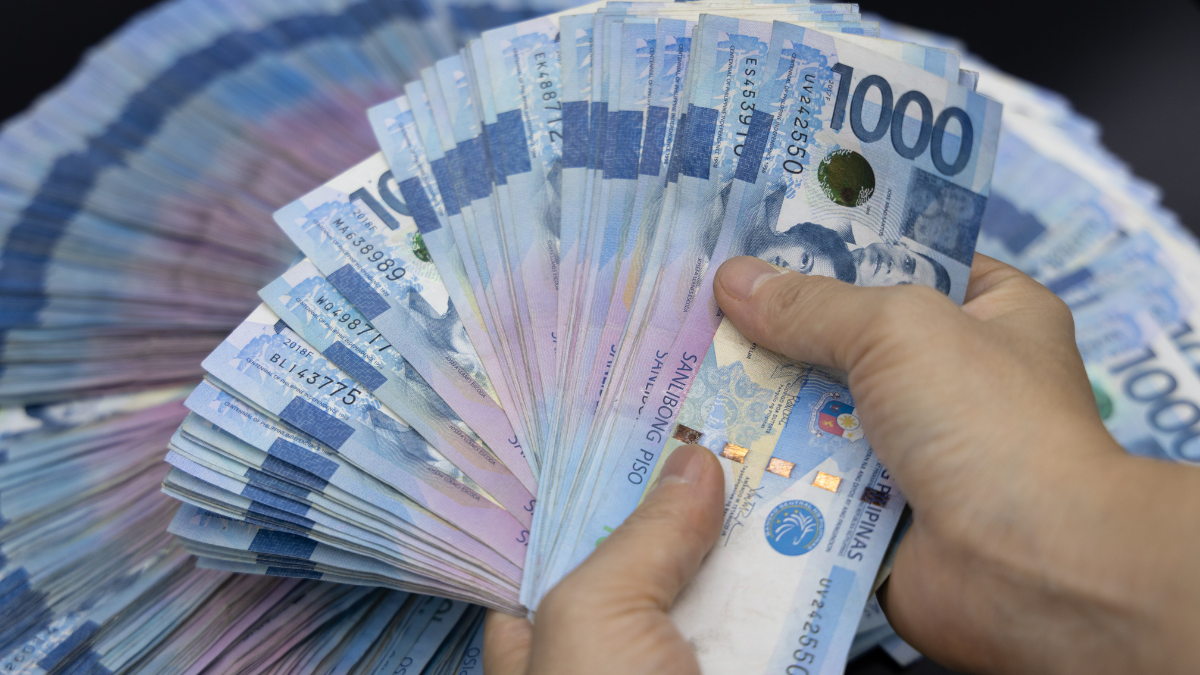

Every Filipino effectively owes P158,171 as the country’s total outstanding obligations climbed to a fresh record of P18.16 trillion at the end of February, according to Bureau of the Treasury (BTr) data released this week.

The figure is based on dividing the debt stock across the country’s estimated 115 million population — a per-capita burden that has risen steadily alongside the government’s accelerating borrowing pace in recent years.
Domestic financing drove most of February’s increase. The government took on an additional P25.74 billion in fresh obligations during the month — a 0.14-percent rise from the P18.13 trillion recorded at end-January — as it continued to lean on peso-denominated instruments rather than foreign borrowing. Domestic debt now stands at P12.48 trillion, accounting for roughly 68.7 percent of the total debt stock.
External obligations, by contrast, eased slightly to P5.68 trillion from P5.81 trillion the previous month, as favorable currency movements reduced the peso value of dollar- and third-currency-denominated loans by a combined P136.43 billion.

The BTr described February’s modest uptick as reflecting “the government’s stable and well-managed debt position amid evolving global financial conditions,” attributing the increase largely to “the continued prioritization of domestic financing to protect the government’s debt position from unfavorable external developments.”
Year-on-year, total outstanding debt is up 9.19 percent from P16.63 trillion in February 2025 — a trajectory that has pushed the debt-to-GDP ratio to 63.2 percent as of end-2025, its highest level in two decades and above the internationally recognized threshold of 60 percent.
The Marcos administration has set a borrowing ceiling of P19.06 trillion for the full year 2026. With February’s figure already at 95 percent of that cap, the government has limited fiscal room before breaching its own annual target.
Economists have flagged ongoing risks to the debt outlook. A record-weak peso — which briefly surpassed 60 to the dollar — stands to inflate the peso equivalent of foreign-currency obligations, while front-loaded spending and a projected budget deficit of P1.65 trillion, or 5.3 percent of GDP, are expected to sustain borrowing pressure through the rest of the year.
