



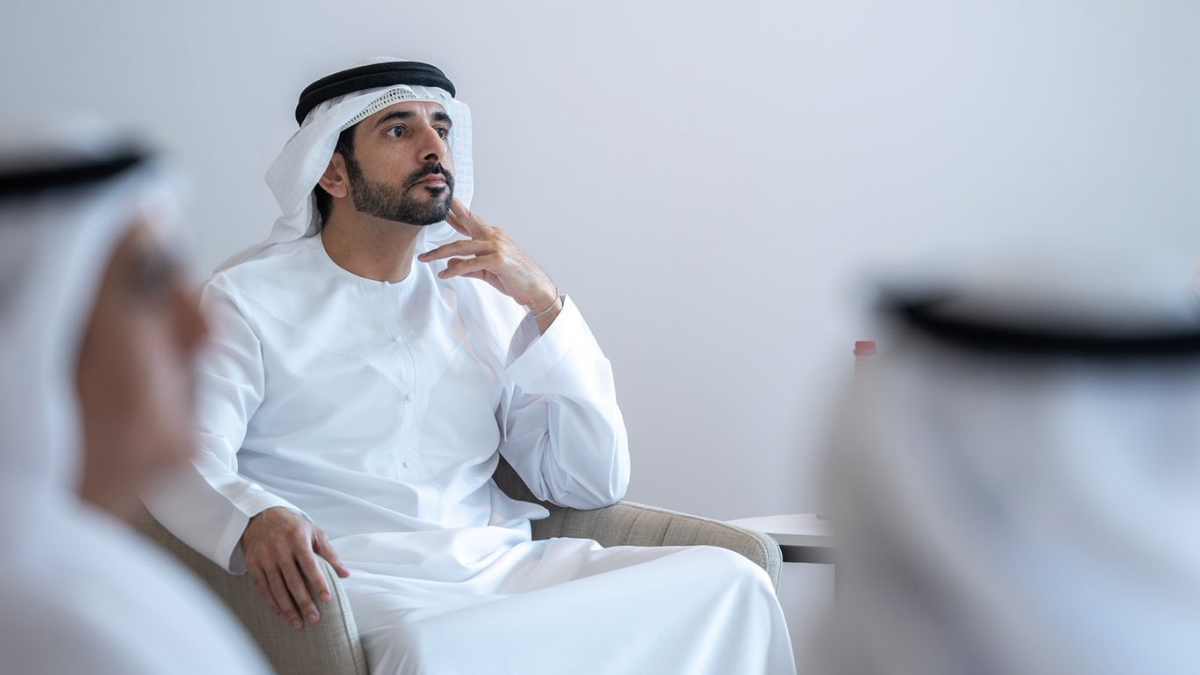

A Dh1 billion economic facilitation package has been greenlit by Sheikh Hamdan bin Mohammed bin Rashid Al Maktoum, Crown Prince of Dubai and UAE Minister of Defence, with measures set to roll out from April 1 and remain in effect for up to six months.

The package, approved during a session of Dubai’s Executive Council, targets businesses and residents navigating current economic headwinds. Three major strategic initiatives were also endorsed at the meeting, which was attended by Sheikh Maktoum bin Mohammed bin Rashid Al Maktoum, First Deputy Ruler of Dubai and UAE Minister of Finance, and Sheikh Ahmed bin Mohammed bin Rashid Al Maktoum, Second Deputy Ruler of Dubai.
Dubai’s GDP surpassed Dh937 billion in 2025, with the economy expanding at 5.4 per cent — figures that officials say demonstrate the emirate’s underlying resilience heading into what they acknowledge is a demanding period.
“Dubai has earned a reputation for credibility, transparency, and trust among businesses and investors worldwide, and stands ready to meet any challenge through the determination of its people and the strength of its inclusive society,” Sheikh Hamdan said.
Among the concrete relief measures, selected government fees will be deferred for three months to ease liquidity pressures on companies. The hospitality and tourism sectors receive parallel relief through a three-month postponement of hotel sales fees and the tourism dirham fee. Customs clearance grace periods have been extended from 30 to 90 days, with the possibility of further extensions, to ease trade flows for importers and exporters. Revised incentives for residency permit issuance and renewal are also part of the package, aimed at retaining and attracting skilled workers.

Sheikh Hamdan framed the measures within a broader confidence in the UAE’s trajectory. “Under the visionary leadership of His Highness Sheikh Mohamed bin Zayed and His Highness Sheikh Mohammed bin Rashid, and with the determination of its people and an open, inclusive society, the UAE is well-positioned for a better future,” he said.
The three approved strategies address distinct but connected priorities. The Virtual Warehouses Initiative, in its first phase, streamlines temporary imports, including artwork, by exempting such goods from customs duties and financial guarantees. Duties on private artworks are suspended for three years, geographical restrictions removed, and virtual copies of artworks introduced for tracking purposes.
The Dubai Empowerment Strategy focuses on Emirati families, targeting improvements in living standards, financial stability and employment through coordinated partnerships across government agencies, private businesses and community organisations.
The third initiative — a Health and Safety Strategy for Workers’ Accommodation — sets binding targets for 2033: full access to essential services for workers and complete compliance of accommodation facilities with health and safety standards. The strategy is aligned with the Dubai 2040 Urban Master Plan and International Labour Organisation regulations.
