




Senior high school students may soon spend far more time inside actual workplaces, as the Department of Education (DepEd) moves to expand on-the-job training to 640 hours—a steep climb from the 80 to 160 hours required now.

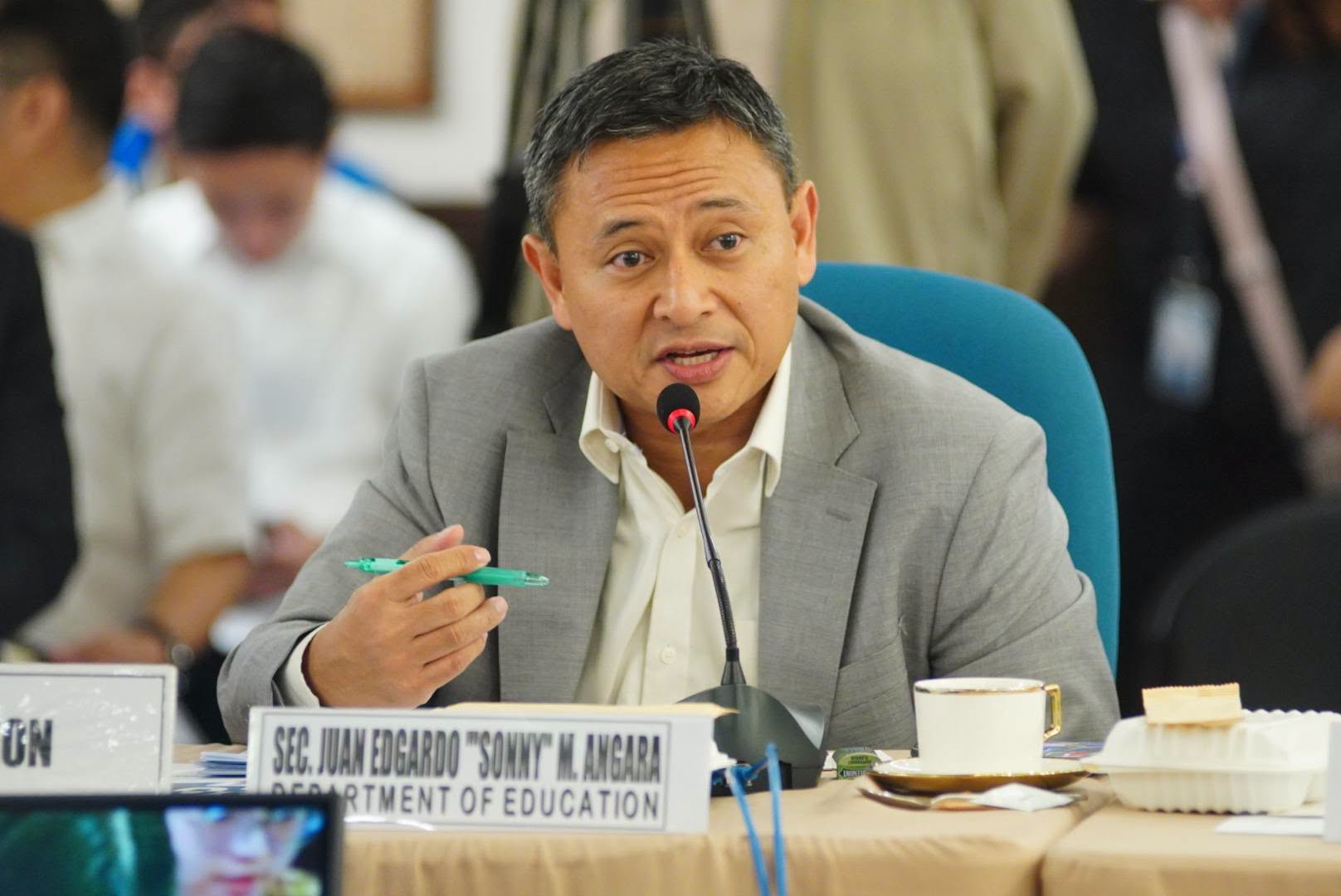
Education Secretary Sonny Angara laid out the plan before the House Committee on Appropriations, which was reviewing DepEd’s proposed 2027 budget. The proposal surfaced when Representative Brian Raymund Yamsuan pressed the department on whether K-12 graduates are truly ready for adult life.
Angara traced the push directly to what businesses have been telling the department. Many hiring managers, he said, feel that recent senior high graduates arrive unseasoned and unaccustomed to a standard workday.
“Kasi ‘yun ang feedback namin from many employers na parang yung attitude ng mga hinahire nilang senior high graduates ay parang hilaw pa at parang hindi sanay sa eight-hour work day yung ating mga graduates,” Angara said.
Deeper workplace immersion, he argued, carries a practical payoff for students themselves: employers who invest months training a young worker are more inclined to keep that person on after graduation.
“At ang kagandahan niyan, pag nakilala na ho talaga ng employer, mas malaki na ho yung chance na siya ay ma-hire pagka-graduate niya dahil nag-invest na rin sa training yung employer na nag-employ sa kanya as an on-the-job trainee,” he said.
The secretary noted that certain employers already stretch training to around 500 hours. Industry consultations, he added, revealed a preference for extended stints that give companies room to gauge whether a student fits the job and to sharpen their abilities along the way. The 640-hour target, he said, aligns with a directive from President Marcos, and the goal now is to convince industries across sectors to take on these learners.
A subject built around ‘life skills’

Classroom content is changing too. Angara said DepEd is introducing a life skills subject meant to ready students for whichever route they take after senior high—landing a job, starting a business, or heading to college.
“So it’s not just a purely academic subject, but also anything that we believe would make that person a good employee, or a good entrepreneur, or a good college student, whatever path he chooses to pursue after,” he said.
Part of the motivation, according to Angara, came from a student survey whose results alarmed him: a large majority doubted that schooling would improve their lives.
“So wala pong growth mindset sa kanila. So we’re trying to change that because alam naman natin all over the world education is key to a person’s success, di ba?” he said.
The new subject would cover things like cultivating a growth mindset—competencies Angara said the formal curriculum tends to overlook. He also wants to fold in future skills and a measure of AI literacy, framing the subject as one that will keep shifting with the demands of tomorrow’s jobs.
“Also a little bit of AI, a little bit of, because that’s the way of the future, a little bit of future skills also, whatever,” he said.
The budget backdrop to all this is substantial. DepEd brought a P975.96-billion spending plan for fiscal year 2027 before the appropriations panel on Monday, a figure that folds in its attached agencies. The department is separately seeking an extra P145.19 billion for priority programs left unfunded under the 2027 National Expenditure Program, among them P2.4 billion for more than 50,000 teacher laptops, P1.12 billion to renew internet service for over 14,000 schools, and P2.25 billion for ICT solutions and staff training.
