




Bigger planes landing on longer runways form the centerpiece of a nationwide airport overhaul that the Department of Transportation says should eventually bring down the cost of flying. DOTr Secretary Giovanni Lopez said the agency has adopted a firm rule for every new airport it builds.

“As a policy, for all our new airports, we now set the minimum runway length at 2,100 meters. That way, the runway is already primed for large aircraft. And when planes are bigger, fares tend to go down,” Lopez said.
The push responds to a directive from President Ferdinand Marcos Jr. instructing the department to find practical ways to make air travel cheaper and easier. Lopez cast 2027 as a turning point, a “banner year” when clusters of transportation projects reach completion and deliver gains for passengers, tourism, and the wider economy.
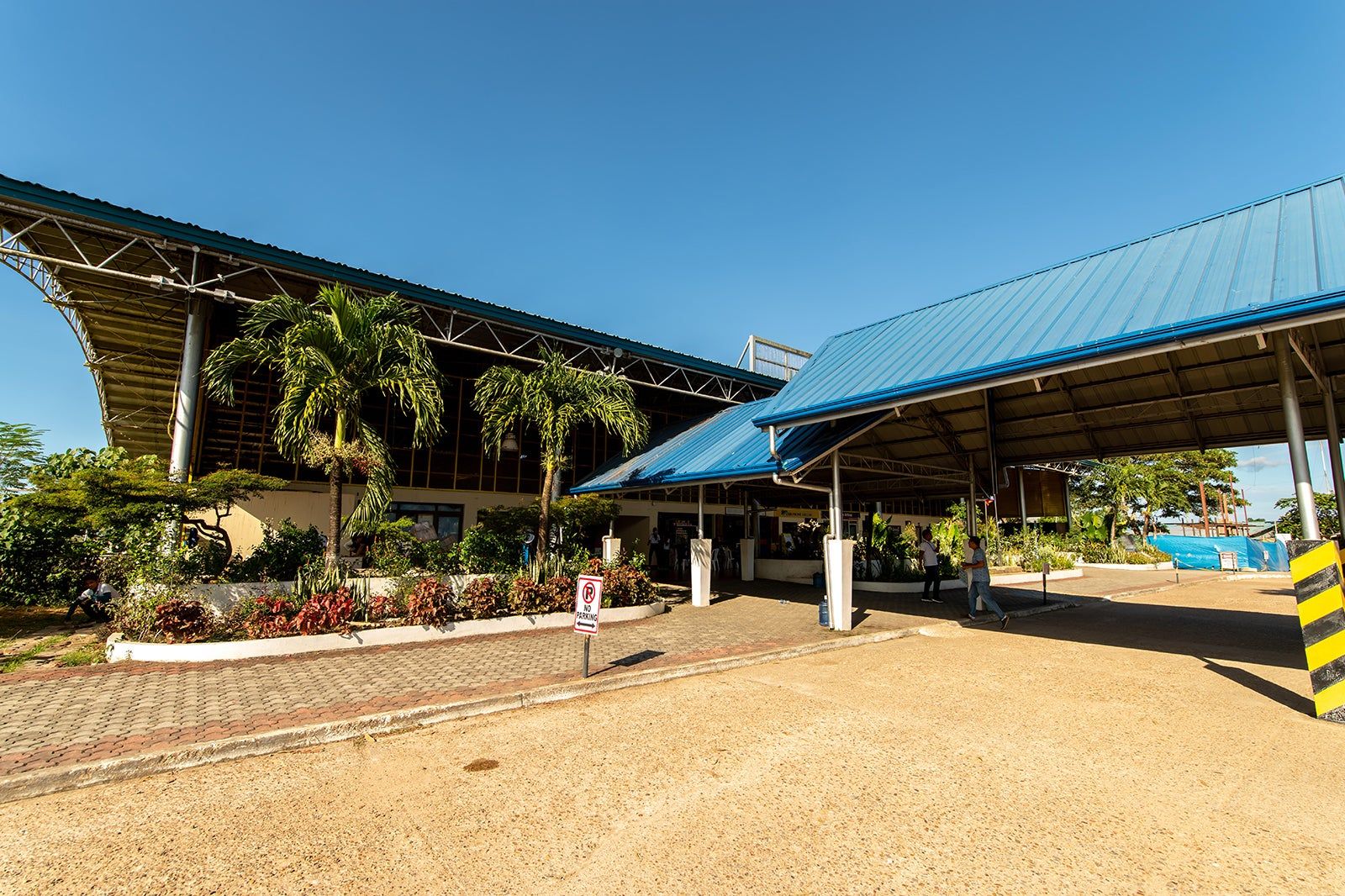
In Coron, Palawan, the Busuanga Airport is among the sites closest to the finish line. Its runway, stretched to 2,100 meters, is set to open in the first quarter of 2027, while the terminal itself is due for a substantial upgrade. CAAP Deputy Director General Danjun Lucas said seating inside the passenger building will climb from 300 to 1,500.
That expansion will rely on a construction method Lopez has ordered CAAP to roll out in the coming year. “This involves an innovation — what we call a modular terminal building. Modular in construction but built to high standards: sturdy, eco-friendly, more affordable, and faster to complete,” Lucas said.

Terrain has complicated the plans for Siargao Airport, where mangroves border one end of the runway and mountains hem in the other. The department estimates that a workable extension needs another 500 to 700 meters. Until that longer-term fix materializes, Lopez has instructed CAAP to set up portable runway lighting so aircraft can leave the island after dark, widening the daily flight window.
“More flights to a destination naturally drive fares down; it’s basic supply and demand,” Lopez said.
Capacity pressures are driving work elsewhere too. Laguindingan Airport, which serves Cagayan de Oro and nearby provinces, was built for 1.6 million passengers a year but already moves more than 2 million. Its private operator, Aboitiz InfraCapital Inc., intends to lift the ceiling from 3.9 million to 6.3 million travelers.
Bukidnon, meanwhile, stands to gain its first direct air link. Passengers bound for the province currently land at Laguindingan and face a three-hour drive to complete the journey. The DOTr expects the new Bukidnon Airport to be finished this December, opening initially to turboprop planes, with a lengthened runway targeted for the second quarter of 2027.
