




A routine genetic blood test at Cleveland Clinic Abu Dhabi has exposed hereditary cancer mutations running silently through an entire family, identifying multiple relatives who had no symptoms, no diagnosis, and no idea they were carrying potentially life-changing genes.

The case stands out even among specialists. Both parents in the same family were found to carry two entirely separate cancer-causing gene mutations — a combination doctors described as highly uncommon. Subsequent screening revealed at least three asymptomatic relatives who had inherited one or both mutations, including one daughter carrying mutations in two distinct genes, placing her at elevated risk for multiple hereditary cancer syndromes.
“This was surprising even for us,” said Dr Rifaat Rawashdeh, a certified genetic counsellor at the clinic.
The findings began with a woman with breast cancer and a family history of colon and uterine cancers, who underwent testing using a 47-gene cancer panel. She was found to carry a mutation in the MLH1 gene, linked to Lynch syndrome, a hereditary condition associated with elevated colon and endometrial cancer risk. When her daughter was tested, doctors expected a similar result. Instead: “She came back with a mutation in the BRCA1 gene.” That discovery prompted testing of the father, who also carried BRCA1, triggering broader family screening that uncovered the full extent of inherited risk across the family.

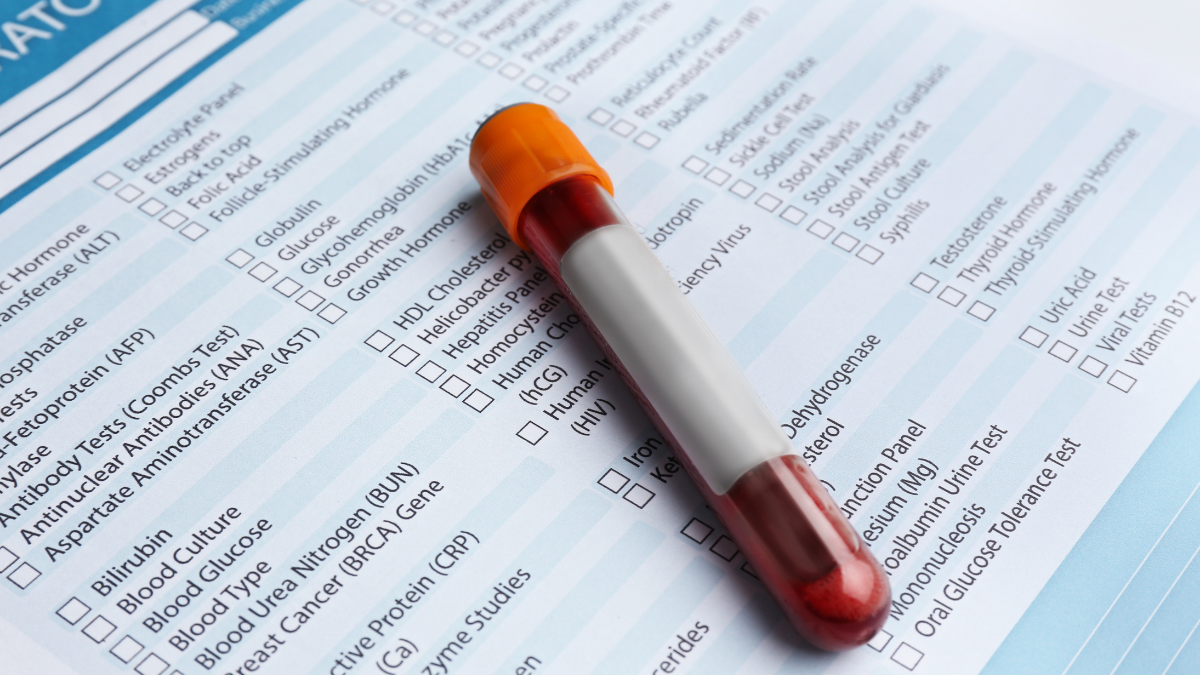
The entire process required nothing more than a blood sample. “It’s literally a blood draw,” Rawashdeh said.
Doctors say genetic screening’s greatest value often lies in what it finds in people who feel completely well. A healthy man in his 40s with no cancer history came to the clinic based solely on family background. Testing revealed an MLH1 mutation that could raise his lifetime colon cancer risk to up to 60 per cent. He was immediately enrolled in an enhanced surveillance programme rather than waiting for symptoms. “This is really the core of what we do; prevention,” said Dr Lea Abed, also a genetic counsellor at the clinic.
According to the hospital’s hereditary high-risk programme, up to 10 per cent of all cancers may be linked to inherited gene mutations, with common cancers such as breast, ovarian, colon, and prostate accounting for roughly 5 to 10 per cent of directly inherited cases. Abed noted that while the figure may seem small to some, “it’s actually a big number.”
The clinic says cancer medicine is moving decisively toward prediction rather than reaction. “We’re changing from traditional medicine into precision medicine,” Rawashdeh said. “We’re trying to predict the formation of cancer before it forms, before it develops, and try to prevent it.”
