



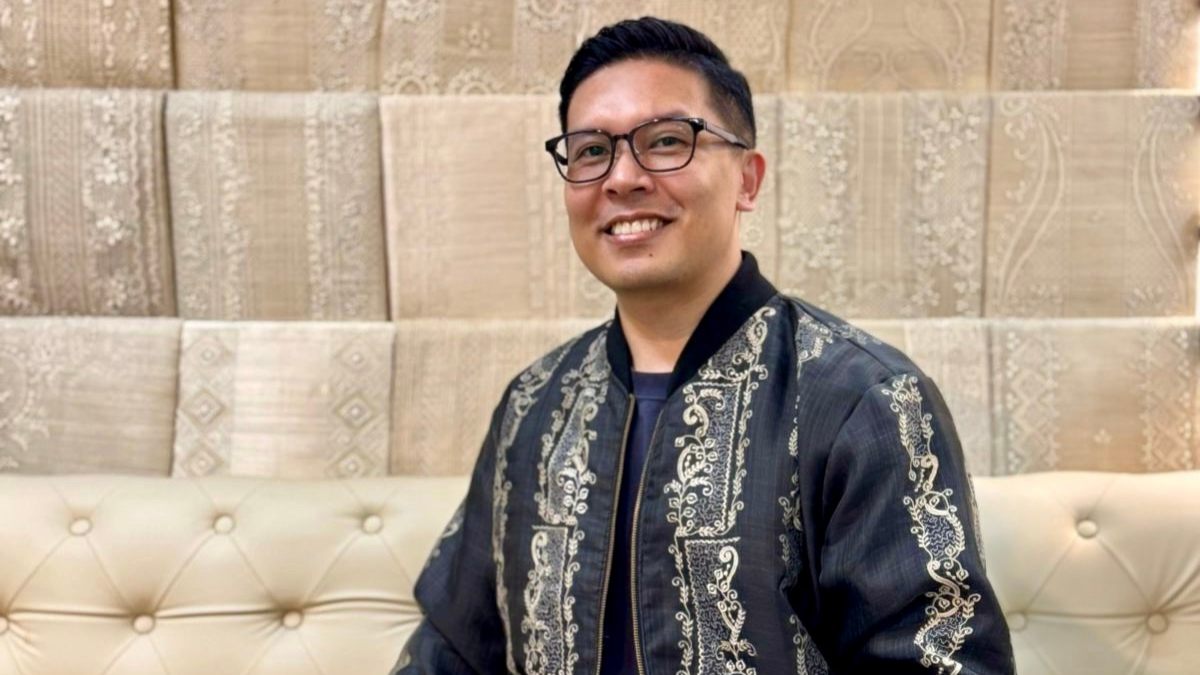

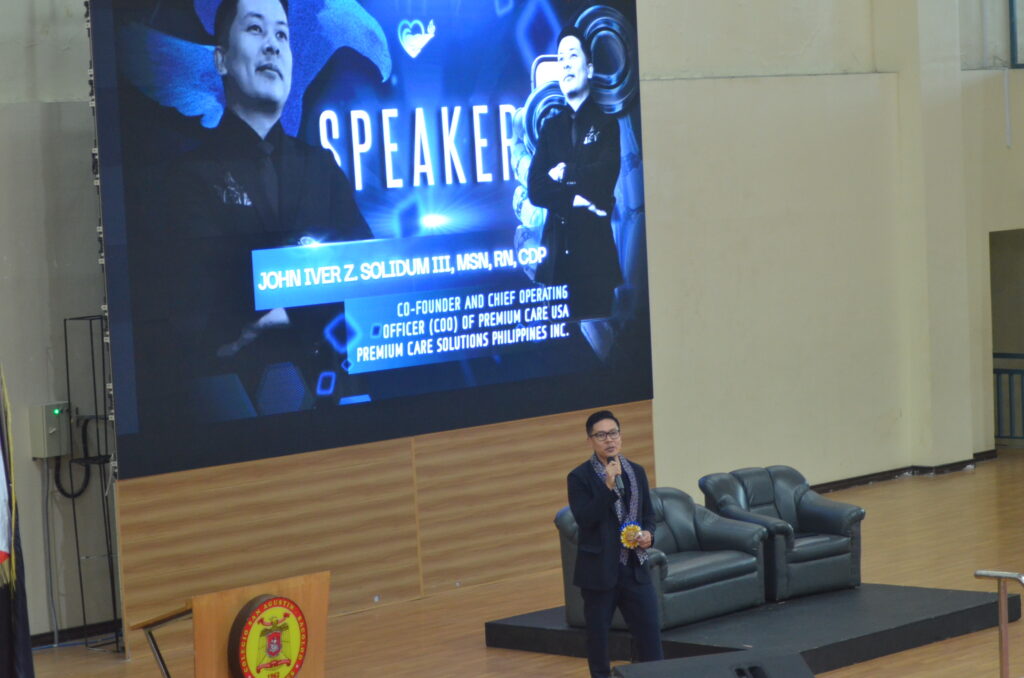
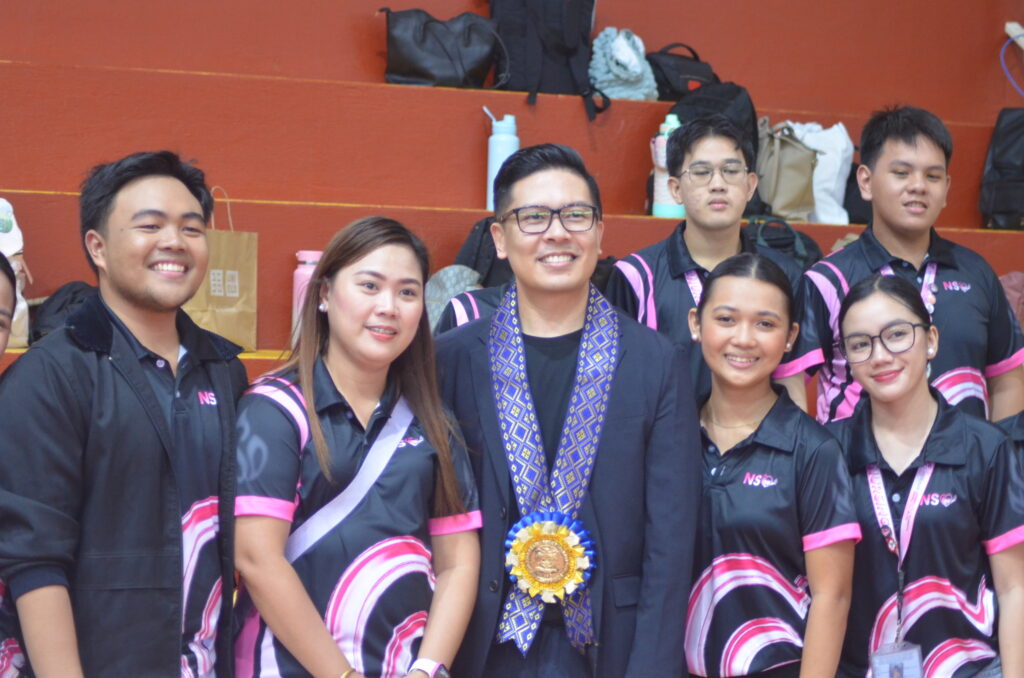
More than two decades after he walked out of Colegio San Agustin-Bacolod as one of its most decorated young nursing graduates, John Iver Solidum III has come back — not to talk about what he built abroad, but to hand the next generation a piece of it.

There’s a version of this story that fits neatly on a résumé. Top 3 in the entrance scholarship exam. Student government president. Magna Cum Laude. One of the Ten Outstanding Students of the Philippines, honored at Malacañang. Thirteenth place in the national nursing boards. A master’s degree earned with distinction in San Diego, where he was picked to speak at his own commencement.
But the more interesting story is the one that loops back on itself.
John Iver Z. Solidum III — MSN, RN, CDP — left CSA-B in 2002 as a scholar and a campus leader with ambitions that clearly reached well past Bacolod City. He became an ICU nurse in Iloilo, then a lecturer, then a wound care specialist in Northern Virginia, then a healthcare executive, then an entrepreneur. Any one of those chapters could have been the whole book.
Instead, he came home. And he brought a bridge.
When “informatics in the curriculum” isn’t the same as experience
Here’s a gap most people outside nursing education wouldn’t notice.
The Philippines actually saw this coming. Back in 2017, the Commission on Higher Education issued CMO No. 15, folding Nursing Informatics into the BSN curriculum as NCM 110 — a formal acknowledgment that technology, health data, and digital systems had become part of modern nursing.
But there’s a world of difference between studying telehealth and doing it.
For a whole generation of Filipino nurses who went on to build careers overseas, telehealth was something they picked up later, on the job. And when international credentialing paperwork eventually asked them to document their telehealth clinical exposure, plenty of them had a frustrating answer to give: zero recorded hours. Not because they weren’t capable — but because their schooling never assigned or logged that kind of experience in the first place.
That’s the gap Solidum set out to close.
Two companies, one bridge
To understand how a nursing school in Bacolod ended up connecting students to patients in the United States, you have to look at two businesses that seem, on the surface, unrelated.
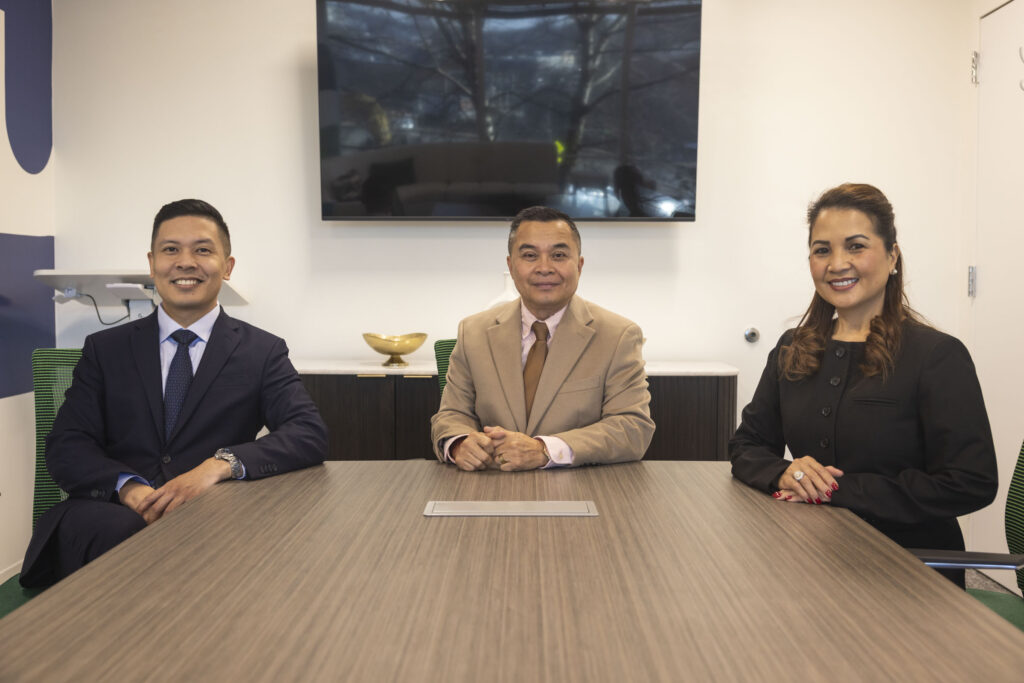
In 2015, Solidum joined fellow Filipino-Americans Edgardo “Jun” Arbolado Jr. and Catherine Arbolado to build Premium Care USA, a person-centered home care organization now operating out of Fairfax, Virginia, and Rockville, Maryland — increasingly serving U.S. military veterans and their families. Today Jun Arbolado is Founder and CEO, Solidum is Co-founder and COO, and Catherine Arbolado is CFO.
The same group later expanded into the Philippines with Premium Care Solutions Philippines Inc., a BPO and remote-support company headquartered in Roxas City with a presence in Bacolod.
A U.S. home care company and a Philippine outsourcing firm. Two different ventures — unless you’re trying to build a supervised learning environment that spans the Pacific. Then they become two ends of the same bridge.
Premium Care USA supplies the real American healthcare operations: patient workflows, clinical documentation, actual home care practice. Premium Care Solutions Philippines supplies the infrastructure and people on the ground, close to the students. And CSA-B supplies what neither company could — the academic structure, the faculty supervision, the nursing education expertise.
None of the three could have pulled this off alone.
The classroom finally meets the patient

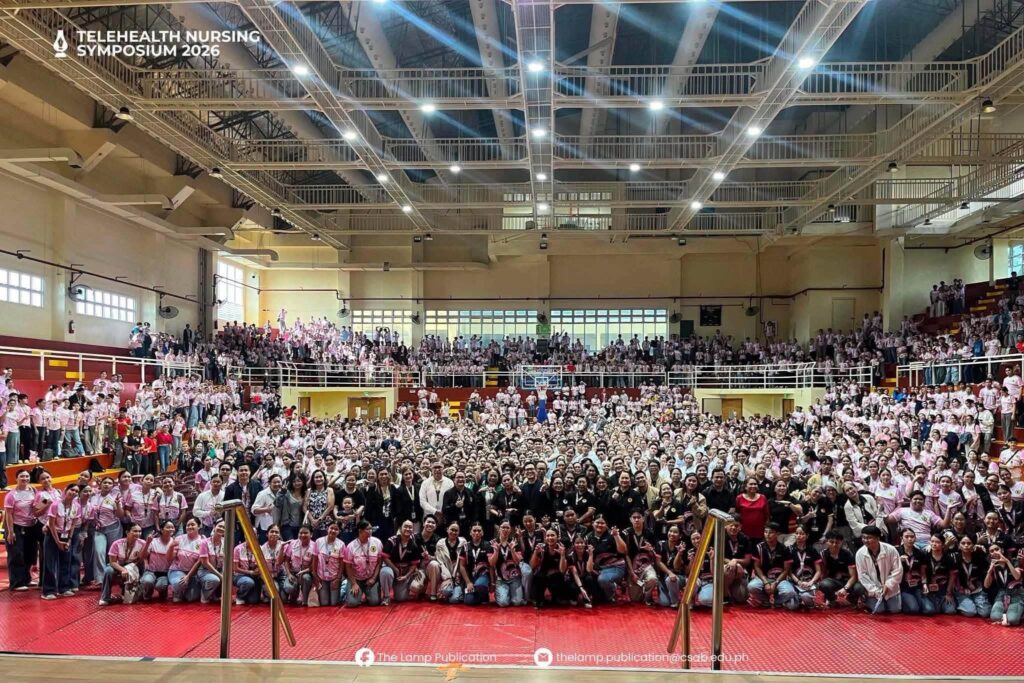
In 2026, CSA-B rolled out Telehealth and Electronic Health Records clinical exposure for its Level 4 nursing students. Through the school’s affiliation with Premium Care Solutions Philippines, students began rotating through structured learning experiences — telehealth communication, electronic health records, clinical documentation, data privacy — all under trained clinical instructors. Some of those encounters involve real patients based in the United States.
CSA-B describes it as the first hands-on international Telehealth Nursing exposure of its kind offered by a nursing school in the Philippines.
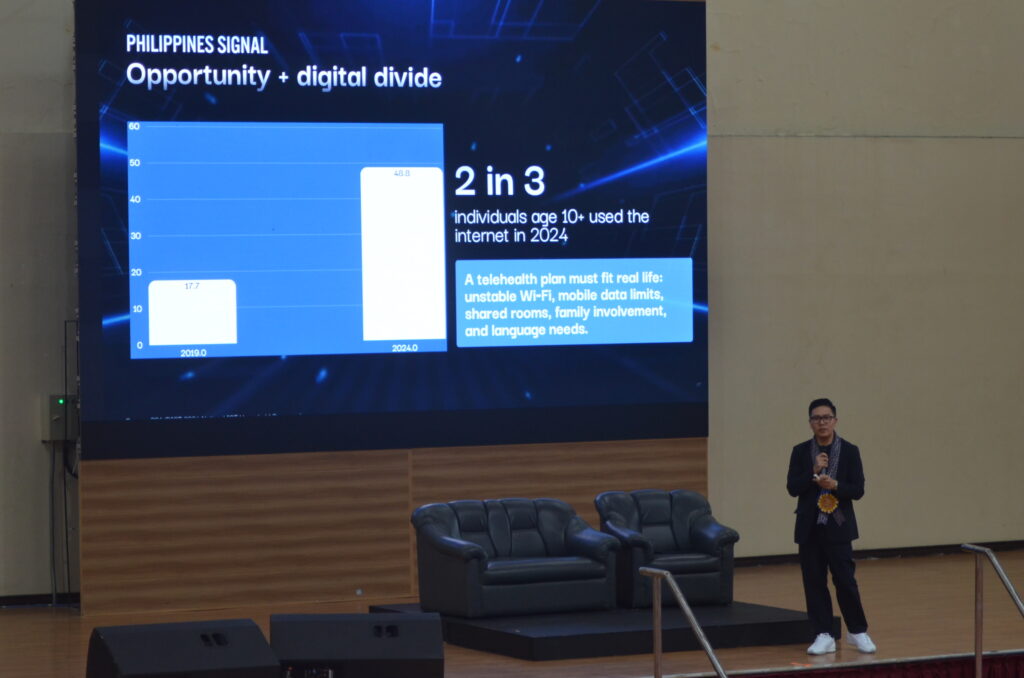
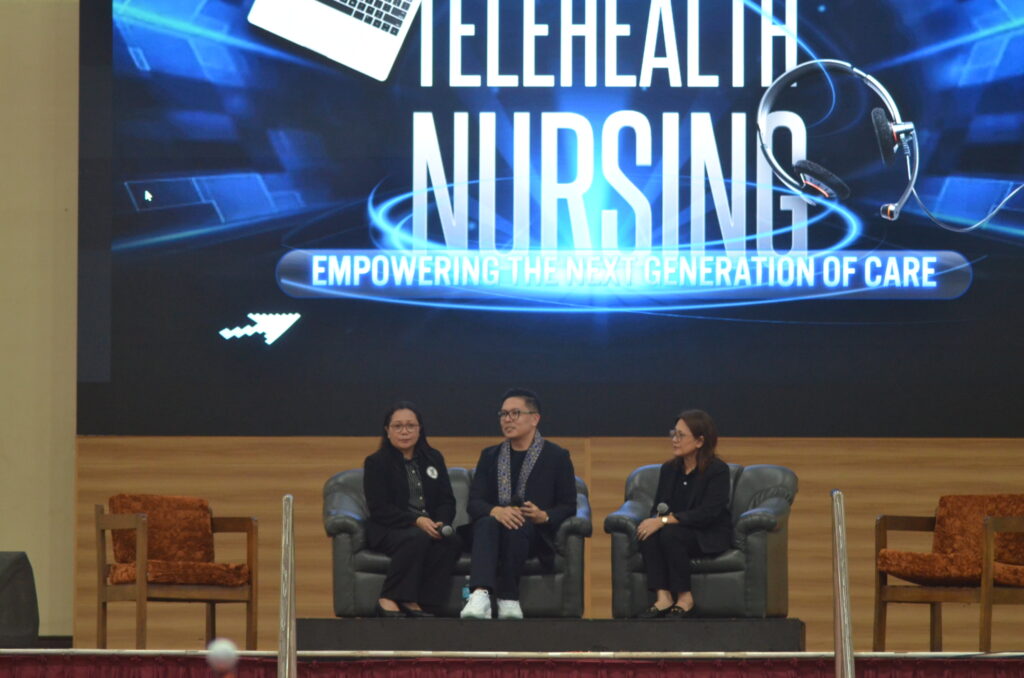
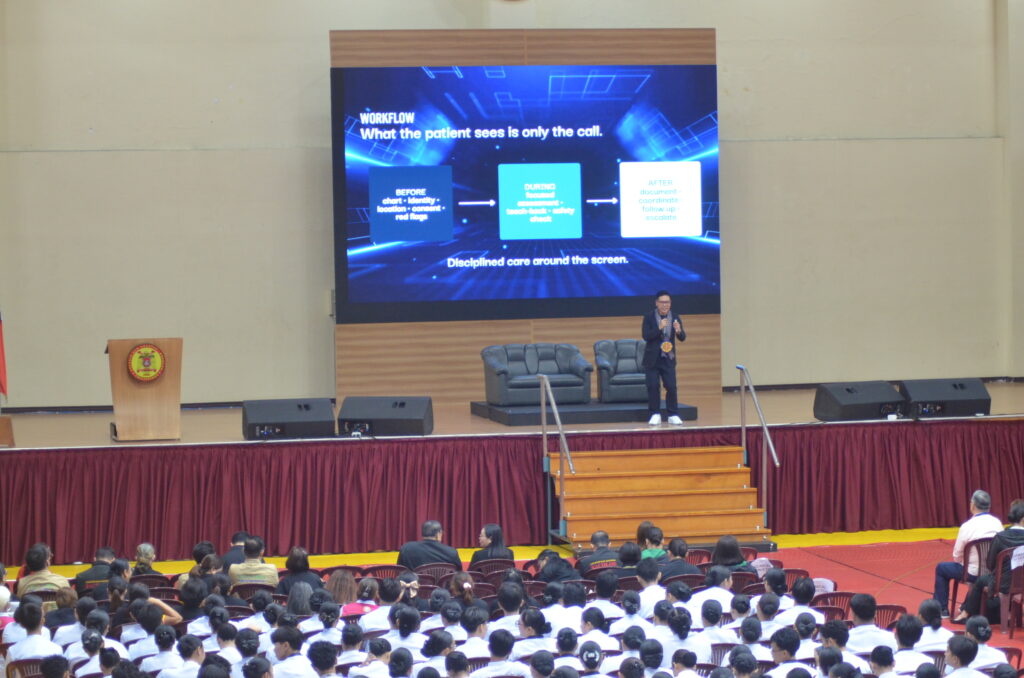
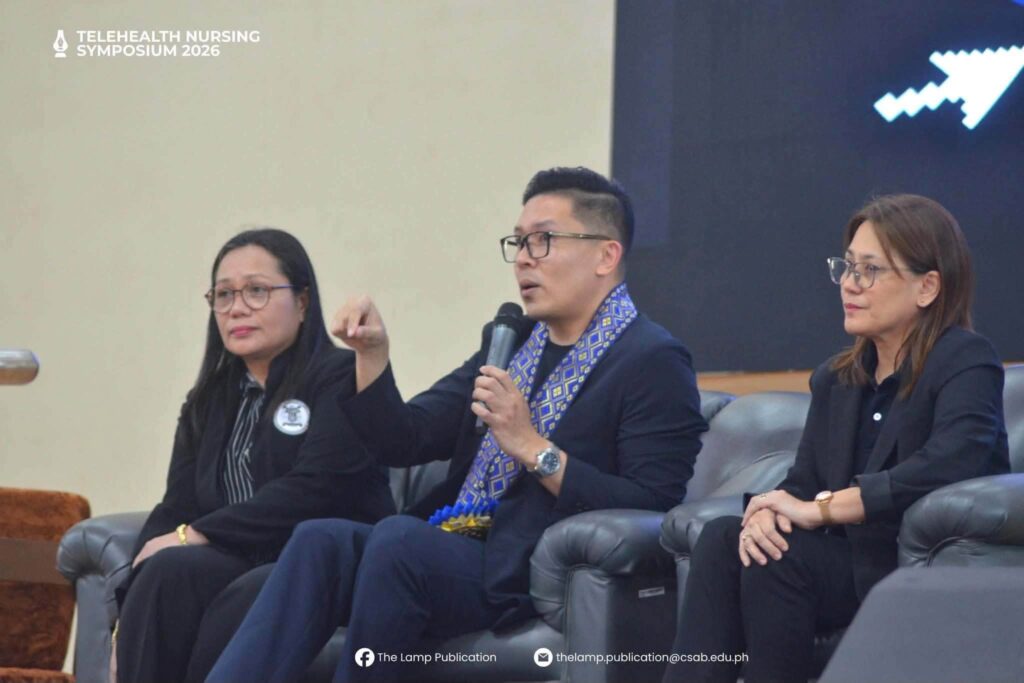
At a telehealth nursing symposium that followed, Solidum stood before student nurses, clinical instructors, and delegates from other schools across Bacolod and Negros with a message worth repeating: technology is transforming healthcare, but it does not replace nursing. It just changes where and how nursing happens.
Because the students aren’t being trained to operate software or stare at a screen. Telehealth still demands patient identification, therapeutic communication, knowing the limits of a remote assessment, escalating to in-person care when needed, patient education, privacy protection, documentation, and judgment. Those are nursing competencies. The screen only changes the room they’re practiced in.
A “Philippine first” — stated carefully
Big claims deserve precise language, so here’s the careful version.
Telehealth activities involving Filipino students have happened before, especially during the COVID-19 pandemic. What sets the CSA-B program apart is the international, cross-border clinical dimension — student nurses connecting with real telehealth services involving patients abroad, while still under faculty supervision.
That changes the math of a nursing education. Instead of meeting U.S. healthcare terminology, privacy rules, electronic documentation, and culturally diverse patients for the first time after migrating for work, these students get to encounter that world before they’ve even graduated.
It’s the difference between being told what the future of nursing looks like and being allowed to live a little of it early.
And there’s a quieter payoff, too. Those participating Augustinian graduates can now leave school with supervised telehealth hours their institution can actually document. On a credentialing form, it’s one small line. In terms of preparation, it’s a real shift — a Filipino student developing global competencies before becoming an overseas Filipino nurse.
Coming home, differently
There’s something fitting — something distinctly Augustinian — about where this all landed.
Solidum could have let his honors stay frozen in place as personal milestones: the scholar, the student government president, the Magna Cum Laude graduate, the Malacañang honoree. Plenty of accomplished alumni come back to a campus to tell students what they achieved after they left.
He did something different. More than twenty years after sitting in those same CSA-B classrooms, he helped turn infrastructure he built abroad into an opportunity his alma mater can now offer its students before they graduate.
The pioneering idea here isn’t just that a nursing student in Bacolod can talk to a patient thousands of miles away. It’s that geographic distance no longer has to set the limits of what a student can imagine — or practice.
Solidum, for his part, credits the whole partnership — his fellow owners Jun and Catherine Arbolado, and a nursing school willing to build the academic scaffolding around an unconventional idea rather than just nod along to it.
A lifetime of leadership seems to have led him right back to where it started. Only this time, he isn’t leaving CSA-B to chase the future.
He’s helping bring part of it home.
