



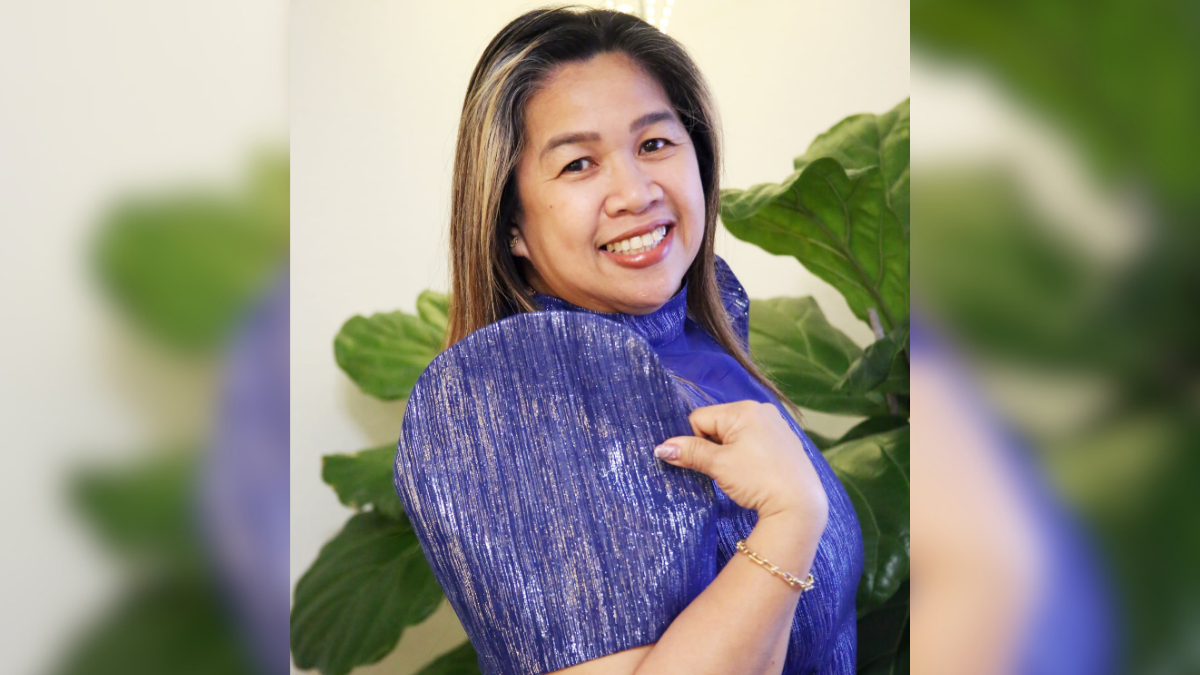

For most educators, twenty-eight years in the profession would be a career’s summit—a place to coast, to mentor, to ease toward retirement with the quiet authority of someone who has seen it all. Cindy Barredo saw it differently. At an age when many of her peers were settling in, she packed up a life built over two decades in Iloilo and started over in a middle school in the Arizona desert, trading the certainty of seniority for the humility of being new again.

That decision, made in 2022, is the kind of pivot that rewrites a life story. It also captures something essential about the 51-year-old Filipina educator: for her, mastery has never meant the end of learning.
A career built one role at a time
Long before Bullhead City, there was the University of San Agustin—the first university in Western Visayas and, for Barredo, a professional home for twenty-three years. She arrived as an English teacher and never stopped climbing. Co-curricular coordinator. Subject area coordinator. School administrator. Each title marked a widening circle of responsibility, from shaping individual students to shaping the teachers who taught them.
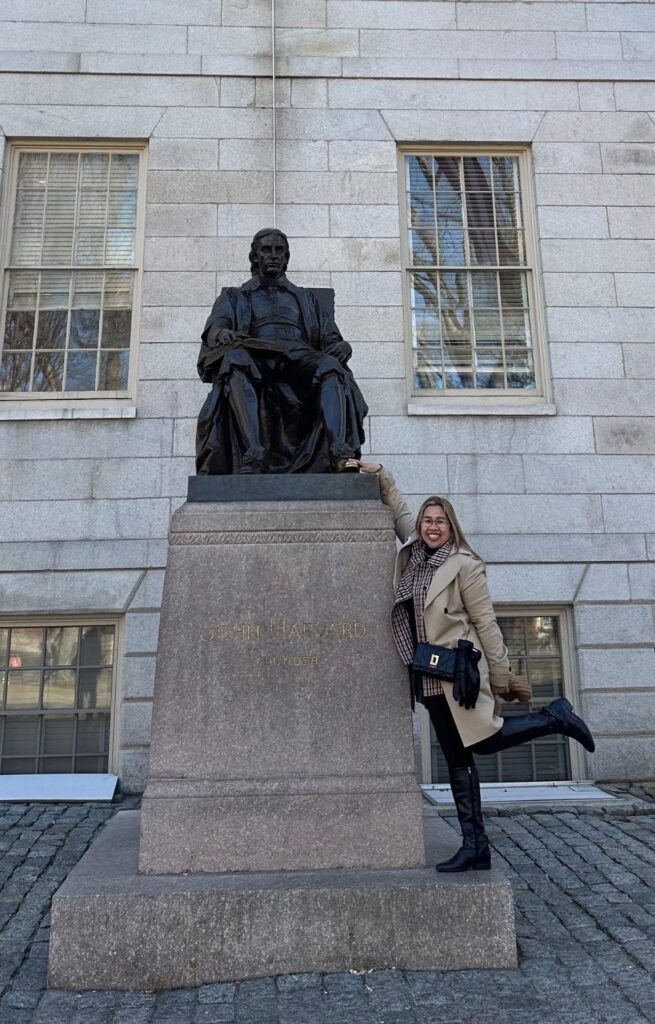


Her classroom philosophy was never confined to the classroom. She organized co-curricular programs built around leadership, teamwork, and creativity, and she folded community outreach and character-development work into a career that could easily have stayed within four walls. By 2013, the recognition caught up with the effort: she was named one of the Most Outstanding Teachers in Region VI for Private Schools by the Private Schools and School Administrators Association of the Philippines.
“This recognition affirmed my commitment to excellence in education,” she recalls, “and reinforced my belief that effective educators are not only dedicated classroom teachers but also leaders who inspire others.”
It would have been enough. Six years as an administrator, a doctorate in Educational Management, a master’s in Language Arts, an award to her name. On paper, the story was complete. And then she chose to complicate it.
Starting over in the desert
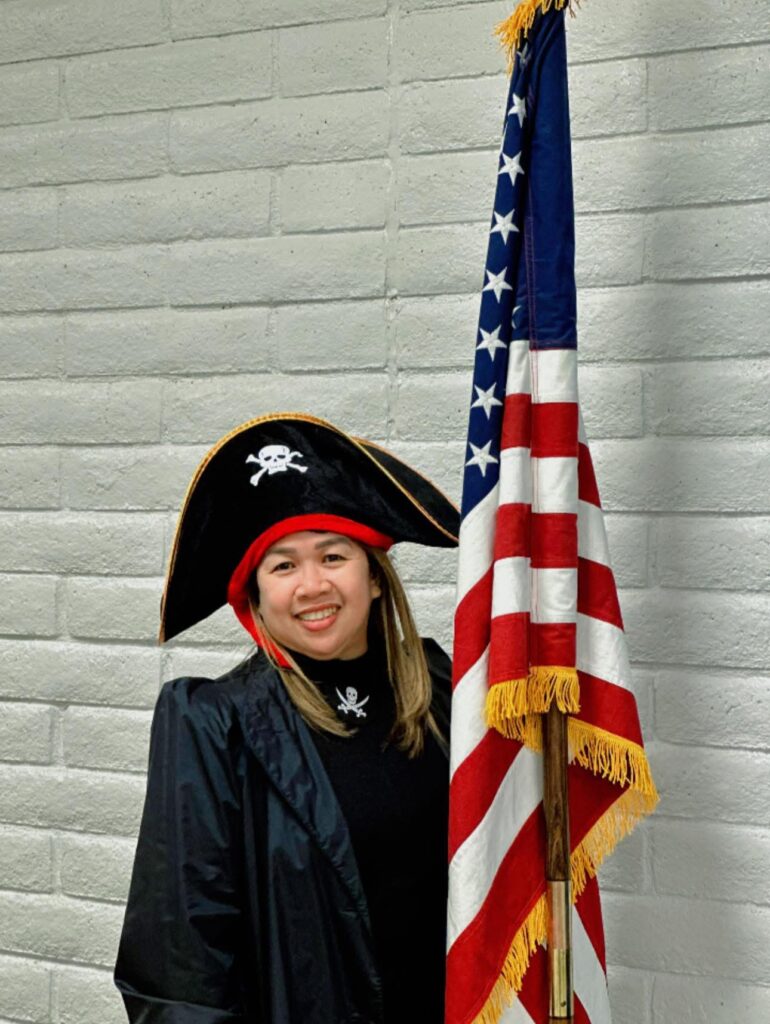
In June 2022, Barredo walked into Bullhead City Middle School as an English Language Arts and Social Studies teacher through a cultural exchange program—a decision driven less by ambition than by curiosity. She wanted to see the American education system from the inside, to absorb its methods, and to bring what worked back home.
“My primary goal was to broaden my horizons,” she shares with TGFM, “learning innovative teaching practices, and gaining insights into instructional strategies that I can eventually share with fellow educators in the Philippines.”
Wanting to learn and being ready to are two different things. The transition demanded more than optimism. Classroom management worked differently. Instructional approaches were unfamiliar. Her students carried expectations she had to decode from scratch. Twenty-eight years of experience were an asset, but she refused to lean on them as a crutch.
“Although I brought with me 28 years of teaching experience, I recognized the importance of being open-minded, flexible, and willing to learn new practices,” she explains. She observed her colleagues. She sought feedback. She reflected, adjusted, and reflected again—doing, in her fifties, exactly what she asked of her students.
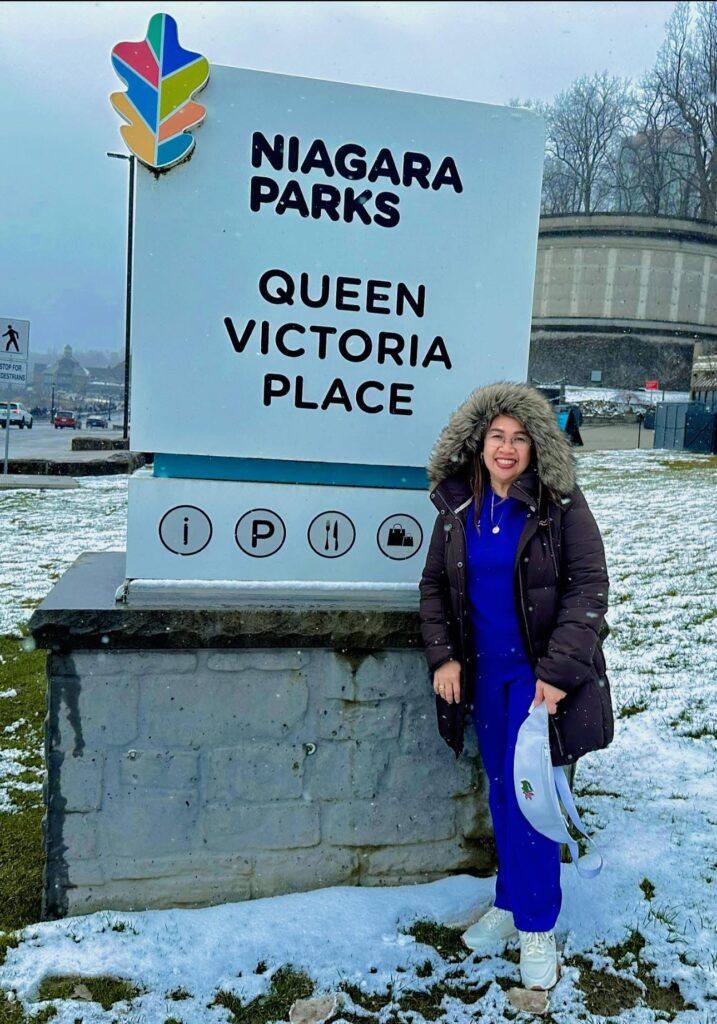
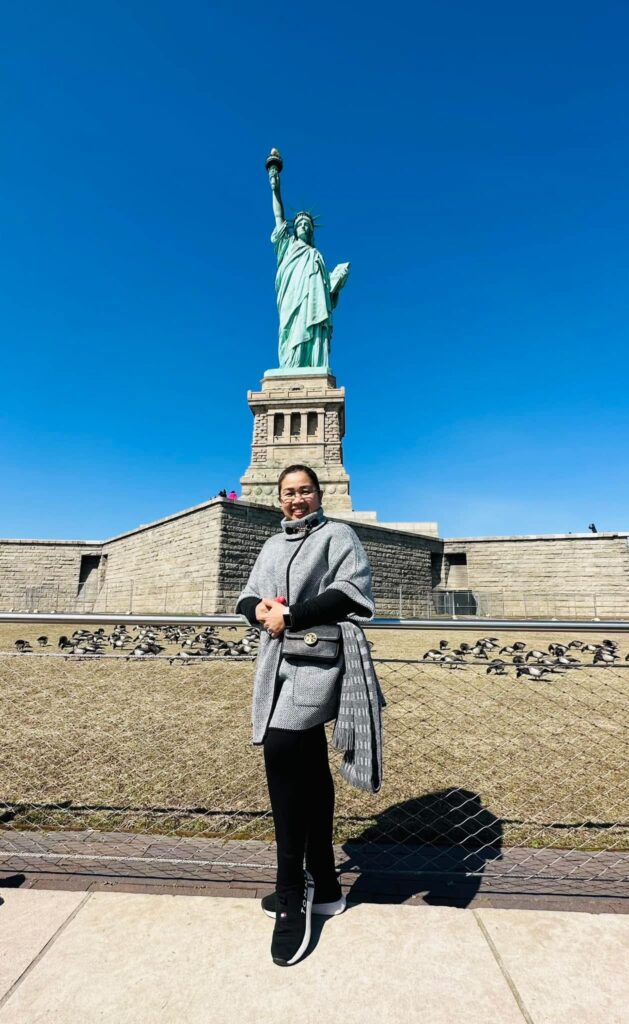
The personal cost was quieter but no less real. There were the missed family occasions, the ache of distance during the moments that matter most. “There were moments of homesickness and nostalgia,” she admits, “especially during important family occasions and times when I missed the comfort of being surrounded by loved ones.” She leaned on family, colleagues, and friends—and on the example of fellow educators whose resilience reminded her that the best teachers never stop being students.
The gamble paid off in ways that mattered to her. Within her time at the school, she was named ELA Team Lead, entrusted with guiding a department in a system she was still learning herself. She credits her colleagues for making the leap feel possible.

“Transitioning into this role in a different educational system could have been challenging,” she says, “but the experience has been made rewarding by the encouragement, trust, and unwavering support of my colleagues.”
The quiet victory of a struggling reader
Ask her to name the highlight of a decorated career, and she doesn’t reach for the awards or the titles. She reaches for the students—specifically, the ones who couldn’t read well and thought they never would.
“One of the greatest highlights of my career has been helping students with reading challenges develop the skills and confidence they need to succeed,” she says. Through targeted interventions and instruction tailored to each learner, she has watched struggling readers grow into confident ones. “Witnessing students who once struggled with reading become confident, engaged learners has been one of the most meaningful and fulfilling accomplishments of my career.”
That conviction sits at the center of who she is. Teaching, for her, was never a job description. “Teaching has always been more than a profession for me—it is my passion and my life’s calling,” she says. “I chose this field because I believe that education has the power to transform lives and shape the future of a nation.”
Her leadership has since reached beyond her own school. As Team Lead, she guides her team through unpacking academic standards, planning instruction collaboratively, and analyzing student data to close learning gaps. She was also selected for the Arizona STEM Acceleration Project Fellowship, a two-year program in which educators across the state design instructional resources and interdisciplinary lessons—work that has widened her network and sharpened her sense of what she can offer once she goes home.
A homecoming already in mind
For all that Arizona has given her, Barredo’s eyes are fixed on the return. She talks about the Philippines the way people talk about unfinished business.
The plan is specific. She intends to bring back what she has learned and act as a bridge between two educational worlds. She wants to expand her literacy initiative, “Reading/Learning Across the Globe,” using the partnerships she has built abroad to bring reading support and resources to Filipino students and teachers. She hopes to write and publish instructional materials shaped by both systems—textbooks and resources that are, in her words, “relevant, culturally responsive, and aligned with the needs of Filipino learners and educators.” And, in time, she wants to build a school of her own.
Underneath the ambition runs a steady belief that has carried her across an ocean and, eventually, back. “I believe that education is a powerful instrument for transformation,” she says, “and I hope to continue making a positive impact by empowering learners, supporting teachers, developing relevant educational resources, and contributing to the advancement of Philippine education.”
For the kababayans still finding their footing abroad, she offers advice earned the hard way—through homesickness, adjustment, and the daily work of starting over. Remember why you left, she says. Let purpose anchor you when the distance grows heavy. “Reconnecting with our purpose can give us the strength and motivation to persevere and continue moving forward.”
She is quick to add that resilience alone isn’t enough. It has to be paired with openness—the willingness to adapt, to respect a new culture, to keep learning. Be disciplined with money. Build honest relationships. And hold on to the values that shaped you.
It is, in the end, the same lesson her own life keeps teaching: that the ceiling is rarely where we think it is. Her mantra says as much. “Your attitude—not your aptitude—determines your altitude.”
Twenty-eight years in, she is still climbing.
