



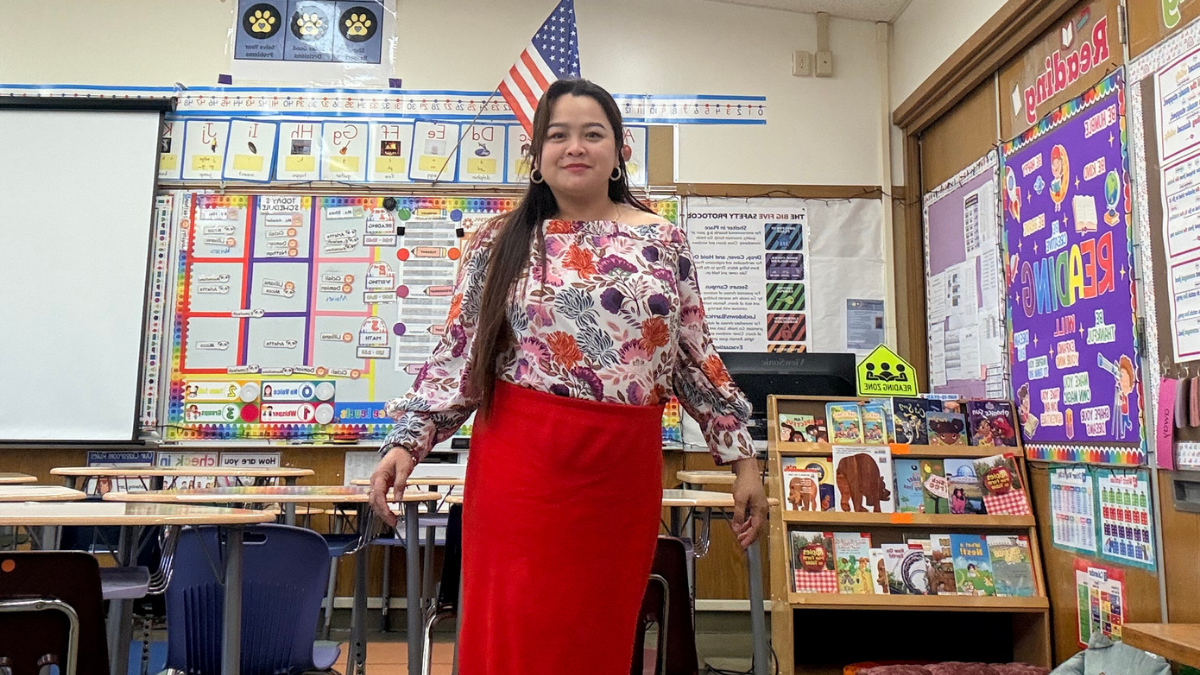

Nine years into a teaching career, most educators have settled into a rhythm — a grade level, a subject, a routine they could run in their sleep. Rheaflor R. Ylanan did the opposite. Twice. She walked away from a subject she was trained in, went back to school while working full-time, and rebuilt her expertise from the ground up — not once, but across three countries and three entirely different disciplines.

The Cebu-born educator now teaches Special Education in California, working with elementary students who have mild-to-moderate support needs at La Gloria Elementary in the Gonzales Unified School District. But the classroom she stands in today looks nothing like the one she started in.
From the gym to the IEP table
Rheaflor began her career teaching Physical Education in the Philippines, learning the fundamentals of instruction, engagement, and what she calls holistic education. It was a solid start, but she wanted more room to grow. That ambition took her to Vietnam, where she taught English as a Second Language to students from a mix of cultural backgrounds — her first real lesson in adapting to learners who didn’t share her language or frame of reference.
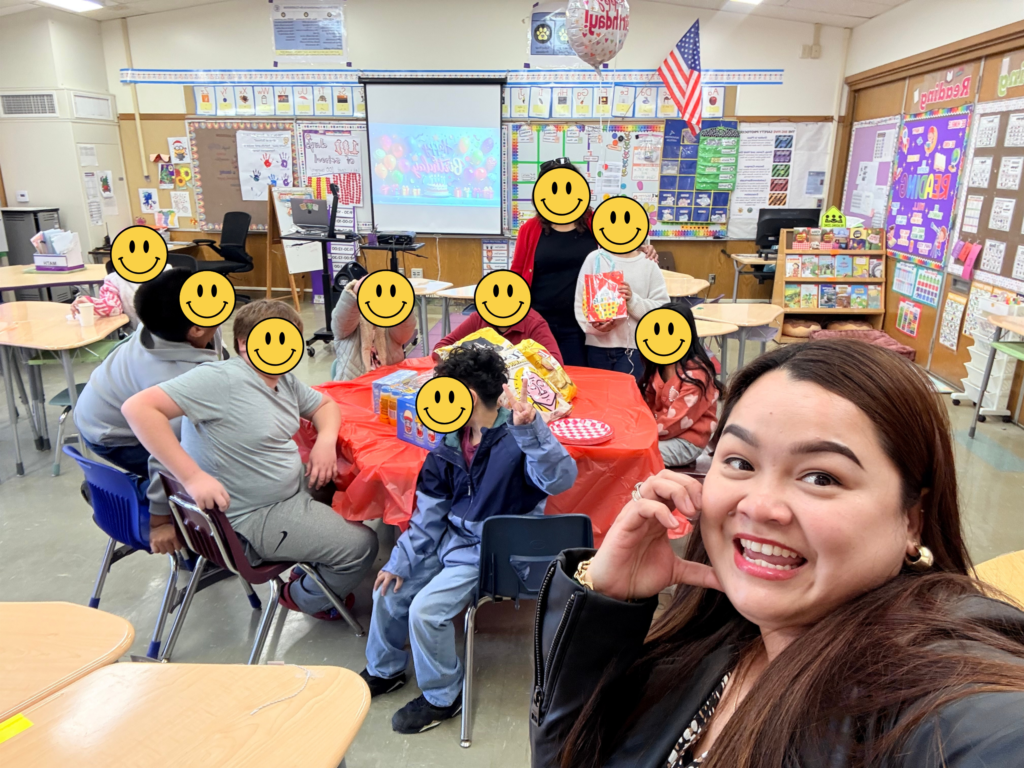
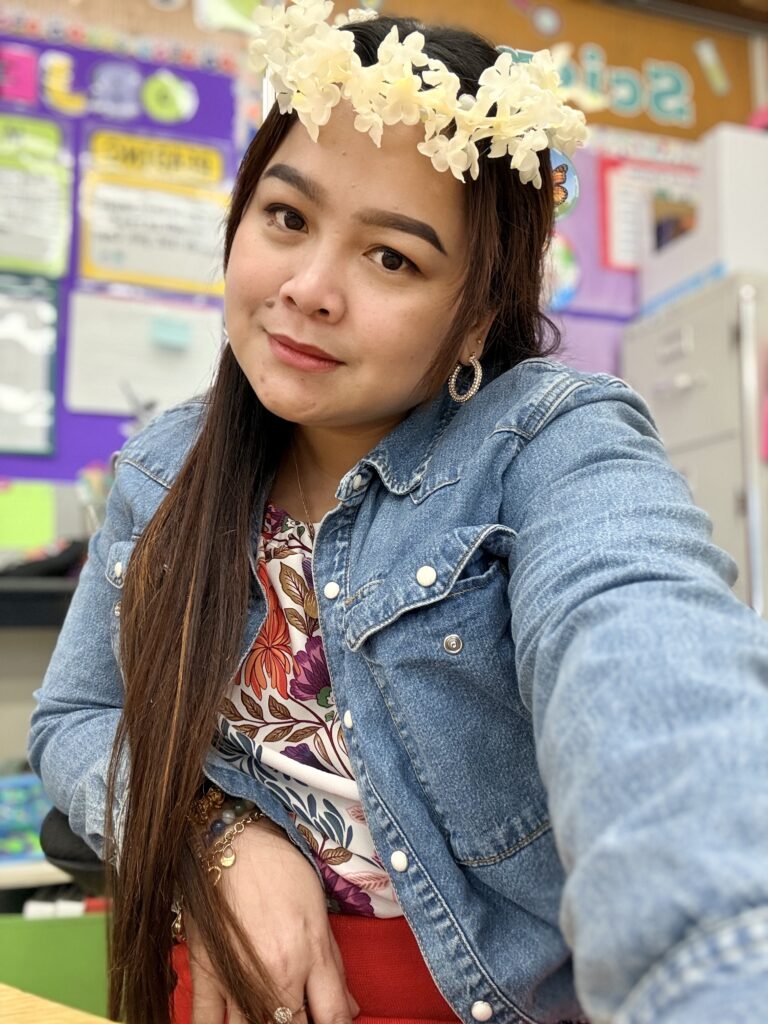
“Teaching in another country opened my eyes to new ways of learning and helped me connect better with students from various cultures,” she shares with TGFM.
From Vietnam, she applied for a position in the United States and landed a PE teaching job in California. She enjoyed it. She could have stayed in it. But something kept nagging at her — the students whose needs didn’t fit the standard mold.
“While I enjoyed teaching PE, working with students who had different learning needs made me realize I wanted to do more,” the Filipina educator recalls. “That experience led me to move into Special Education, which has been one of the most important steps in my career.”
That move wasn’t a lateral shift. It meant becoming a student again. To prepare, she earned a second Master of Arts in Education from Cebu Technological University — this one in Special Education, to go with her first in Physical Education. Then came the harder part: learning special education law, writing Individualized Education Programs, implementing evidence-based interventions, and collaborating with multidisciplinary teams. She was, in effect, starting a new profession while teaching full-time and living thousands of miles from home.
The reason she stayed
Rheaflor’s reasons for leaving the Philippines will sound familiar to nearly any overseas Filipino worker. Better opportunities. Financial stability. A brighter future for family. She wanted to step outside her comfort zone, support her loved ones, and grow along the way.
But she’s candid that the reason she stayed abroad turned into something different than the reason she left.
“Over time, my reasons for staying abroad became about more than just financial security,” she explains. Working across different education systems reshaped how she thought about teaching itself. “These experiences opened my mind about education and made me even more passionate about learning. They also taught me to be flexible, creative, and caring.”
Somewhere in that transition, the job stopped being a means to an end and became the end itself. The former PE teacher found a sense of purpose in Special Education that she describes as making each day rewarding rather than routine — a fitting proof of the old line she keeps close: choose a job you love, and you’ll never work a day in your life.
The homesickness was real, though, and she doesn’t gloss over it. Adjusting to an unfamiliar educational system while far from family brought moments of uncertainty and the constant pressure to prove herself in a new environment. Her response was to reframe the difficulty rather than resent it.
“Rather than seeing these challenges as obstacles, I saw them as chances to grow,” she says. She leaned on her faith, her family, and a series of mentors and experienced colleagues who helped her find her footing.

What progress actually looks like
Ask Rheaflor what she loves about the work, and she doesn’t talk about test scores. She talks about the individual child in front of her.

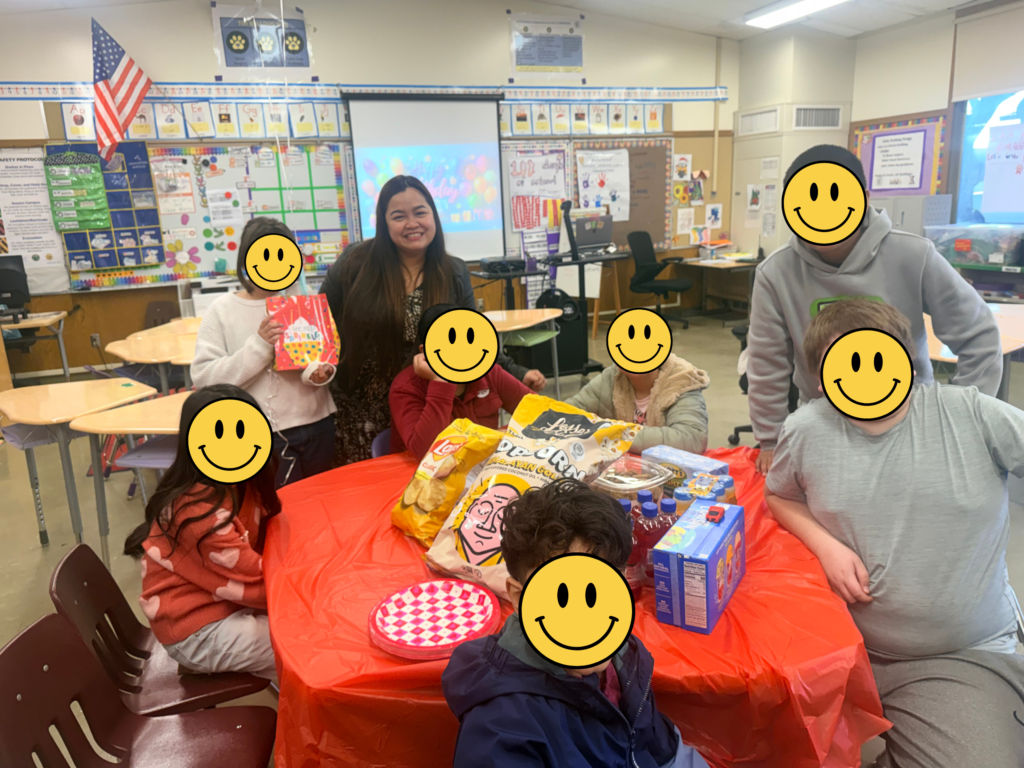
“Every student is unique, and I truly enjoy getting to know each one — their strengths, challenges, interests, and how they learn best,” she says. That attention to the individual is the whole point, because in her classroom, growth doesn’t come in one standard size.
“I believe growth looks different for every child, and I celebrate every milestone, no matter how small, because each one shows perseverance, learning, and hope.”
For her, Special Education isn’t strictly academic. It’s about building confidence, independence, resilience, self-advocacy, and a sense of belonging — the scaffolding that lets a student see their own potential. The most rewarding moments are the ones where a child does something they’d once written off as impossible.
“Watching a child achieve something they once thought was impossible reminds me why I chose this profession,” she says.
Those results have earned her more than personal satisfaction. She now serves as a team lead in her elementary Special Education department, coordinating with general education teachers, specialists, administrators, and families. It’s a role built on the trust of colleagues — something she names, alongside her students’ progress, as one of the genuine highlights of her career. She’s also pursuing DIBELS Mentor training and working toward Board Certification in Special Education, unwilling to let her own learning stall even as she guides others.
Carrying more than a job title
Rheaflor is clear-eyed about what she represents. Somewhere along the way, the personal ambition that first pushed her abroad grew into something she now treats as a responsibility.
“Now, I don’t just see myself as someone working abroad,” she says. “I feel proud and responsible to represent Filipino teachers around the world.” She hopes her story reflects the strength, dedication, and skill of Filipino educators — and nudges others to chase their own goals with less fear.
Her long-term plans reach past her own classroom. She wants to publish research, journals, books, and classroom resources; present at conferences; and partner with universities and educational organizations to share what she’s learned. The through-line is a conviction that education improves when teachers learn from one another rather than in isolation.
“I believe education improves when teachers learn from each other,” she says, “and I want to help build that spirit of teamwork.”
For the kababayan navigating the same road she once did, her advice is grounded rather than sentimental. Keep learning and investing in yourself. Be smart with money — spend within your means, save regularly, build toward financial freedom in small, steady increments. Choose friends who support your growth. And when the loneliness hits, go back to the beginning.
“There will be times when you miss your family, feel lonely, or question your choices,” she says. “When that happens, remember why you began this journey.”
It’s advice that carries the weight of experience — the words of someone who has questioned her own choices, changed course twice, and come out the other side more certain of the work than when she started. For a teacher who has spent her career convincing students that they’re capable of more than they believe, it’s a fitting message to pass on.
