




Skywatchers across the UAE and the heart of the Arabian Peninsula will catch their first glimpse of Suhail before dawn on August 24, an annual celestial event long read as a sign that the punishing summer heat is about to loosen its grip.

According to Gulf News, the star returns to view roughly 40 minutes ahead of sunrise, low over the south-eastern horizon in the central Peninsula. Its reappearance comes after a hiatus of about three and a half months, having slipped below the south-western horizon back in early May.
Ibrahim Al Jarwan, who chairs the Emirates Astronomy Society and belongs to the Arab Union for Astronomy and Space Sciences, noted that a slow drop in temperatures usually sets in once August 20 passes. That relief, however, is not immediate. Sweltering conditions tend to hold through the close of September, paired with heavy humidity and fog that settles in during the early morning hours.

For generations, communities across the region have tied the star’s return to shifts in the natural calendar. Al Jarwan explained that fishermen watch for fish drawing nearer to shore as sea temperatures ease, while those working the land begin readying for the planting months ahead. The arrival also ushers in Al Safriya, counted as the first of the gentler seasons and a stretch when welcome rains are expected.
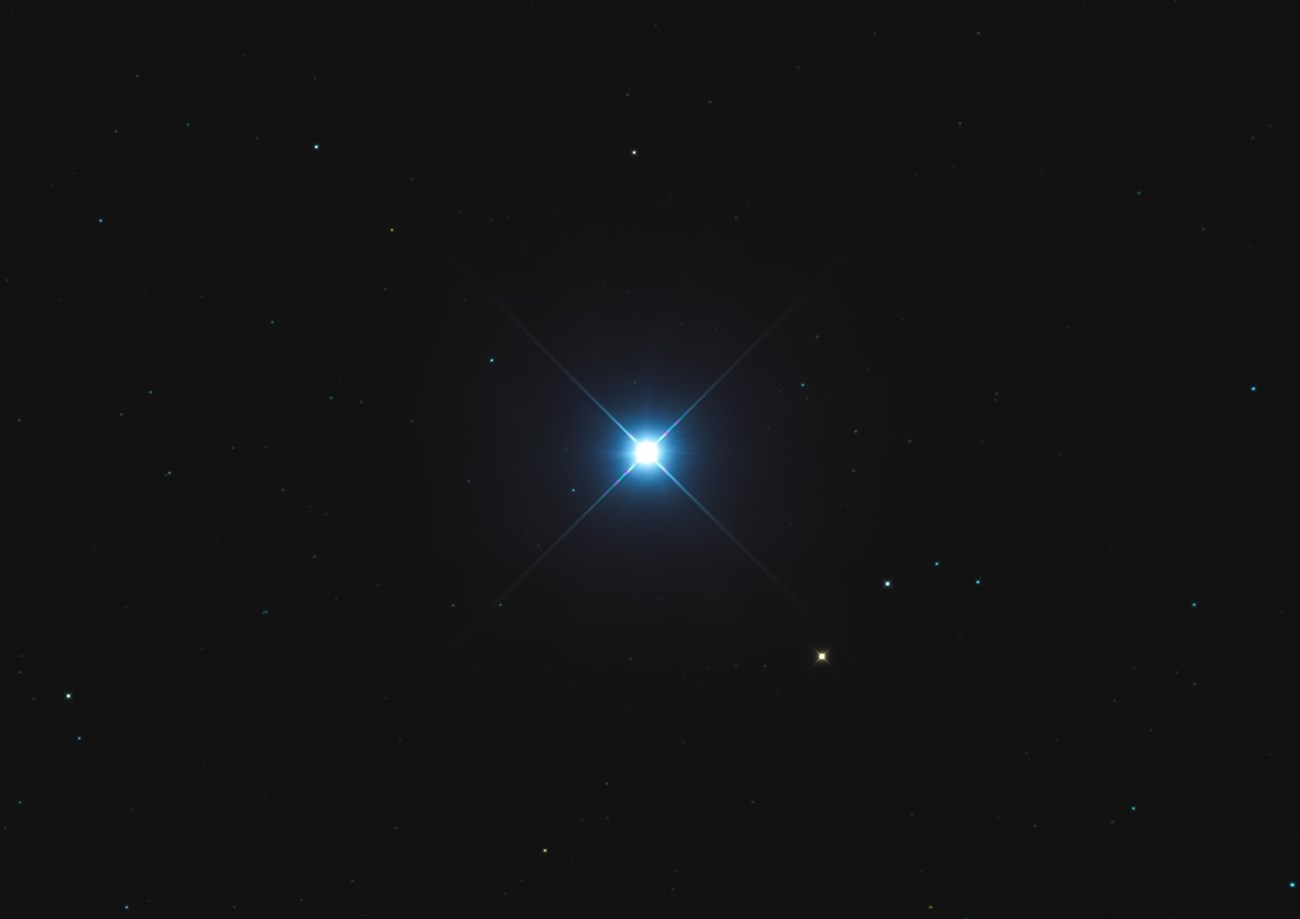
The star carries the scientific name Canopus and ranks as the second most luminous in the night sky, trailing only Sirius. Its position deep in the southern sky keeps it hidden from much of the world above latitude 38 degrees, yet across the Arabian Peninsula it has served for centuries as a dependable marker of the changing seasons, surfacing first in the south before climbing into view farther north.
Sitting roughly 310 light-years away, Canopus offers a curious reminder of cosmic distance: the light reaching observers on August 24 set out on its journey some three centuries ago.
