



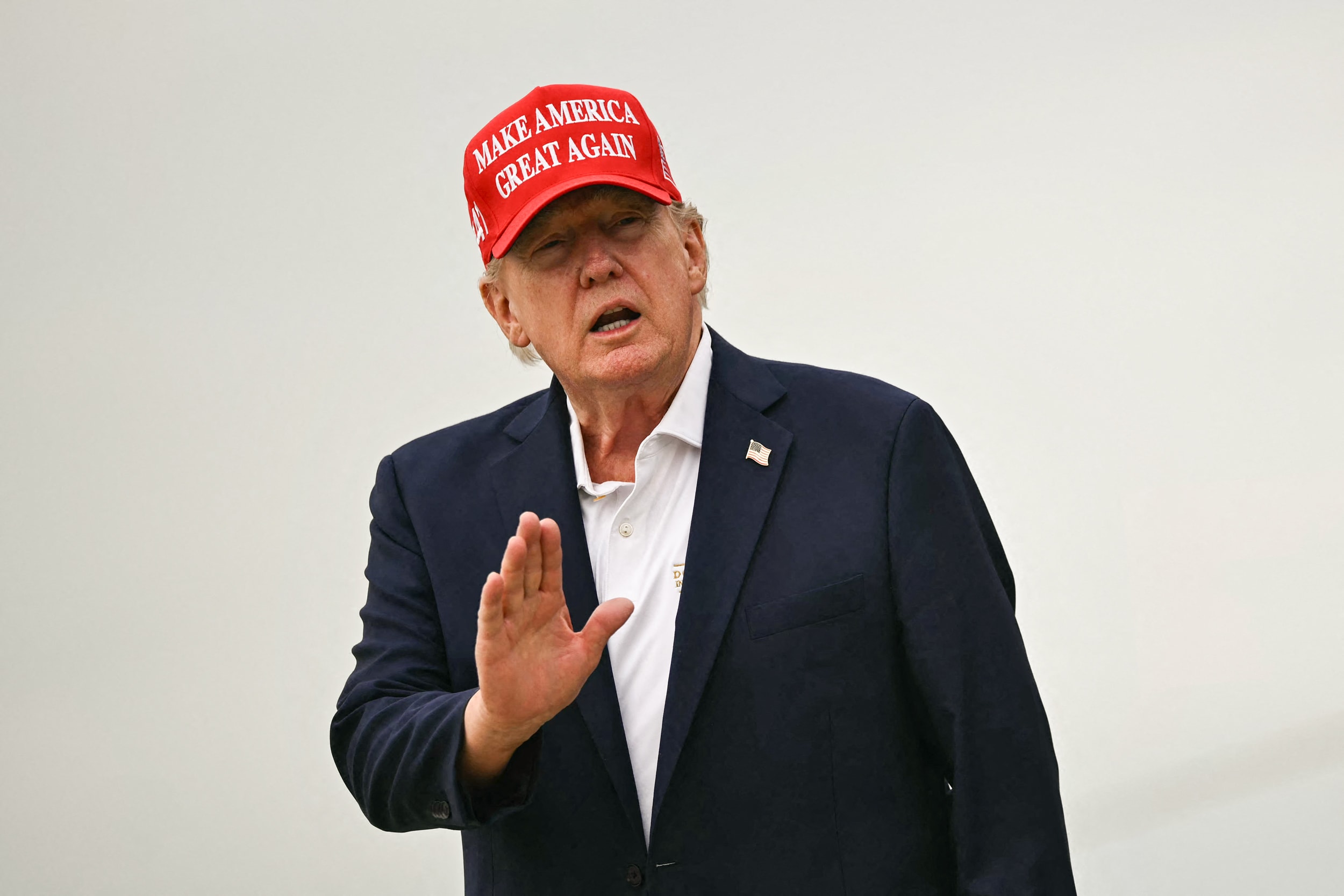

Washington maintains a direct line of communication with Iran’s Islamic Revolutionary Guard Corps, President Donald Trump asserted during a phone interview with Fox News, a claim Tehran swiftly rejected. The IRGC, one of the most powerful military, economic, and political institutions in Iran, denied any such contact through a spokesman who told the semi-official Tasnim News agency: “There are no talks taking place between IRGC officials and the Americans, and this lie by Trump is merely fantasies caused by the delusions and nightmares he has suffered as a result of defeat and desperation in the war.”

The same interview produced a blunt warning aimed at Oman, a US ally that has positioned itself as a neutral party while helping broker an end to the closure of a critical shipping lane. Fox reporter Trey Yingst relayed Trump’s words: “If Oman gets in the way, we’ll bomb the shit out of them.” The threat, delivered with an expletive, targeted a country that shares the southern edge of the Strait of Hormuz and has absorbed several Iranian strikes despite its stated neutrality.
At the center of the friction is the Strait itself, a passage that normally carries roughly one-fifth of global oil and liquefied natural gas shipments. Tehran has kept it largely sealed since February, when US and Israeli forces struck Iran, and restoring traffic through it has dominated the diplomatic agenda. Both Washington and Muscat have been running separate negotiating tracks with Iran to reopen the waterway, which has stayed mostly shut for close to six months.
Hours before Trump’s threat surfaced, Iranian officials signaled they were nearing a resolution with Oman. Foreign ministry spokesman Esmaeil Baghaei told reporters that “an understanding has been reached regarding the map of the transit route,” and said the two governments would settle the remaining specifics before releasing a joint statement. Oman has characterized the discussions favorably in the past.

Money remains a sticking point in the parallel US track. Iranian Foreign Minister Abbas Araghchi said earlier in August that any full reopening hinged on American compensation for what Tehran called breaches of the Memorandum of Understanding between the two nations. Reuters, citing an Iranian official, had earlier reported that Iran wanted to charge vessels passing through the Strait fees amounting to between 5 and 7 percent of their cargo value.
Trump, for his part, showed no urgency about ending the conflict. “They’re good poker players, but they’re dying,” he said. “I have no time schedule. I’m not in a hurry.”
The MoU that framed these negotiations was signed on June 18 to establish a ceasefire and partially reopen the Strait, but it collapsed once both sides returned to trading strikes. Trump declared the truce “over” on July 8, deriding Iran’s leadership as “scum” and “cuckoo” after renewed fire between the two countries.
As the agreement approached its formal expiration on Monday, Trump used his Truth Social platform to restate his central demand: “The number one goal is, and always will be, that Iran cannot have, in any way, shape, or form, a nuclear weapon.”
