



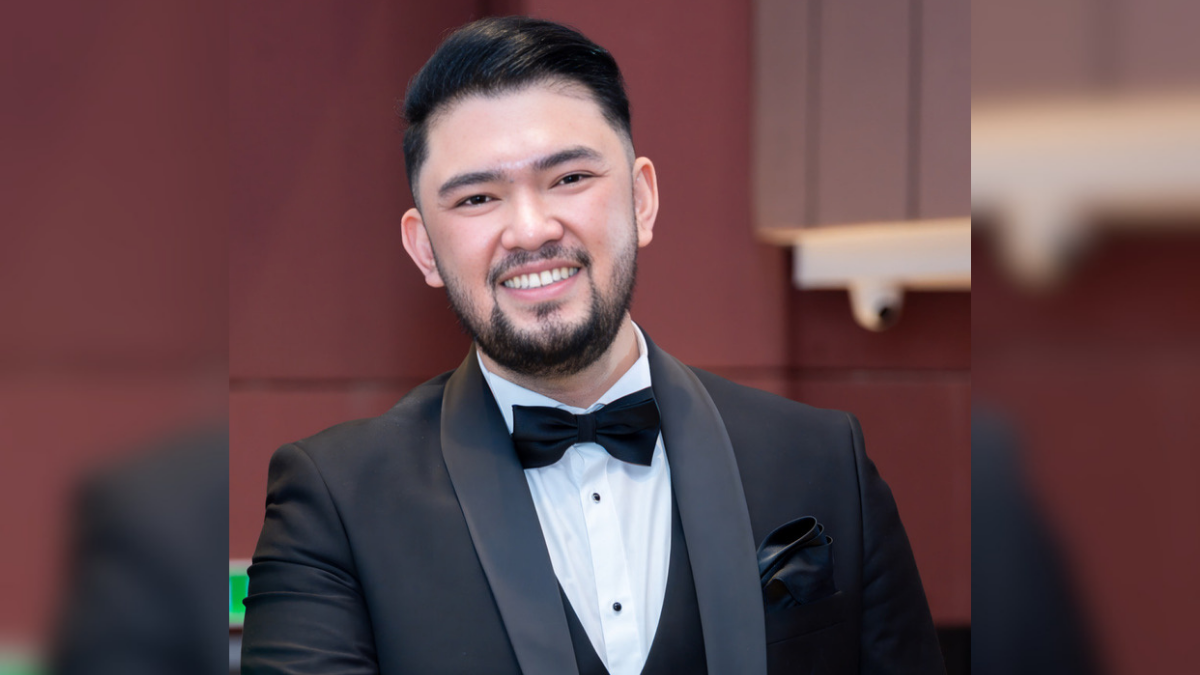

In an operating room in Jeddah, a young nurse’s phone rang with news of a promotion at the exact moment his family back home was mourning a death. That collision of grief and ascent — sorrow and breakthrough arriving in the same breath — is the kind of thing that never makes it into a résumé, but it explains almost everything about how Rafael Villademosa Collado came to lead nursing excellence for one of the Middle East’s largest hospital groups. Fifteen years abroad, and the milestones came fast: youngest member of middle management, acting chief nursing officer, and now the corporate director steering Magnet standards across an entire hospital system. What the achievements don’t show is that none of it was the plan.

The Filipino nurse from Roxas City, Capiz, currently serves as Group Magnet Program Director for Saudi German Health, overseeing the gold standard of nursing recognition across all hospitals in the system. It is a role that did not exist for someone like him until he grew into it — the first and only Filipino to hold this top corporate-level position in the organization. But to understand how a marketing officer at a review center in the Philippines ended up here, you have to go back to a decision he almost didn’t make.
The career he never intended to have
Working overseas was never part of Rafael’s original plan, and he says so plainly. In the late 2000s, thousands of Filipino nurses were sitting for the licensure exam with their eyes fixed on jobs abroad. “There was a significant surge of Filipino nurses taking the PNLE—our batch in 2008 was among the largest ever recorded,” he shares with TGFM. The pull was obvious: competitive salaries, safer futures, the promise of comfort. He watched it happen around him, but he wasn’t part of the rush.
He had reasons to stay. After passing the Philippine Nursing Licensure Exam in 2009, he had built something he genuinely enjoyed as a Marketing Officer at the Dr. Carl E. Balita Review Center, then the largest review center in the country with 181 domestic branches and six international locations. The role sent him traveling to Manila, put him in rooms with university executives, and let him help aspiring nurses pass the exam he had just conquered himself. His days ran on a punishing rhythm — review center by day, hospital shifts at night to keep his clinical skills sharp, Master of Arts in Nursing classes on weekends. He was, by his own account, thriving. “This role allowed me to travel frequently to Manila and immerse myself in a dynamic professional environment that I truly enjoyed,” he says.
Then a friend nudged him to apply for a nursing post in Saudi Arabia. He did it almost as an afterthought. “I submitted my application without much expectation, as I was content with my job,” the former review center officer recalls. The results startled him — top scores in both the interview and the pre-exam assessments. He reads that outcome through his faith. “Fate had other plans—despite my casual approach, I achieved exceptionally high scores. Looking back, I see this as a blessing and a clear sign that God had a different path laid out for me.”
That path opened at Saudi German Hospital in Jeddah in 2012, and it moved faster than anyone might have predicted.
Four tiers in a single year
He arrived as an operating room nurse specializing in cardiothoracic surgery — a high-pressure environment that, he says, taught him a lasting respect for precision, teamwork, and patient safety. He did not stay in scrubs at the table for long. Within a year, he had transitioned into quality improvement, becoming the youngest member of middle management and rising nearly four tiers above his original position. The math of that ascent is almost hard to believe; he lived it as a blur of responsibility that quickly extended beyond the nursing department into multidisciplinary teams across the organization’s branches.
What he was actually doing, in the years that followed, was helping build a culture. He became instrumental in guiding the hospital toward local and international accreditations, laying the groundwork for what the institution now counts as more than 60 recognitions. He launched programs that were less about metrics than about people — securing Planetree Certification, introducing the DAISY recognition program, co-founding a staff happiness committee. His logic was consistent across all of them: excellent patient care and staff well-being are not separate projects.
“Each of these initiatives was designed to bridge clinical excellence with staff well-being,” he explains, “creating a collaborative and supportive work environment that enhanced both patient care and employee morale.” A stint as liaison nurse with Johns Hopkins-Aramco widened his view further, exposing him to cross-organizational learning and reinforcing a conviction that would define his leadership — that the best nursing practices should travel freely between institutions rather than stay locked inside one.
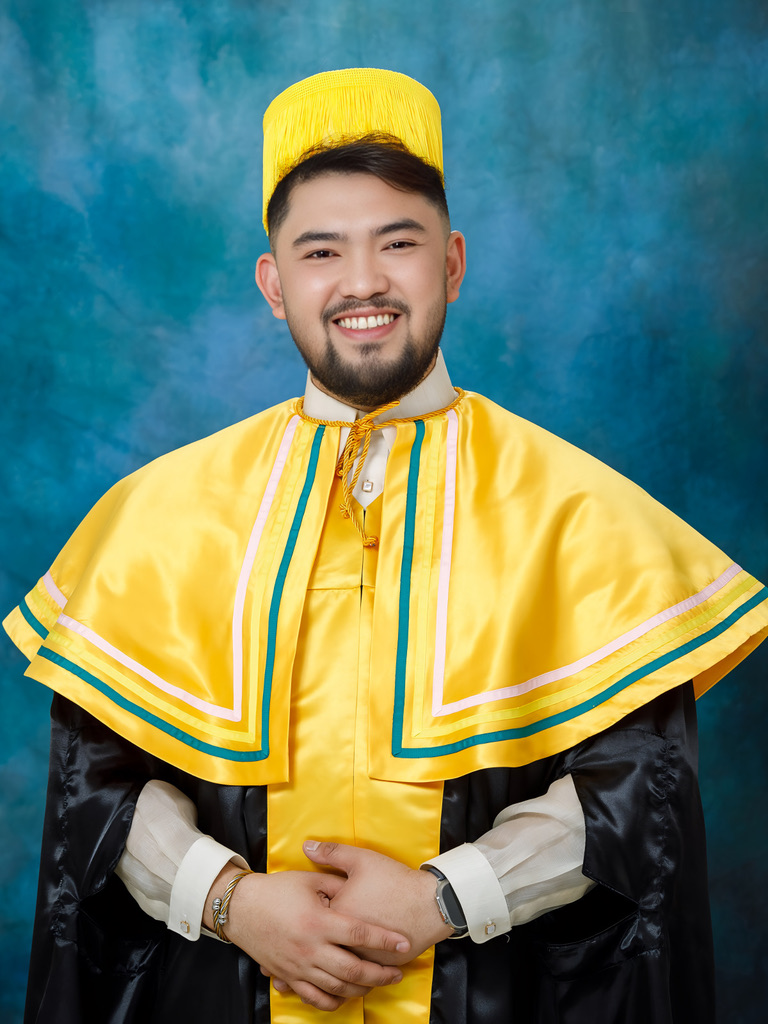
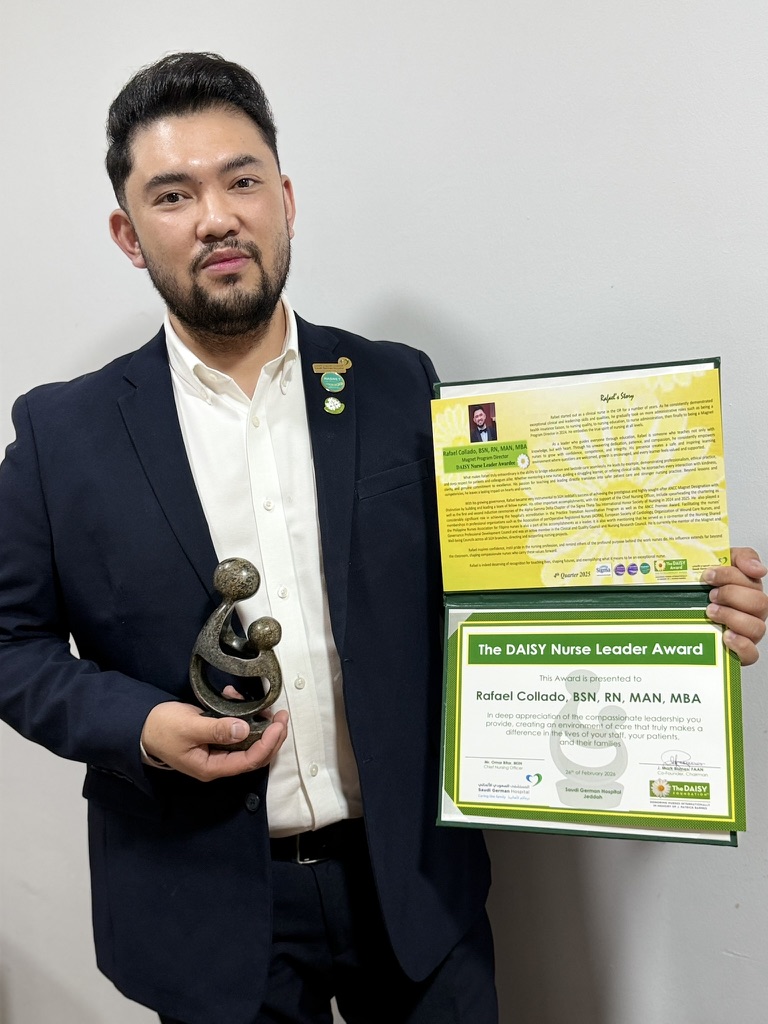
Then came the milestone he still describes with obvious pride. He served as acting chief nursing officer at SGH Jeddah, becoming both the youngest and the first male Filipino to lead the nursing organization there in that capacity. From there he moved into the machinery of nursing education, helping the organization earn dual American Nurses Credentialing Center accreditations — the first institution outside the United States to achieve that distinction, later crowned with the ANCC’s Premier Award. Between 2023 and 2025, working as academic coordinator with Batterjee Medical College, he helped secure ACEN accreditation for affiliated programs.

But the achievement he calls his proudest sits at the summit of the profession. He directed the hospital’s Magnet Program and led SGH Jeddah to become the first and only Magnet with Distinction hospital outside the United States at the time of the award — a designation the American Nurses Credentialing Center reserves for the highest-performing Magnet organizations, and one that fewer than ten percent of eligible hospitals ever reach. Magnet, as he puts it, “is considered the gold standard for hospitals worldwide—the highest form of recognition any hospital can achieve.” That it happened under a Filipino’s leadership is not incidental to how he tells it. Today the system counts four Magnet-recognized hospitals, making it the only hospital network outside the United States to hold that many — the most recent, in Dammam, recognized in mid-2026.
The cost no one sees on the certificate
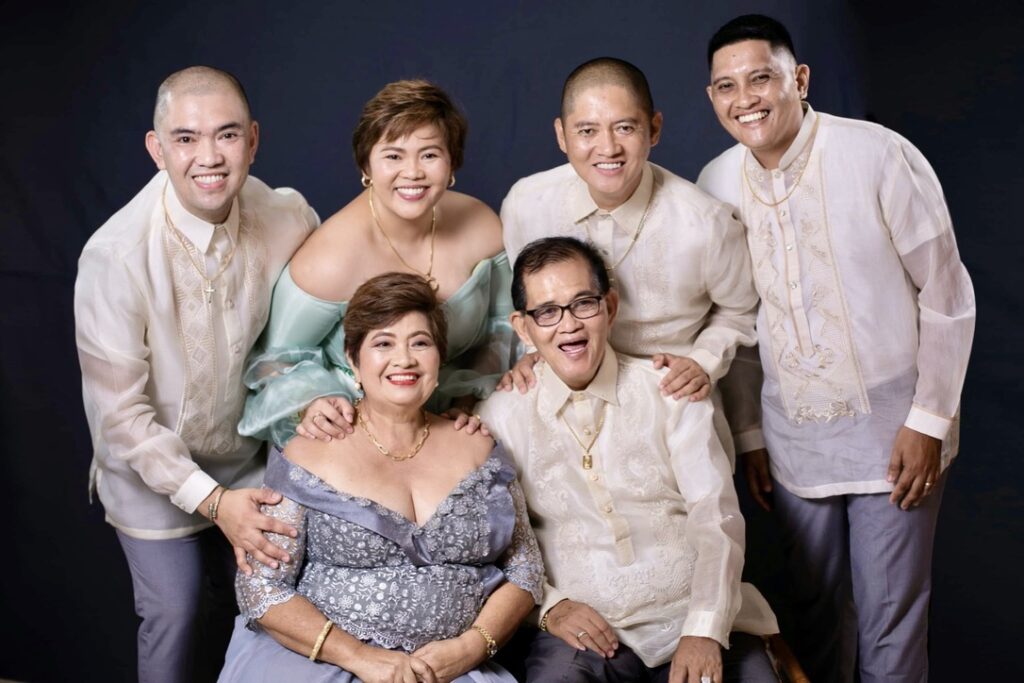
For all the momentum, the years abroad exacted a price that Rafael does not minimize. The hardest chapter came during his first vacation home, which he spent at his grandmother’s bedside as she battled cancer. She wanted to spend her final days at home, and the family took turns caring for her. He flew back to work, and then the call came from his sister. “Nanay” had passed.
The moment carries the strange, bittersweet symmetry of his whole trajectory. “At that very moment, while I was grieving alone in the OR equipment room, my supervisor called to inform me of my promotion,” he recalls — sorrow and career breakthrough delivered in the same instant. Months later, his grandfather fell critically ill with a cardiac condition. He rushed home again, only to learn mid-flight that “Tatay” had died too. He landed at NAIA to an outpouring of condolences and arrived in the province to find his grandfather still at the funeral parlor, his own father asking him to choose the best suit for the service.
He grieved quietly, often alone. “I often found myself quietly shedding tears in the early mornings during the wake, especially when no visitors were present,” he says. The loss was compounded by what these two people had meant to him. They were, he says, not only the family’s biggest fans but the inspiration behind his decision to become a nurse in the first place. He is certain they would be proud of how far the family has come.
The daily hardships of life as an OFW were smaller but relentless. There is no cushion for the ordinary crises. “Being an OFW comes with its own set of hardships; you are not allowed the luxury of being sick since there is no one to care for you,” he says. He remembers early struggles with the most basic domestic tasks — washing, ironing, and above all cooking — calling his mother and sister for simple recipes. In those lean first months, restaurant meals were beyond his salary, and he survived largely on chips and instant noodles. What steadied him, eventually, was not a bigger paycheck but a community of faith that gave him, in his words, “a profound sense of belonging and gratitude.”
What the work gives back
Ask him what he loves about the job now, and the answer isn’t the title. It’s the moment a nurse he has championed succeeds — an improvement project that works, a piece of research that lands, an act of exemplary patient care that gets seen. “One of the most gratifying parts of my work is witnessing and supporting the remarkable success stories that emerge from our nursing teams,” he says. His role sends him traveling between branches, immersing him in the organization’s many cultures, and it puts him in front of fellow Filipinos scattered across its sites. That, for him, is where the position turns personal.
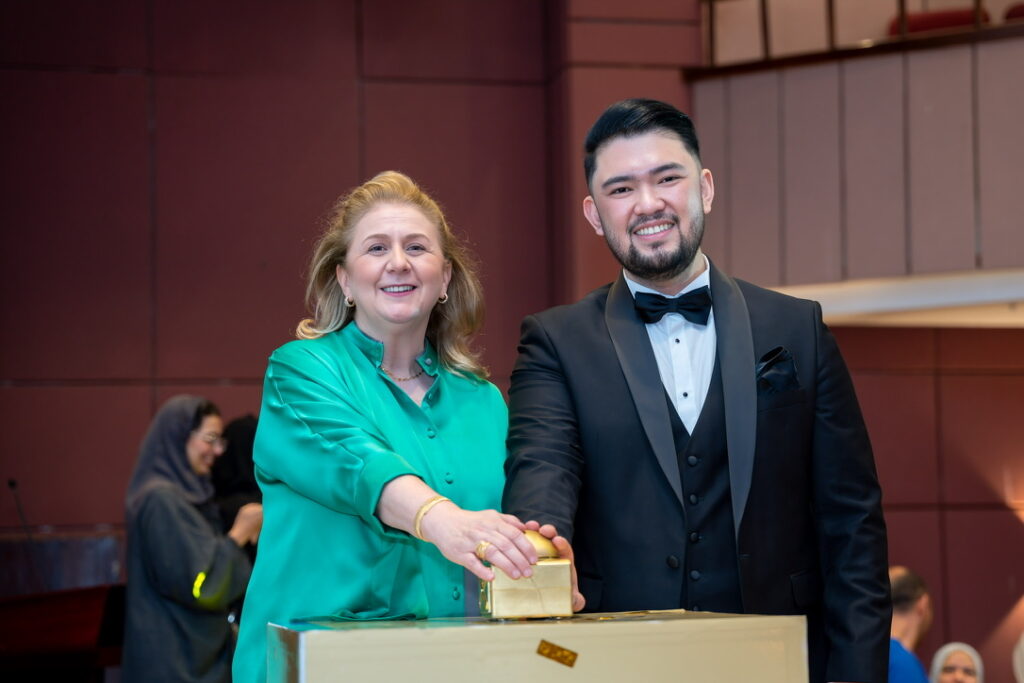
“As the first and only Filipino to hold this top corporate-level position, I am especially honored when I connect with fellow Filipino employees across different sites,” he says. “Seeing the pride and inspiration in their eyes is truly priceless.” He frames his own visibility as a kind of responsibility — a way of showing kababayans what is possible and pushing them toward their best work.
The freedom of working abroad shaped him as much as the recognition did. He talks about the equal footing he found overseas, where contributions are weighed on merit rather than background, and about an independence that let him grow more self-reliant and confident, “no longer affected by the prying eyes or criticism of others regarding my life choices.” Fifteen years on, he credits the whole experience with letting him “grow into the best version of myself.”
His plans for the eventual homecoming are unhurried and clear. When his contract abroad ends, he intends to give his parents and family the time the years apart took from them, to travel, and to fold his nursing knowledge into community health work for underserved communities back home. He is also still building his own credentials — an MBA and MAN already earned, and a PhD candidacy underway at Kennedy University.
To the kababayans still finding their footing overseas, he offers something closer to conviction than advice. He leans on scripture, on the promise that trials pass and timing is not ours to dictate, and on a simple reframing of the daily grind. “At work, try not to take criticism personally; instead, use it as a tool for growth and improvement,” he says. “Each achievement is not just yours—it brings pride to your family, friends, and the entire Filipino community.” The man who never planned to leave home has made a career out of proving that the unplanned path, walked with enough persistence, can lead somewhere no résumé could have predicted.
