



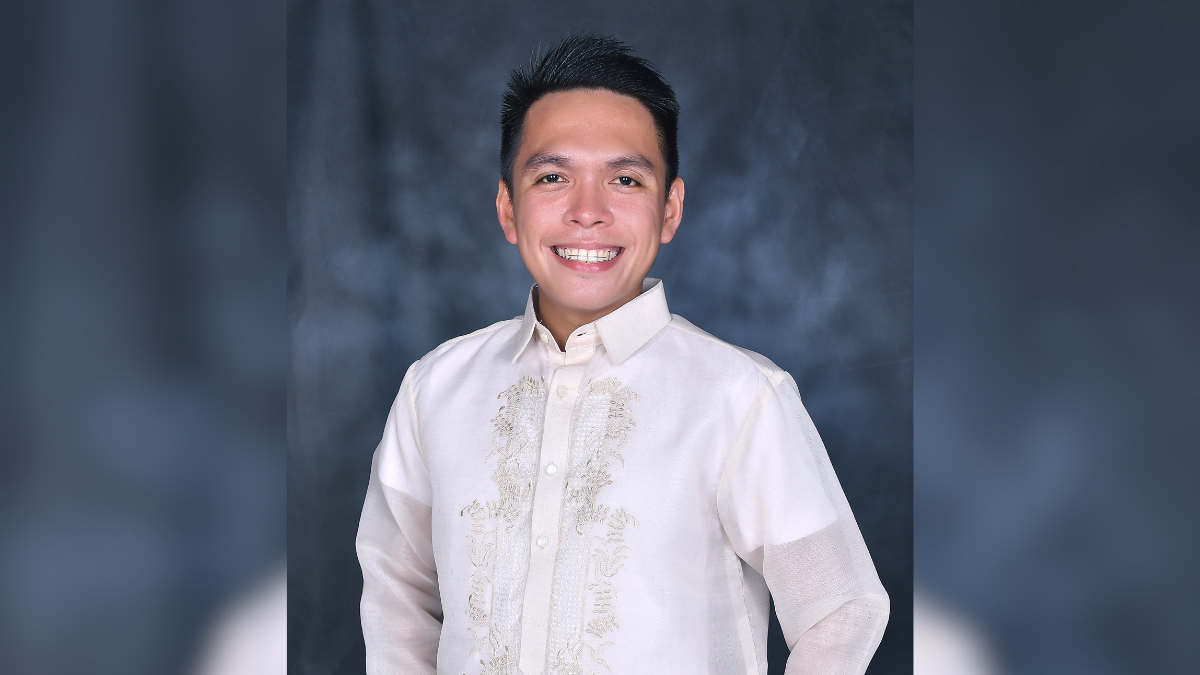

A teacher can spend years building systems on paper — professional-development programs, research models, capacity-building frameworks — and still not know whether any of it holds up in front of thirty children who don’t care about your organizational chart. That gap between theory and the classroom is where most education careers quietly stall. Sunday Vince V. Latergo, PhD, decided to walk straight into it.

At 32, the Filipino educator teaches third grade at Naco Elementary School District No. 23, a small K–8 district tucked against the Arizona-Mexico border. It is a long way from the division offices in Bacolod City where he once designed teacher-training systems, and that distance was the point.
“To become a truly effective educational leader, I needed firsthand experience in diverse classrooms beyond my home country,” he says. The move, in other words, was a deliberate step down from administration and back into the room where the actual work happens.
From the division office to the reservation school
Before the U.S., Sunday’s career in the Philippines read like a steady climb away from the classroom. He served the Department of Education’s Bacolod City division for a year in Planning and Research and three years in Human Resource Development, working as a Senior Education Program Specialist. He evaluated instructional quality, built professional-development programs, and led social mobilization efforts that connected public schools with community stakeholders to secure resources for students.
His teaching foundation ran underneath all of it — Cotcot Elementary School, Colegio San Agustin-Bacolod, and South Hills Academy. That grounding shaped how he approached policy. As he puts it, his classroom years “equipped me with the practical insights needed to design policies grounded in classroom realities.”
Then, on July 30, 2024, he arrived in the U.S. on a J-1 visa and started over — not in a comfortable suburban school but at Whiteriver Elementary, a remote reservation school. The socioeconomic pressures and cultural nuances there could have read as a rough landing. He chose to read them differently.
“Instead of viewing these challenges as obstacles, I treated them as an intensive masterclass in classroom management and culturally responsive teaching,” he recalls. The former administrator was, once again, a student.
A surgery, a support system, and a harder year than planned
Not every test was professional. While working in Arizona, he underwent surgery — and had to navigate an unfamiliar U.S. healthcare system while keeping his classroom running. It is the kind of ordeal that isolates people far from home, and he is candid that he did not manage it alone.
He leaned on other Filipino educators who had walked the same path. “I leaned on fellow Filipino educators who had walked similar paths, drawing strength from their mentorship and success,” he says. That network, more than any credential, is what he credits for getting him through.

The experience sharpened a conviction he now offers to other overseas Filipinos: take care of yourself first. “Many Filipinos carry deep responsibility for family and community, but you cannot pour from an empty cup,” he says. He pairs that with a push toward relentless self-improvement — “Don’t just work — evolve” — and an anchor in faith that he describes as central to his resilience.
Turning research into reading scores
The reason a border-town district got a teacher with a doctorate in educational leadership and management is that Sunday sees the two roles as one job. His ongoing research examines how personal and professional factors shape teaching performance, and he treats the classroom as the place to prove it out. “Education is an applied science,” he says — a line that functions as his entire operating philosophy.
At Naco, that philosophy has a name: the Cardinal Pride Initiative. Working the mini-grant circuit, he secured competitive funding to build Reading Nests and Math RTI centers — tiered learning environments aimed at students at very different skill levels. The results are what keep him in the field.
“Seeing students transition from struggling to proficient readers and watching Math scores rise because of targeted interventions affirms my belief that empowered educators can change lives,” he says. Beyond the classroom, he sits on the school’s HOPE Council and Site Council and takes part in the Arizona Initiative for Leadership Development and Research, where he continues the leadership training he could just as easily be delivering himself.
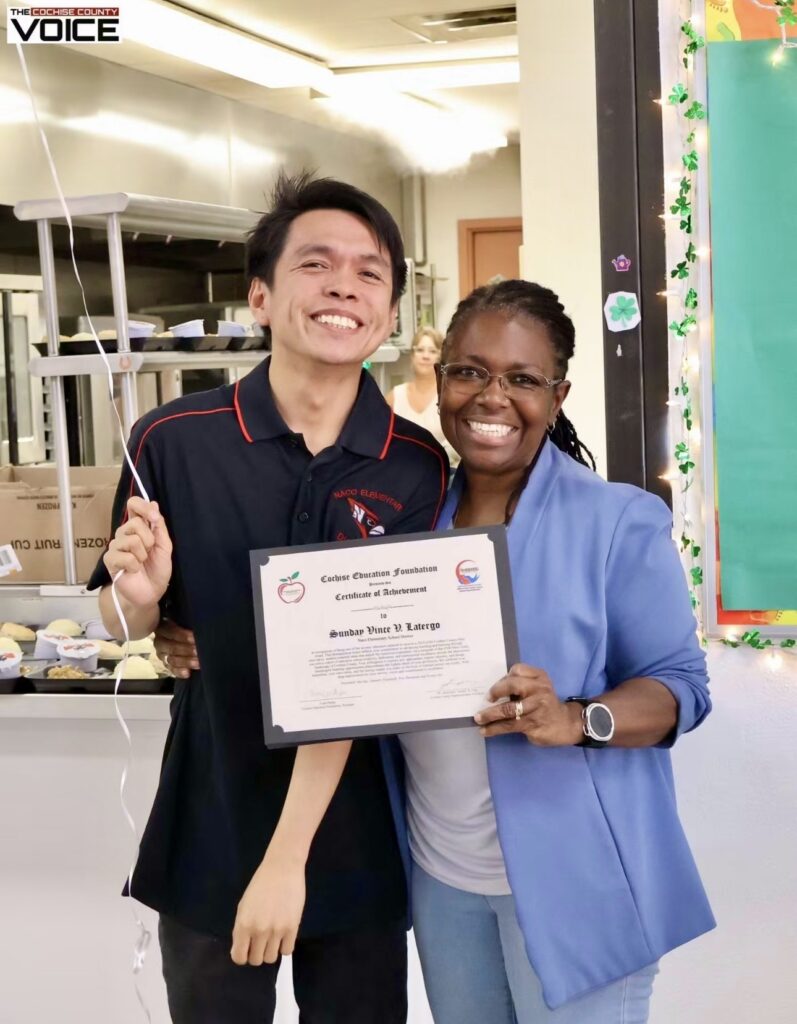
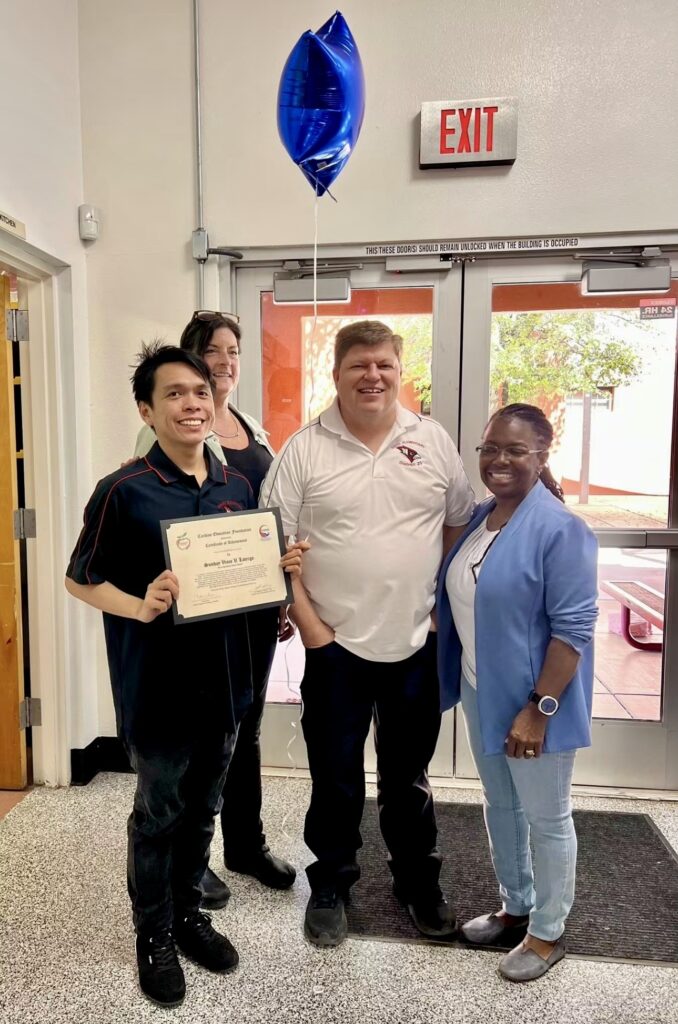
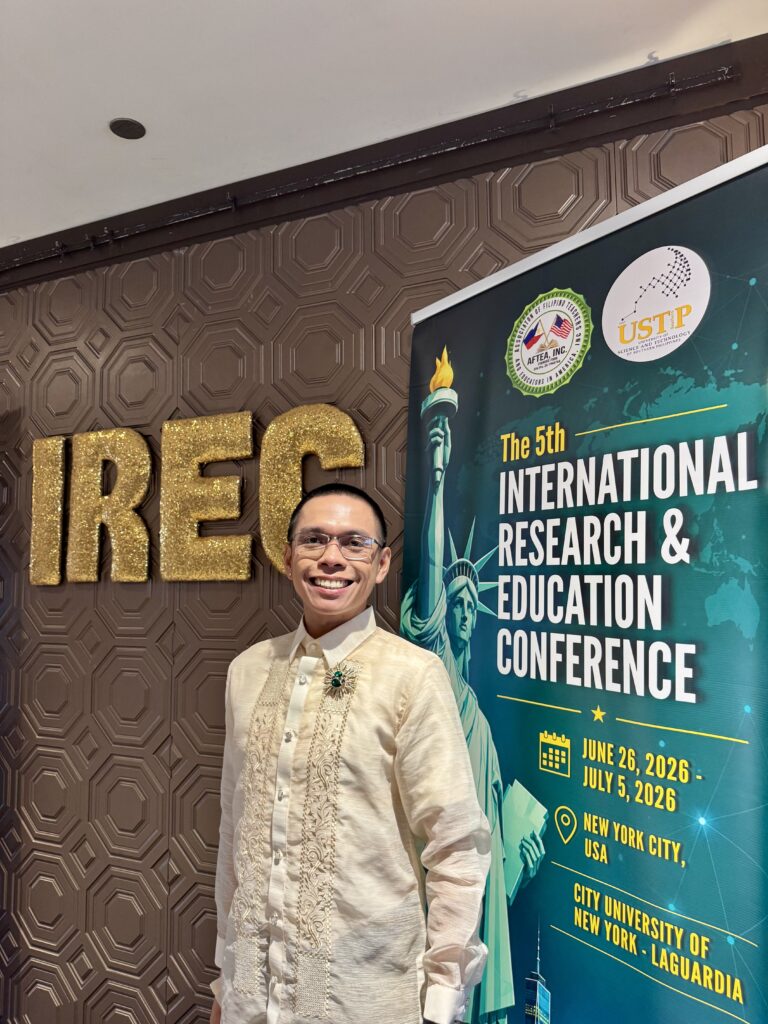
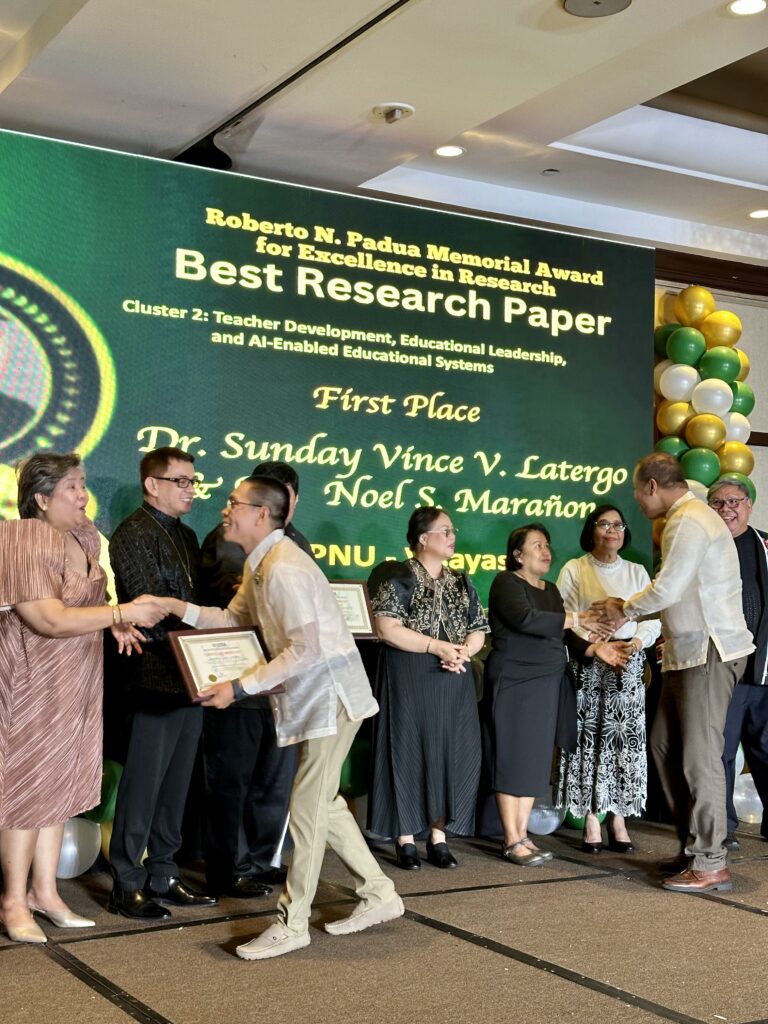
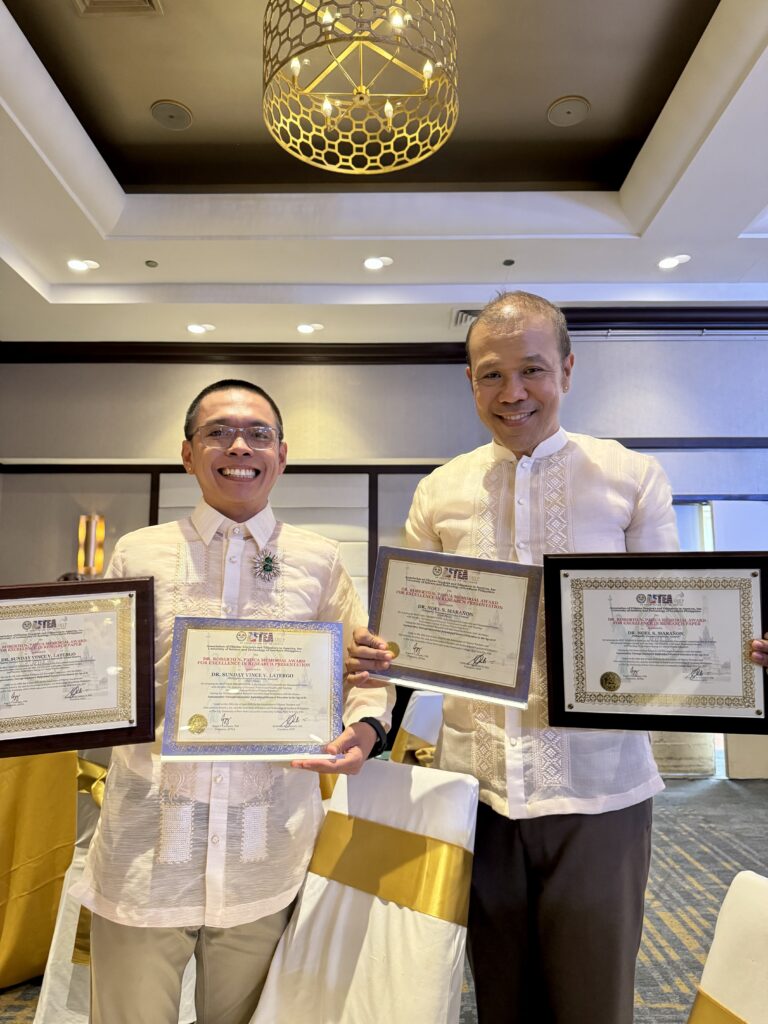
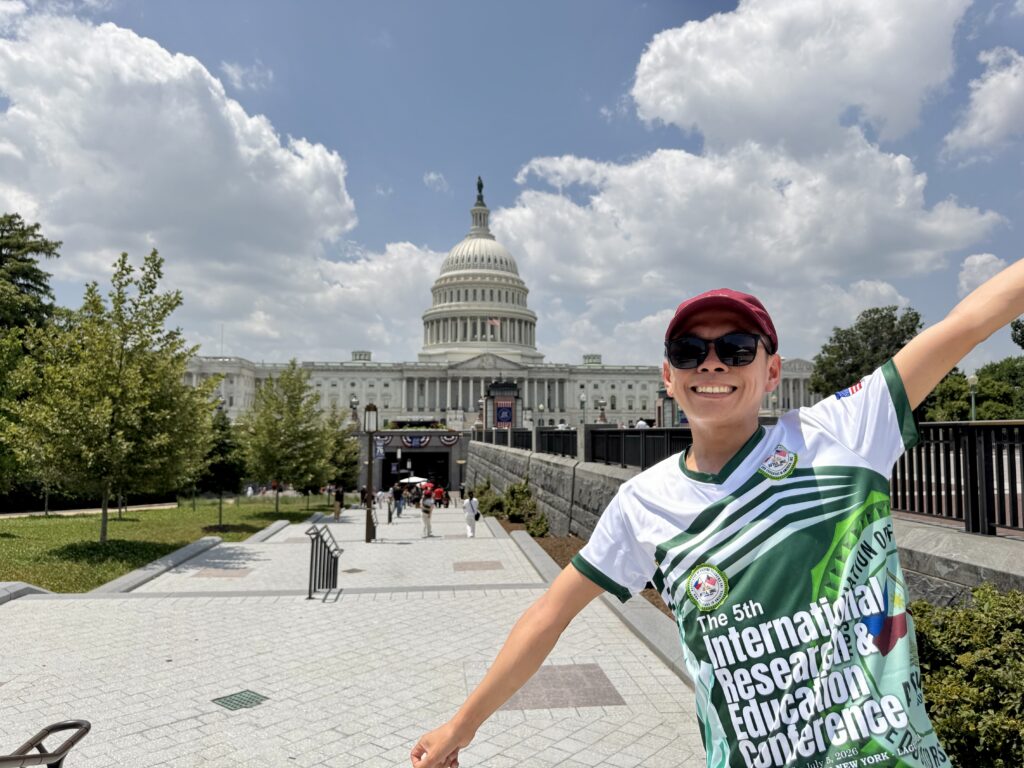
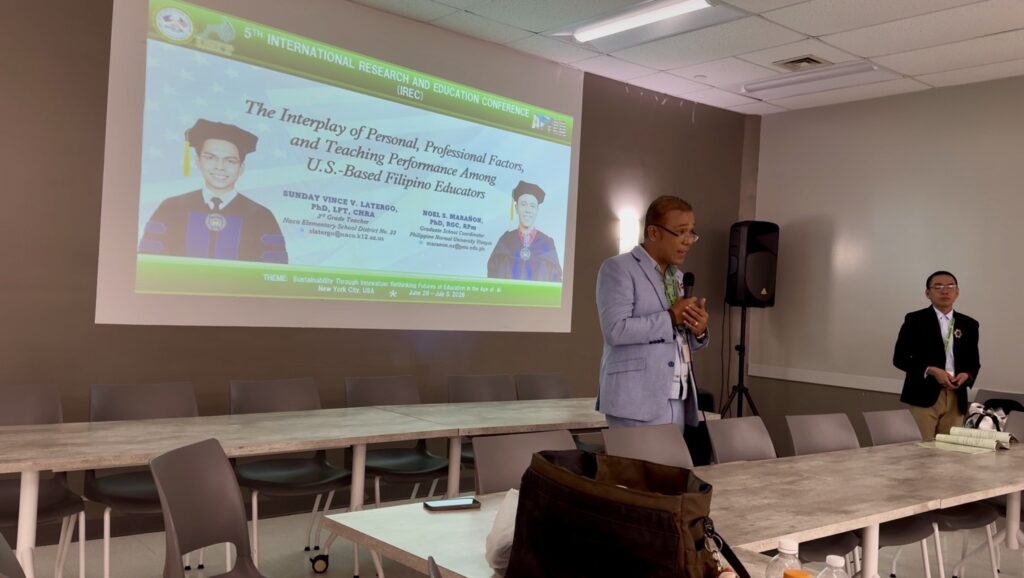
The recognition has followed. At the 5th International Research and Education Conference in New York City, he received the Dr. Roberto N. Padua Memorial Award for Excellence in Research and took first place for both Best Paper and Best Presenter for work on educational leadership and management.
The long way back to the Philippines
For all the Arizona milestones, the third-grade teacher is clear that this chapter has an expiration date and a purpose. The J-1 program is a detour with a destination, and the destination is home.
His plan is to bring the dual lens he has built — the systemic strengths of DepEd and the data-driven, student-centered methods of U.S. schools — back into Philippine policy, curriculum design, and teacher professionalization. The advocacy is specific: arm educators with evidence-based tools like RTI models and differentiated instruction, the same approaches he is now testing in a border-town classroom.
“I envision creating sustainable frameworks that ensure every Filipino child, regardless of background, receives a high-quality, globally competitive education,” he says. He left the division office to learn what a classroom could teach him. The frameworks he builds next will carry the answer.
