



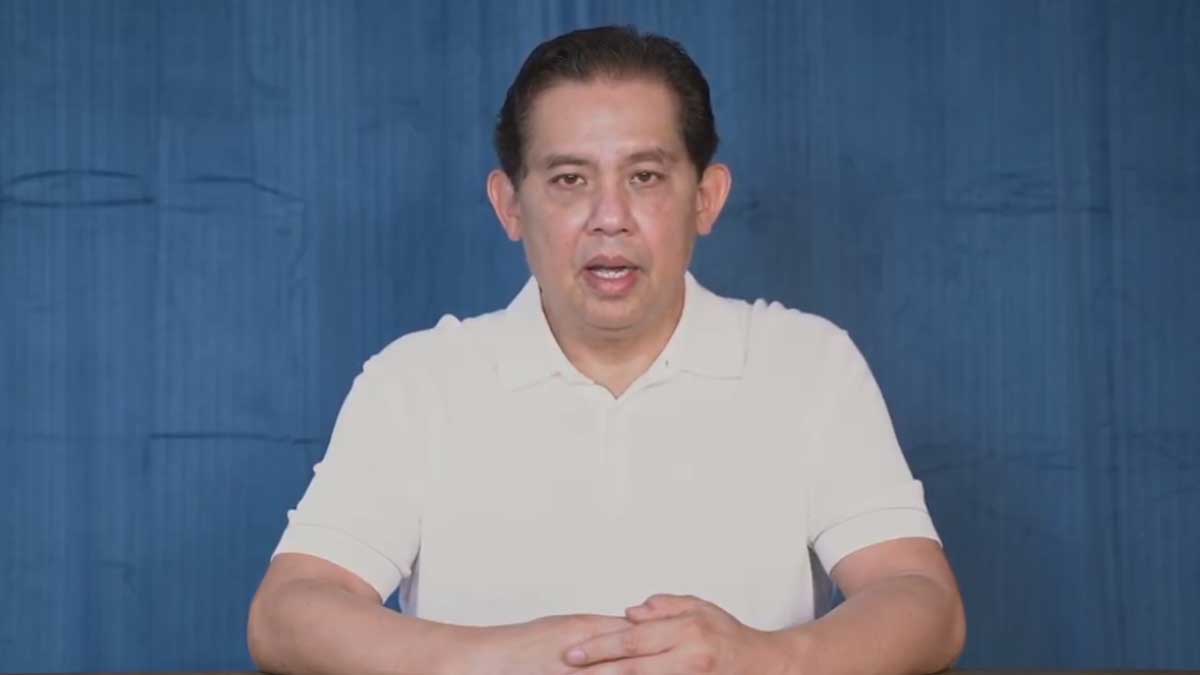

Only eight of the 18 former security personnel of ex-congressman Zaldy Co have given accounts solid enough for prosecutors to rely on, according to Assistant Ombudsman Mico Clavano, who said the rest offered little beyond generalities. “The others were broad statements, descriptions that were made in broad strokes,” he told reporters at a Thursday, July 2 briefing.

The eight cleared the bar after investigators sat down with each of the self-described bagmen and studied not just what they said but how they carried themselves. Clavano explained that the men’s descriptions of handing cash to former speaker Martin Romualdez and to Co struck the investigating team as believable and mutually reinforcing. “The investigators seem to find those narrational facts as they relate to the money being delivered to the former speaker and to Zaldy Co categorical and consistent. They are of the opinion that we can use it,” he said. Their statements are now slated to anchor the case being assembled against Romualdez.
That case, however, has stalled over paperwork. Clavano said the affidavits were meant to be signed by June 20, but the men’s counsel, Levito Baligod, sought a week’s extension and the signatures have yet to materialize. He placed responsibility squarely on the lawyer. “He (Baligod) seems to be delaying the signatures of the 18 Marines. That’s one of the things that is delaying the case also against the former speaker,” Clavano said.
On the other side of the fight, Romualdez’s legal team argued Thursday that the Ombudsman’s own moves undercut the accusations. Lawyer Elaine Atienza contended that admitting former public works chief Manuel Bonoan into the Witness Protection Program may have turned the Leyte lawmaker into a convenient target. “Rep. Romualdez is being portrayed as the convenient excuse and political scapegoat despite the absence of evidence linking him to the alleged anomalous projects. At the end of the day, justice demands only one standard,” she said.

Atienza pointed out that across earlier Senate and House inquiries into the flood control mess, not one current or former public works official had ever placed Romualdez in any part of the chain — planning, procurement, implementation, inspection, payment, or the release of funds for supposed ghost projects. She added that Bonoan himself never named the former speaker. “It’s very plain and simple – it’s because Rep. Romualdez was not involved,” she said.
She traced the entire controversy back to how the national budget is crafted, insisting the mechanism leaves no room for any single figure to steer it. “The issue traces back to the national budget process. In that process – no single person – not even the speaker of the House – can control.” Anyone who wielded real legal and operational authority over flawed projects, she said, is who should answer for them. “Accountability must follow the evidence – not political convenience,” Atienza said.
Co-counsel Ade Fajardo took aim at Bonoan’s credibility, calling him the “most polluted,” “very biased” and “not the least guilty” of those implicated. He said Bonoan should be ordered to give back the P1 billion in kickbacks that former public works undersecretary Roberto Bernardo — himself now a state witness — claimed the ex-cabinet official pocketed.
Fajardo said branding Romualdez the mastermind would require convincing the public that one man single-handedly ran every phase of the process, from drafting the budget to implementing projects and disbursing money. He also questioned Ombudsman Jesus Crispin Remulla’s reliance on Bonoan to build the case, noting that Romualdez’s name had simply never surfaced in the official’s earlier accounts. “It’s really very alarming, because even way before these events, the name of congressman Martin Romualdez has never been mentioned by secretary Bonoan,” Fajardo said.
