



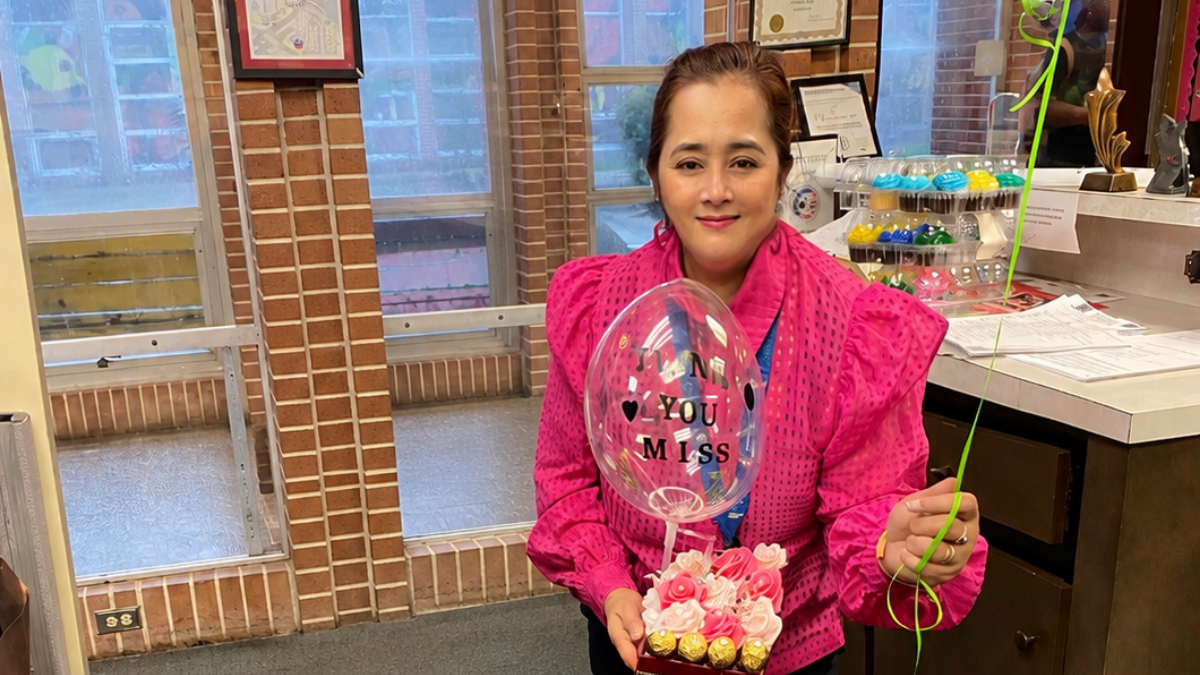

Four months. That’s how long Nur-Aisa Lee went without her family after landing in Houston in 2023 — long enough for the homesickness to start chipping at the confidence that had carried her through fourteen years of teaching back home. She had traded a Grade 4 classroom in Zamboanga for one in the largest school district in Texas, and in those first weeks, the trade didn’t feel obviously worth it. Two years later, she was the highest-appraised teacher in her school.

Fourteen years, then a leap
For most of her professional life, Nur-Aisa was a Grade 4 English teacher under the Department of Education in the Division of Zamboanga. Fourteen years is long enough to become an institution unto yourself — long enough to know every shortcut, every parent, every quirk of the curriculum. It is also long enough to wonder what else is out there.
“I wanted to expand both my professional and personal horizons,” she shares with TGFM. The pull wasn’t away from teaching but deeper into it. She was drawn to the idea of working “with students from diverse cultural and linguistic backgrounds” inside what she describes as “a high-performing educational system.” The Houston Independent School District — the largest in Texas, serving close to 200,000 students across more than 270 campuses — offered exactly that scale of challenge.

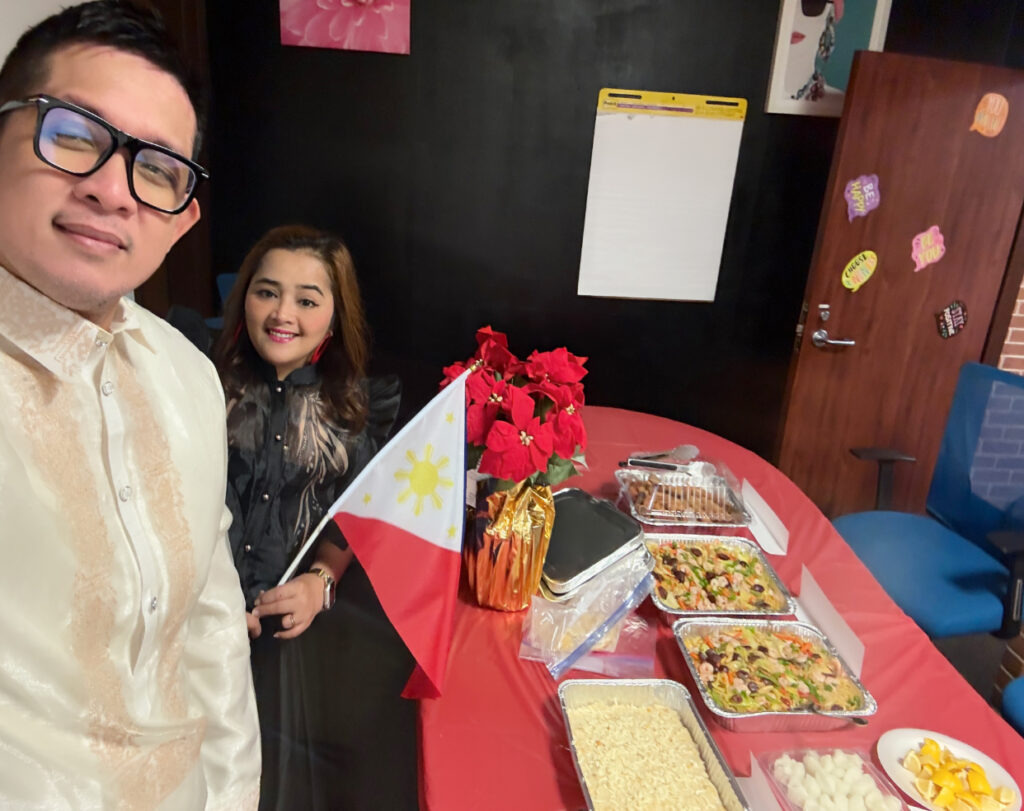
So she took the leap. Her first overseas posting was as a self-contained Kindergarten teacher, a world away from the fourth graders she’d taught for over a decade. Today she teaches 4th Grade Math, the kind of full-circle return that suggests she found her footing fast.
What recognition looks like up close
The family reunion was the hinge. Her people joined her in Houston just four months after she arrived, and the relief in how she describes that stretch is unmistakable — the homesickness had a deadline she could finally see. “At first, I experienced feelings of uncertainty and homesickness, which sometimes affected my confidence and ability to connect with others,” she admits. Once her family was settled near the Texas Medical Center, the professional momentum followed.
For two consecutive years she has served as Team Leader for her grade level, aligning curriculum and planning instruction alongside colleagues. She sits on the School Decision-Making Committee, where the work moves beyond her own classroom into budgets, staffing, and the school’s improvement plan. She has led demonstration lessons for incoming teachers, the ones still figuring out where the grocery store is.

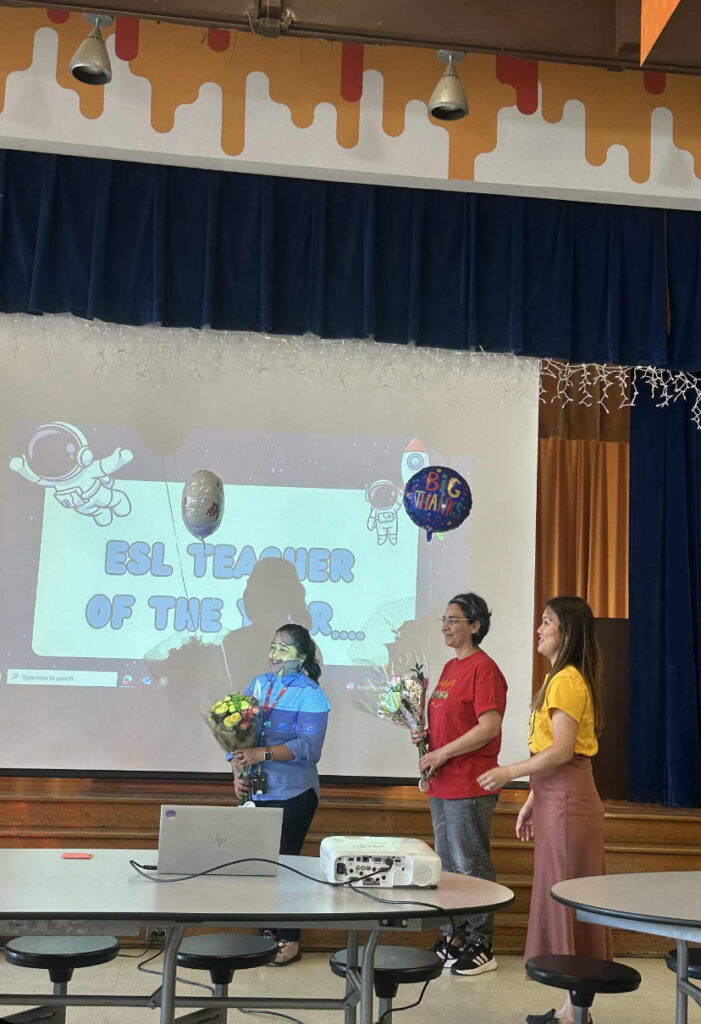
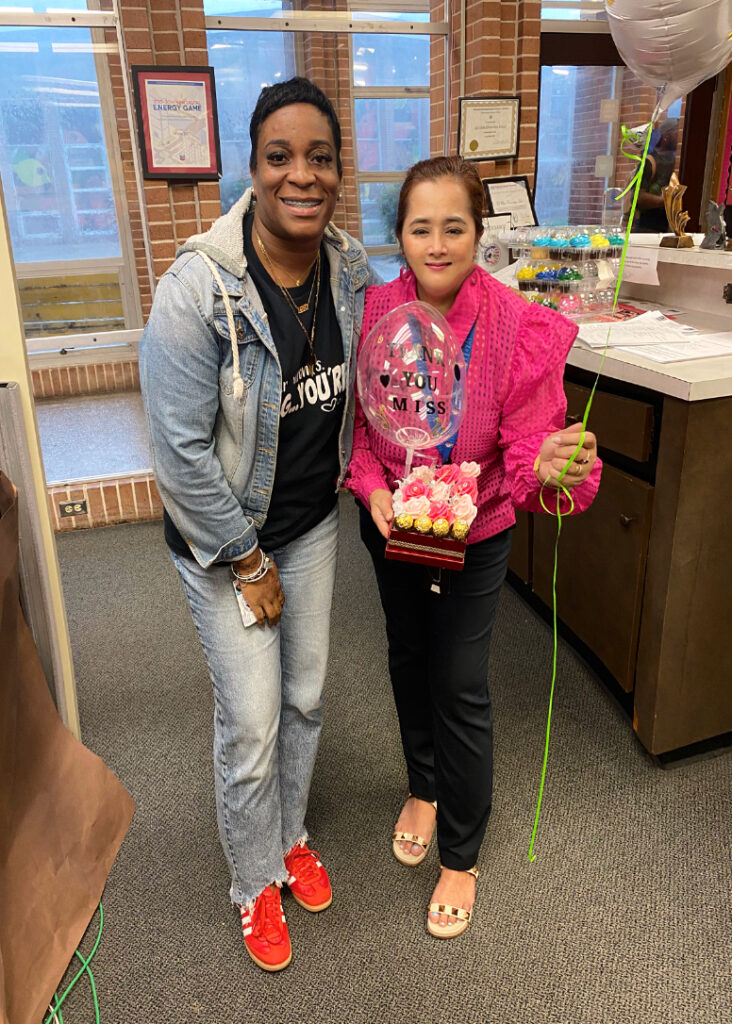
The accolades arrived in a cluster. She was named her school’s ESL Teacher of the Year for 2024–2025, featured in the district newsletter as a Highlighted Teacher of the Month, and ranked as the highest-appraised teacher on her campus. But what she returns to isn’t the trophy case. “It is an honor to have educators and district personnel seek opportunities to observe my classroom instruction and learn from my teaching practices,” she says. The recognition she values most is the kind that turns her classroom into a model other teachers walk into to study.
That distinction matters to her. Plenty of teachers are praised; fewer become a place where colleagues come to learn. For Nur-Aisa, being observed is not pressure but proof — evidence that the leap was worth it.
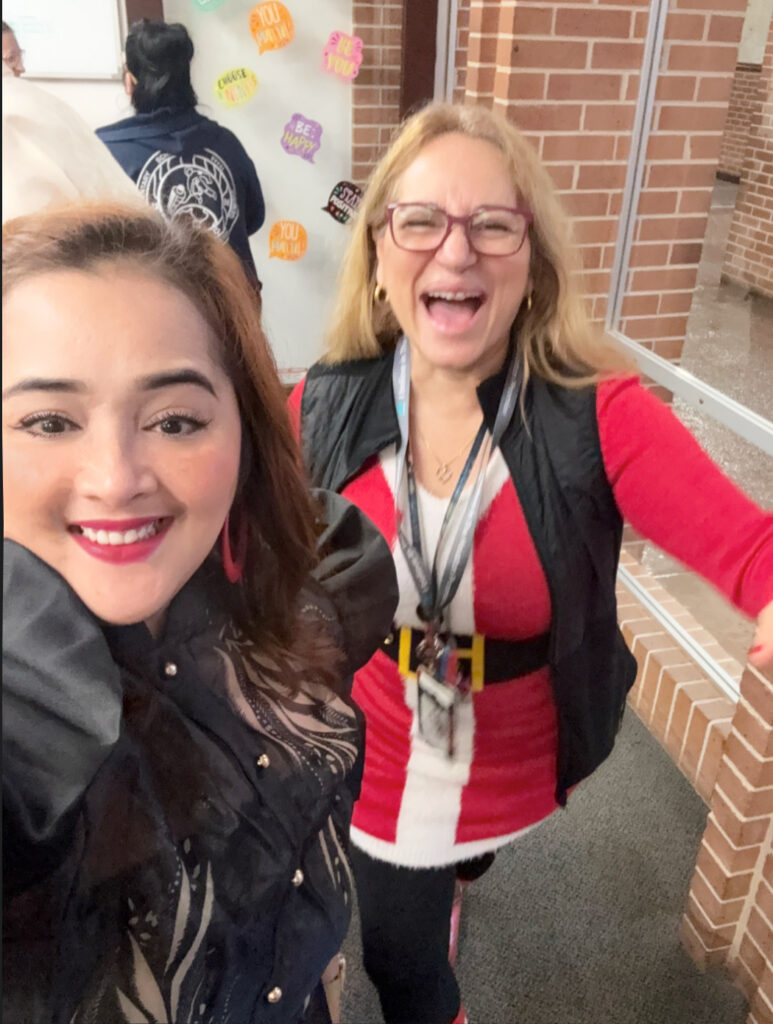
The part that never changes
For all the leadership titles and appraisal scores, the center of her work has stayed exactly where it was in Zamboanga. “The greatest reward, however, remains seeing my students grow academically and personally, knowing that I have helped make a lasting difference in their lives,” she says. The setting changed; the reason did not.
She is clear-eyed about what working abroad has given her — cultural exposure, sharper adaptability, the experience of building something with diverse teams — and equally clear about what it has required. Her advice to fellow Filipinos navigating the same uncertainty is grounded rather than sentimental. “Challenges in the workplace can become opportunities for growth when approached with a positive attitude,” she says, framing difficulty as raw material rather than obstacle.
Looking ahead, she wants to mentor. She talks about leadership roles that let her develop other educators, about programs supporting “education, skills development, and cross-cultural understanding, particularly for young people seeking opportunities for growth and international exposure.” It is, in essence, a plan to become for others what she once needed for herself.
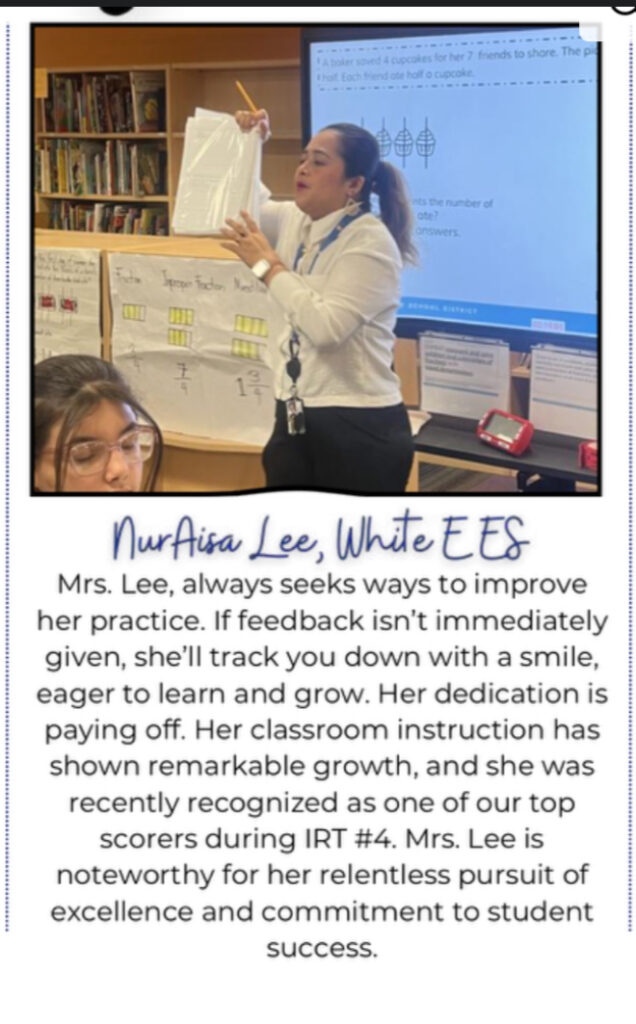
Her closing thought lands less as advice than as something handed down. “No matter where you are in the world, never forget your roots, take pride in your Filipino identity,” she says, “and remember that every sacrifice and effort you make today can contribute to a better future for yourself and your family.”
She left an ocean behind at an age when many people stop reinventing themselves — betting that the difficult road and the beautiful destination were the same road. The appraisal scores say the bet paid off.
