



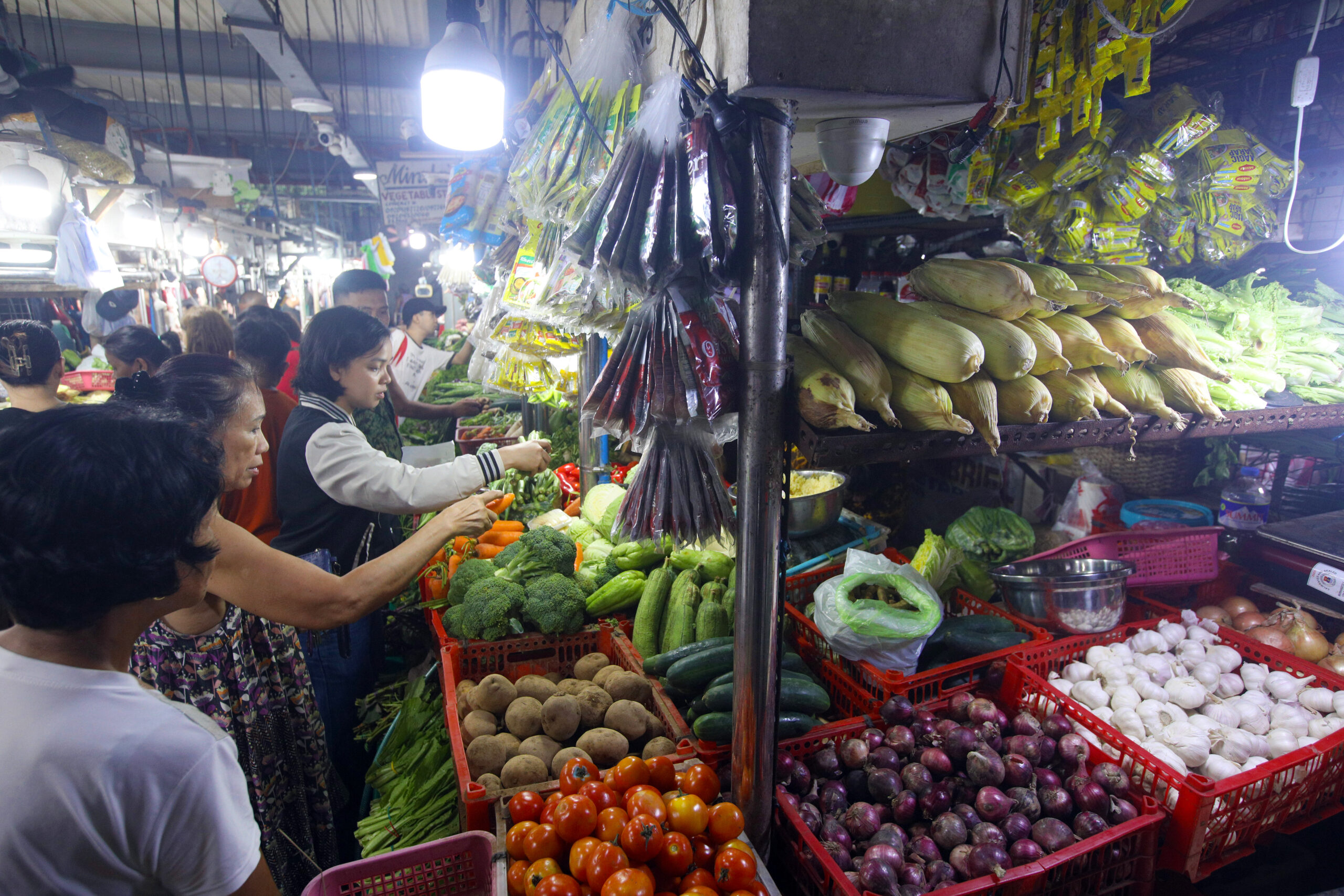

Economic pressures are shaping public expectations, with employment, income, and the cost of basic goods emerging as the issues Filipinos want the government to address most, based on two separate surveys conducted in March.

Data released by WR Numero on May 1 showed that 63% of respondents identified job creation and livelihood as a top priority, while 49% pointed to the need for higher wages. Meanwhile, results from OCTA Research’s Tugon ng Masa poll indicated that 45% of Filipinos viewed inflation, or the increasing prices of goods, as the country’s most pressing concern.
Although wages remain a significant issue, OCTA noted that respondents are placing greater emphasis on purchasing power. The firm observed that Filipinos are now “more concerned with what their income can buy than with wages alone.”
WR Numero’s findings also reflected a notable surge in concern over employment. Compared with its November 2025 results, the proportion of respondents prioritizing jobs and livelihood rose by 41 percentage points, while concern over wages increased by 15 points. Lowering the prices of essential goods was identified by 26% of participants.

Concerns about corruption also appeared in both surveys. OCTA recorded 26% of respondents citing graft as a key national issue, a slight decline from the previous quarter. In WR Numero’s poll, 32% selected addressing corruption and wrongdoing in government as a priority.
Additional issues were also flagged in WR Numero’s broader questionnaire. Fighting illegal drugs was chosen by 40% of respondents, followed by crime at 14%, poverty at 12%, and ensuring fair law enforcement at 10%. Smaller portions of participants mentioned tax reduction, disaster preparedness, protection for overseas Filipino workers, and the legalization of same-sex marriage.
The two surveys used different methodologies. OCTA asked respondents to name a single most urgent national concern, while WR Numero allowed participants to select up to three priorities from a list.
OCTA said its findings represent a “pre-shock baseline,” as the survey was conducted before the full effects of rising oil prices in the Middle East were felt on consumer costs.
