



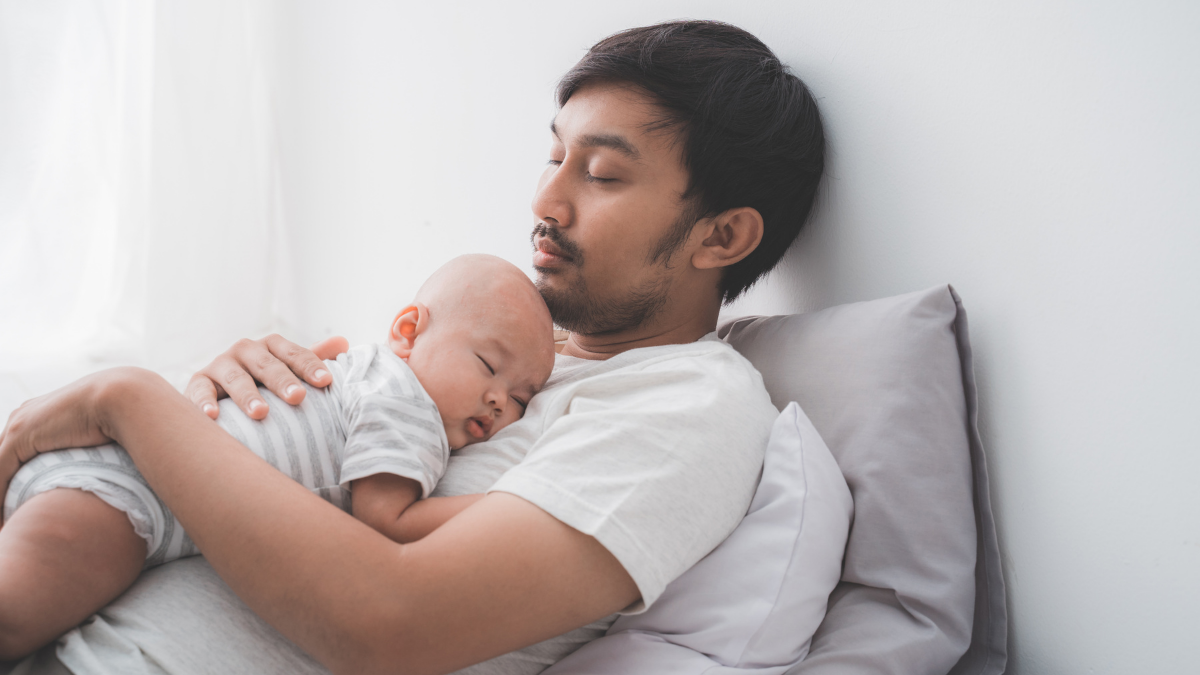

A father raising his child alone while his wife works overseas as a domestic helper may qualify for legal protections and benefits under Philippine law — including paid parental leave, cash subsidies, and consumer discounts.

Republic Act 11861, or the Expanded Solo Parents Welfare Act of 2022, broadened who counts as a solo parent under the original RA 8972 passed in 2000. Among those now explicitly covered: a spouse or family member who has shouldered exclusive parental responsibility for at least 12 continuous months because the other parent is an overseas Filipino worker.
The Public Attorney’s Office, responding to a query from a reader identified only as “Isla,” confirmed that fathers in this situation qualify. “You are considered a solo parent under RA 11861, considering that your spouse is an OFW and you have assumed sole parental care and responsibility over your child for at least 12 months,” the PAO said in its Dear PAO column published by The Manila Times.

The law’s definition of solo parent extends beyond OFW-related circumstances. It also covers individuals raising children alone due to a spouse’s death, detention of at least three months, physical or mental incapacity, legal or de facto separation lasting at least six months, annulment or nullity of marriage, abandonment of at least six months, or in cases where a child was born as a result of rape and the mother raises the child independently. Unmarried parents, guardians, foster and adoptive parents raising children alone, relatives within the fourth degree of consanguinity or affinity who step in due to parental absence or death, and pregnant women who will assume sole parenthood at birth are also included.
Qualified solo parents who have rendered at least six months of service with their employer are entitled to seven working days of parental leave per year — noncumulative and nonconvertible to cash. Those earning at or below minimum wage, classified as indigent, are also entitled to a monthly cash subsidy of ₱1,000. A separate benefit covers purchases of essential child-rearing items — milk, food, supplements, and diapers — which carry a 10% discount and VAT exemption until the child turns six.
RA 11861 was signed into law on January 24, 2022, amending the original Solo Parents’ Welfare Act that had been in effect for over two decades.
