



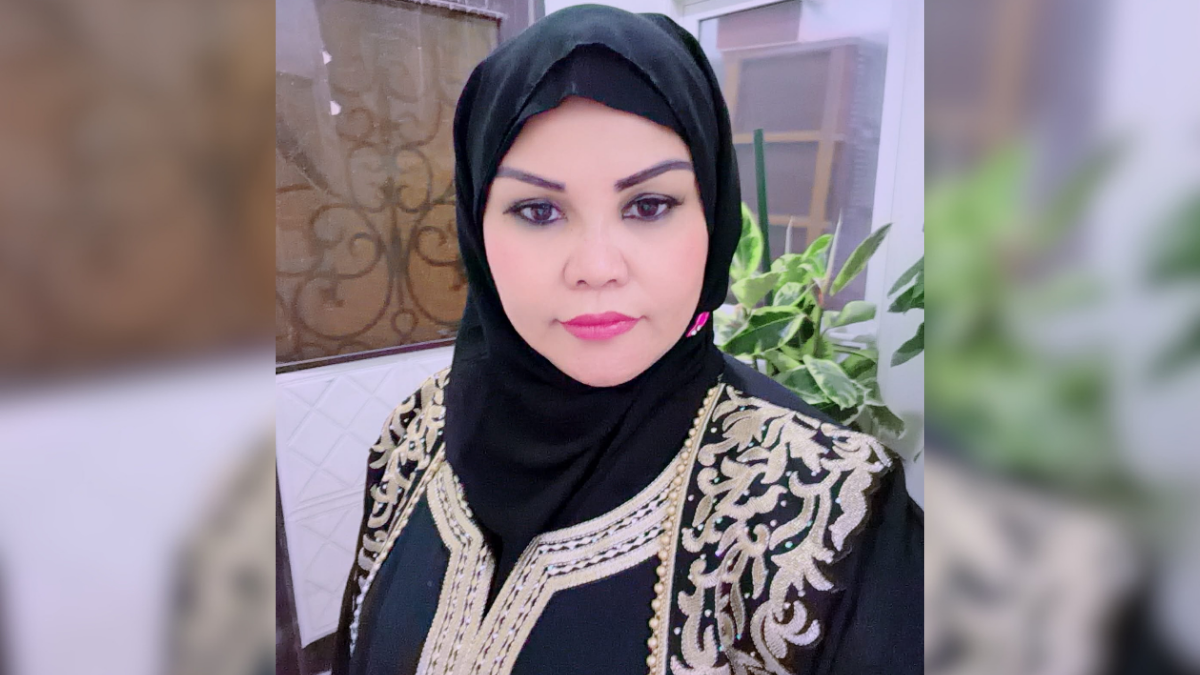

She arrived in Saudi Arabia the way most overseas Filipino workers do — with a bag, a prayer, and a number in her head that had to be enough. Ma. Grace Balasabas Siliacay was a single mother of five when she boarded that flight in 2010, not chasing a dream so much as running toward survival. Sixteen years later, she manages her own healthcare company in Riyadh, runs a school for caregivers, and owns a restaurant and salon — all built from a monthly wage that barely cleared SR3,000.

A caregiver who learned to care for herself

Grace’s first job in Saudi Arabia was tending to an elderly patient in an Arabian household. It was quiet, demanding work — the kind that leaves little room for ambition. Back home in the Philippines, she had juggled a water refilling station, a clothing boutique, and whatever buy-and-sell she could manage. None of it was enough. “I can’t let them starve,” she recalls thinking, referring to her five children. Going abroad wasn’t a choice so much as a reckoning.
When her patient passed away in 2012, Grace stood at a crossroads that most OFWs dread: no employer, a foreign country, and a salary that was already spent. But instead of booking a flight home, she made a pivot that would redefine her life. She began marketing home care services on her own. Slowly, then decisively.
Building from scratch, one patient at a time
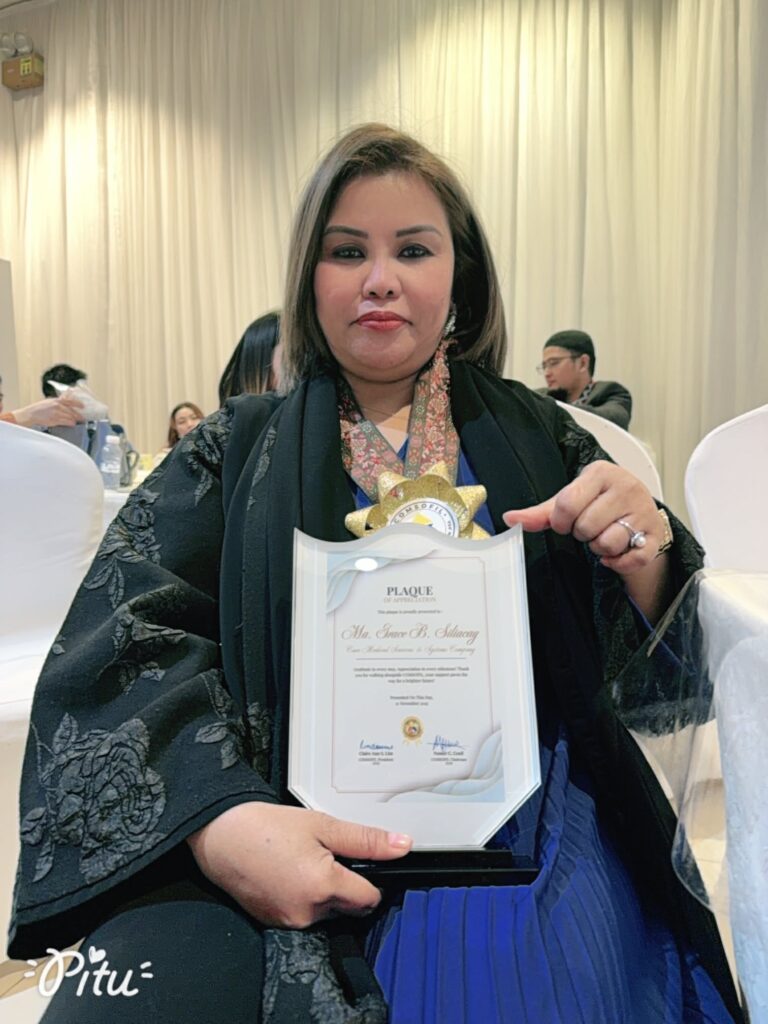

By 2013, her informal homecare operation had already doubled her income — from SR3,000 to SR7,000. “I don’t have an idea that my homecare would become a successful one,” she says, with a candor that makes the achievement land harder. Care Medical System Services grew organically, built on referrals and reliability, and Grace grew with it — from worker to founder to manager, a title she holds to this day.

The company is now, by her description, “the heart of healthcare in Riyadh.” What started as one woman filling a gap left by her patient’s death has become an institution serving the broader Filipino community. Grace opened a school offering caregiver and assistant nurse training, giving other Filipinos the credentials she once lacked. The restaurant and salon followed — practical ventures rooted in a genuine desire to create spaces where her kababayans feel at home.
Still in the fight, still showing up
Grace speaks openly about betrayal — a trusted person who turned envious as her success became undeniable. She doesn’t dwell on it. “I still have good friends always around me,” she says, “and now I’m still here helping those Filipino workers in Riyadh.” It reads less like forgiveness and more like focus.

Her mantra — Strength. Hope. Courage. — isn’t decorative. It’s operational. She plans to return to the Philippines eventually, carrying with her the intention to establish a small hospital and transition into mentoring the next generation of globally minded professionals.
To fellow OFWs navigating the grind, her advice is direct: “Magpakatatag po tayo. Spend wisely. Be kind, be patient, be low profile — and don’t forget to pray every day.”
