



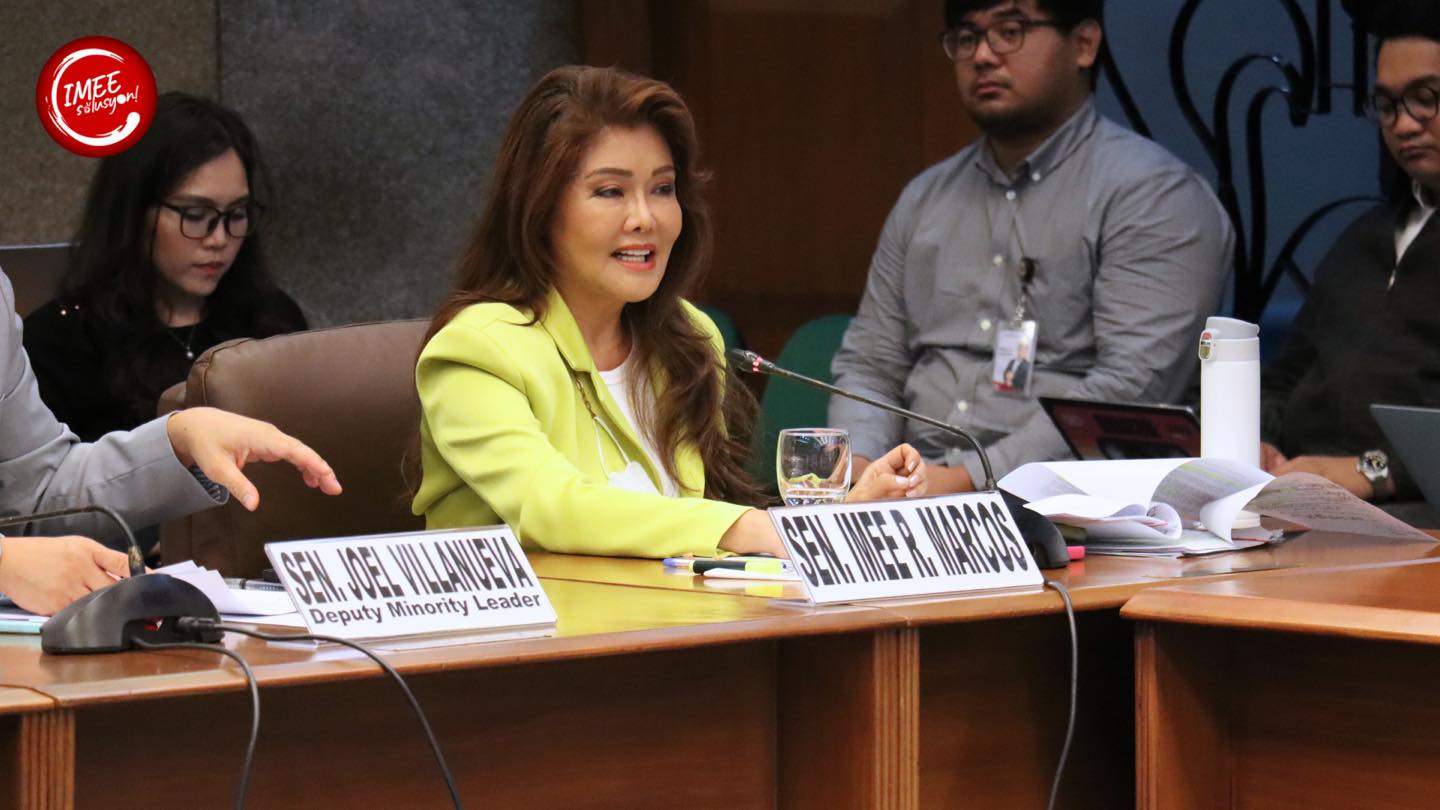

A Senate measure pushing to reschedule next year’s Barangay and Sangguniang Kabataan Elections away from the All Souls’ Day holiday period is now before the chamber, with its author arguing the timing creates an undue burden on voters already squeezed by rising costs.

Senate Bill No. 2067, filed by Senator Imee R. Marcos, proposes moving the November 2026 BSKE to October 2027, citing the overlap with one of the Philippines’ most widely observed commemorations as a practical barrier to participation.
“The oil crisis has triggered significant increases in transportation fares, creating a serious risk of disenfranchisement, especially for voters registered outside their residence and marginalized sectors already struggling with the cost of living,” Marcos said.
Peak travel demand during the observance period typically drives fares higher, and Marcos said that dynamic could effectively price some voters out of casting their ballots — particularly those who would need to travel back to their home provinces where they remain registered.
A postponement, she argued, would also give those voters a window to transfer their registrations closer to their current residences, reducing the need for costly long-distance travel on election day.

Beyond logistics, Marcos pointed to the financial weight of staging the elections themselves. The Commission on Elections has pegged the cost of the BSKE at ₱16 billion — a figure she said does not yet account for the additional budgetary requirements of the Philippine National Police, the Department of Education, and local government units tapped to support poll operations.
“These funds may be better directed toward urgent needs such as economic relief, basic services, and crisis response,” she said.
“All Souls’ Day is important for Filipinos to pay their respects to the dead, but because of increasing travel expenses, it may discourage others to go home, let alone to vote,” Marcos added.
Marcos framed the delay as a measure to preserve rather than weaken local democratic participation, saying barangay officials who remain in post through the transition period would be better positioned to attend to community needs during a period of economic strain.
