



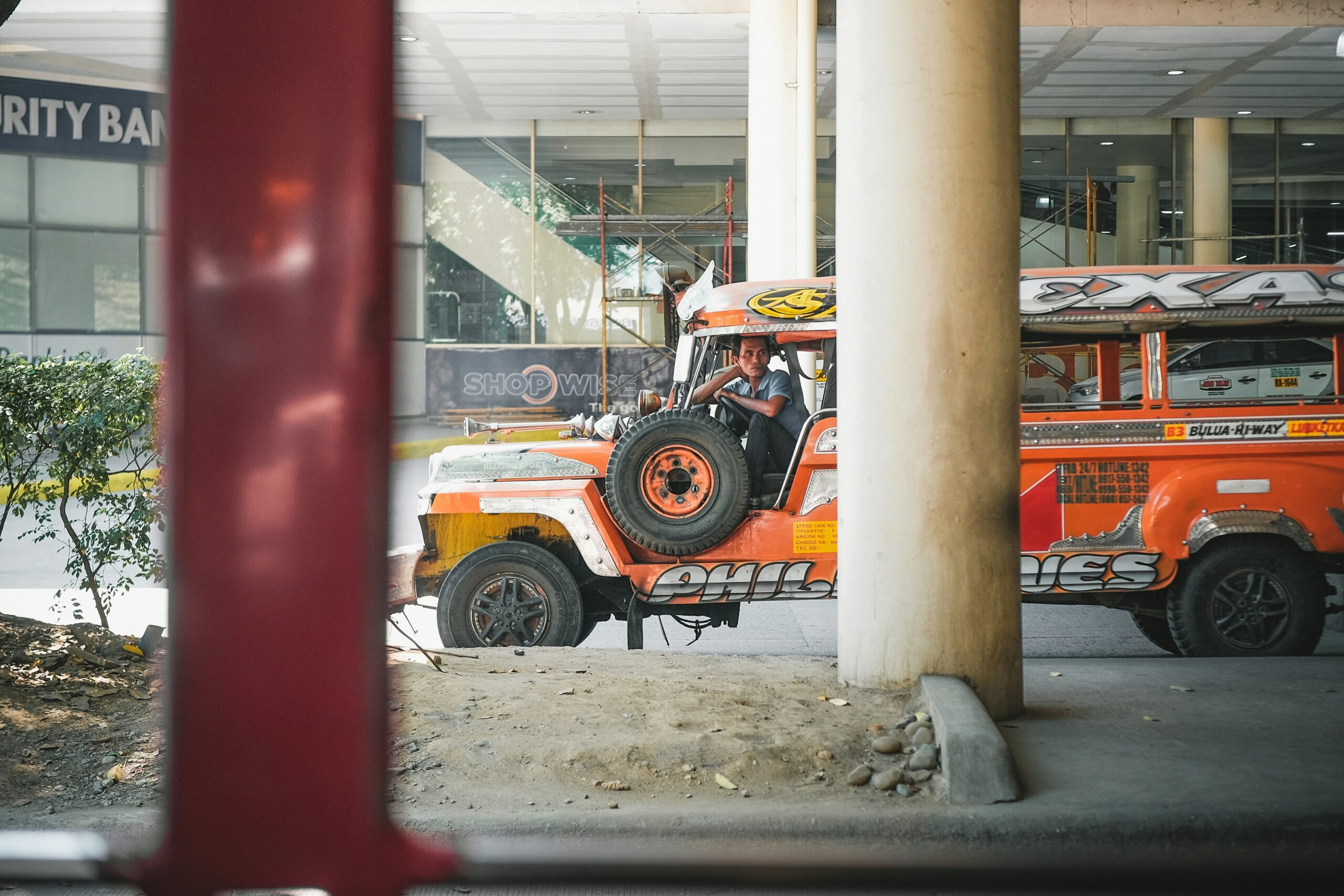

With diesel prices in Metro Manila still hovering between P148.90 and P155.20 per liter as of April 7, three opposition lawmakers are questioning whether the Marcos administration’s newly announced fuel subsidy program does anything close to what transport workers actually need.

Reps. Antonio Tinio of ACT Teachers, Sarah Elago of Gabriela Partylist, and Renee Co of Kabataan Partylist broke down the numbers in a joint statement issued Friday, April 10: a P10-per-liter subsidy capped at 150 liters weekly translates to roughly P300 a day per jeepney — or around P6,000 a month. Against fuel costs that have more than tripled since late February, the bloc said that figure amounts to little more than a symbolic gesture.
They labeled it “consuelo de bobo” — a Filipino expression for hollow comfort offered to placate rather than resolve.
The lawmakers said the deeper problem lies in the government’s continued collection of billions in excise taxes and VAT on petroleum products — levies that remain in place even as pump prices have reached levels that are straining commuters, small transport operators, and the supply chains that move basic goods.
“We are alarmed that the Marcos Jr. administration appears to be abandoning any plan to suspend excise taxes on petroleum, and is instead leaning on a limited package centered on a P10-per-liter subsidy,” the bloc said.
The Makabayan members estimated the subsidy would cost the government between P4.8 billion and P5.2 billion over four months. They contrasted that with figures from the IBON Foundation showing oil company windfall revenues reached P47 billion in March alone — a single month.
President Ferdinand Marcos Jr. announced the subsidy alongside a service contracting program for public utility vehicle drivers in a video message Thursday. He made no reference to the excise tax suspension law that Congress passed and he signed on March 25, which grants him authority to reduce or suspend fuel excise taxes when Dubai crude oil surpasses $80 per barrel for a sustained period. Dubai crude is currently trading near $117 per barrel — well above the threshold — yet Marcos has said publicly that he is waiting for the “best time” to invoke the measure.

That delay has drawn criticism from lawmakers outside the opposition as well. Sen. Bam Aquino said at a Senate hearing earlier this week that the suspension should have been activated at least two weeks ago. Palace Press Officer Claire Castro confirmed that the Development Budget Coordination Committee submitted its recommendation to the president on April 7, but Malacañang has not disclosed what it recommended or whether any decision has been made.
Finance officials have framed the hesitation in fiscal terms: a full excise tax suspension running from May through December could cost the government an estimated P136 billion — comprising roughly P121.4 billion in foregone excise revenue and P14.6 billion in reduced VAT collections.
The Makabayan bloc rejected that framing. Their statement argued that excise taxes and VAT on fuel are regressive by design, landing most heavily on the lowest-income Filipinos — commuters and small operators with no alternatives — while the state continues collecting from a price shock none of them caused.
“The crisis demands comfort, not alms meant for press releases,” the bloc said in Filipino. “What’s needed is real livelihood support, not a showcase program to preserve excessive tax collections.”
The fuel price spiral began when the Middle East conflict erupted on February 28. Diesel has since climbed from approximately P48 per liter to a high of P164.70 — a cumulative increase of P116.70 — across 15 consecutive weeks of price hikes. Gasoline roughly doubled over the same period, rising from about P49 to P120.80. The Philippines sources nearly all of its crude oil from imports, with the bulk coming from the Middle East; disruptions at the Strait of Hormuz, through which about a fifth of global oil supply passes, have been the central driver of the surge.
A ceasefire announced between the United States and Iran has introduced a narrow window of relief — analysts expect diesel to ease by P5.50 to P6.50 per liter in next week’s price adjustment — though the agreement’s durability has not been established.
