



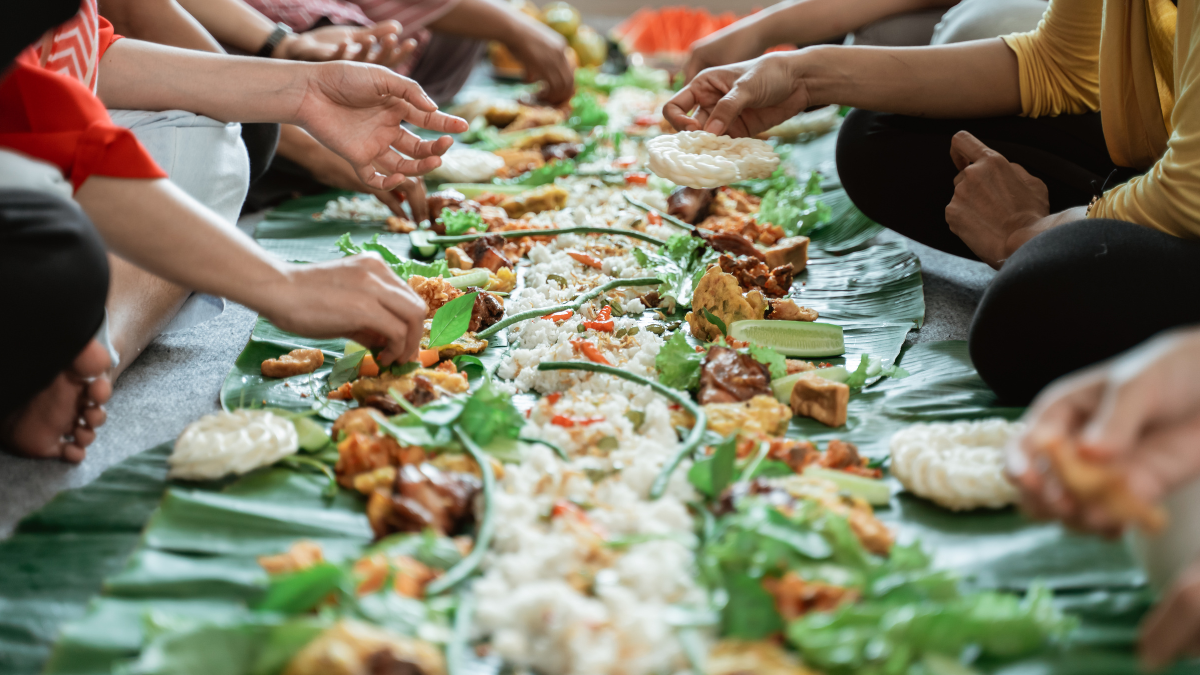

While rice continues to dominate the Filipino dining table, health experts are raising serious concerns over the nation’s heavy reliance on the staple, warning that it could lead to long-term health problems.

According to the 2023 National Nutrition Survey, rice accounts for half of a typical Filipino meal—an amount that far exceeds the recommended intake for a balanced diet.
“Carbohydrates like rice or noodles should only make up one-fourth of your plate,” said Dr. Eva Goyena, a senior research specialist from the Department of Science and Technology-Food and Nutrition Research Institute (DOST-FNRI), in an interview with ABS-CBN News. “The other one-fourth should be proteins such as meat, fish, chicken, eggs, or legumes. The remaining half must consist of fruits and vegetables.”
Despite rising rice prices, many Filipinos continue to lean heavily on rice as their main food source. A Social Weather Stations (SWS) survey revealed that 63% of families considered themselves poor by the end of 2023. Goyena acknowledged this reality, calling rice “one of the cheapest foods” and a practical option for those with limited time or access to more nutritious choices.

However, Goyena warned that consuming too much white rice, which has a high glycemic index, may increase blood sugar and insulin levels rapidly, potentially leading to diabetes, obesity, and cardiovascular disease.
“Excess calories from rice are stored as fat,” she added. “If you’re sedentary and consuming more than your body needs, you raise your risk of diabetes and hypertension.”
The Philippines’ obsession with rice is well-documented. Citing The Manila Times, the country was the world’s top rice importer in 2023 with a record 4.7 million tonnes. The U.S. Department of Agriculture projects that this will climb to 5.4 million tonnes in 2025.
