



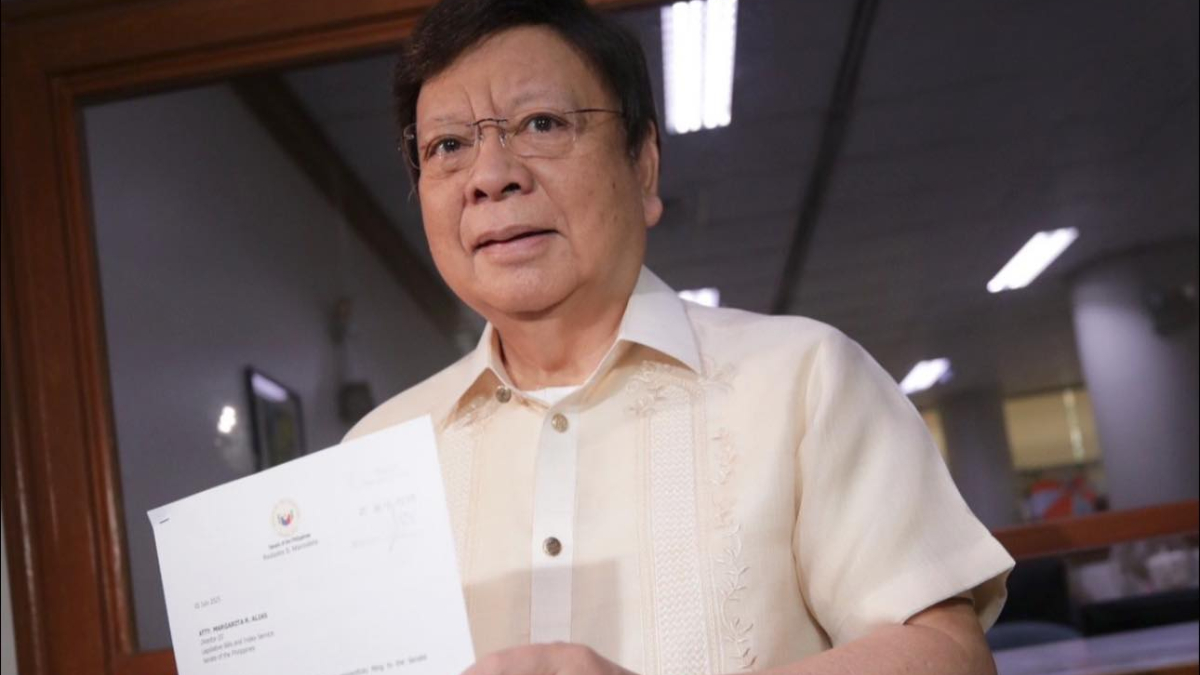

Senator Rodante Marcoleta has filed a bill that seeks to scrap the 12 percent value-added tax (VAT) on electricity sales across all levels—from generation to distribution—in a bid to ease the growing burden of high power costs on Filipino households and businesses.

Citing the country’s persistently high electricity rates, Marcoleta said the measure aims to bring immediate relief to consumers who are “paying the price” for inefficiencies in the energy sector.
“The removal of VAT on electricity sales is likewise anticipated to relieve the financial strain on both consumers and enterprises, thereby supporting the development of a more inclusive and resilient energy system and improving the overall quality of life for Filipinos,” the senator said in his explanatory note.
Marcoleta, who had campaigned on the promise of lowering electricity rates, stressed that power prices in the Philippines remain among the steepest in Southeast Asia. He pointed to a range of factors behind the problem, including deregulated power generation, transmission congestion, distribution losses, reliance on imported fuel, and a regulatory framework that he described as “unrealistic.”
“All these result in elevated operating expenses that deter investments, leading to high electricity costs that burden consumers,” he warned.

The proposed measure echoes a longstanding appeal from the business sector. The Philippine Chamber of Commerce and Industry previously called for the removal of VAT on electricity sales, noting it as a major hurdle for potential investors.
Marcoleta also highlighted how rising electricity generation charges have hit Filipino households this year. For example, those consuming 200 kilowatt-hours per month saw an average increase of P0.1839 per kilowatt-hour, driven by price hikes in both the Wholesale Electricity Spot Market and power supply agreements—deals he referred to as “sweetheart agreements.”
“As the costs associated with power generation continue to rise, consumers may need to adjust their budgeting for electricity expenses and consider energy-saving measures,” he said.
Ultimately, Marcoleta underscored the need for urgent reforms. “We owe it to the people to make electricity affordable, it being the declared objective of the law itself,” he said.
