




Severe abdominal pain and falling blood pressure brought an 85-year-old man into the Emergency Department at Sheikh Tahnoon Bin Mohammed Medical City in Al Ain. A contrast-enhanced CT scan delivered the answer quickly and grimly: the main abdominal aorta had ruptured, a vascular emergency that kills rapidly through internal bleeding when treatment is delayed.

The vascular surgery team was called in at once. Their assessment closed off the less invasive route — the anatomy of the rupture made an endovascular stent unworkable, leaving open surgery as the sole remaining option despite the danger it posed to a patient of that age.
That left the clinicians facing a choice with no safe side. Operating carried substantial risk. Not operating meant near-certain death within hours. A multidisciplinary evaluation settled the question in favor of intervention.
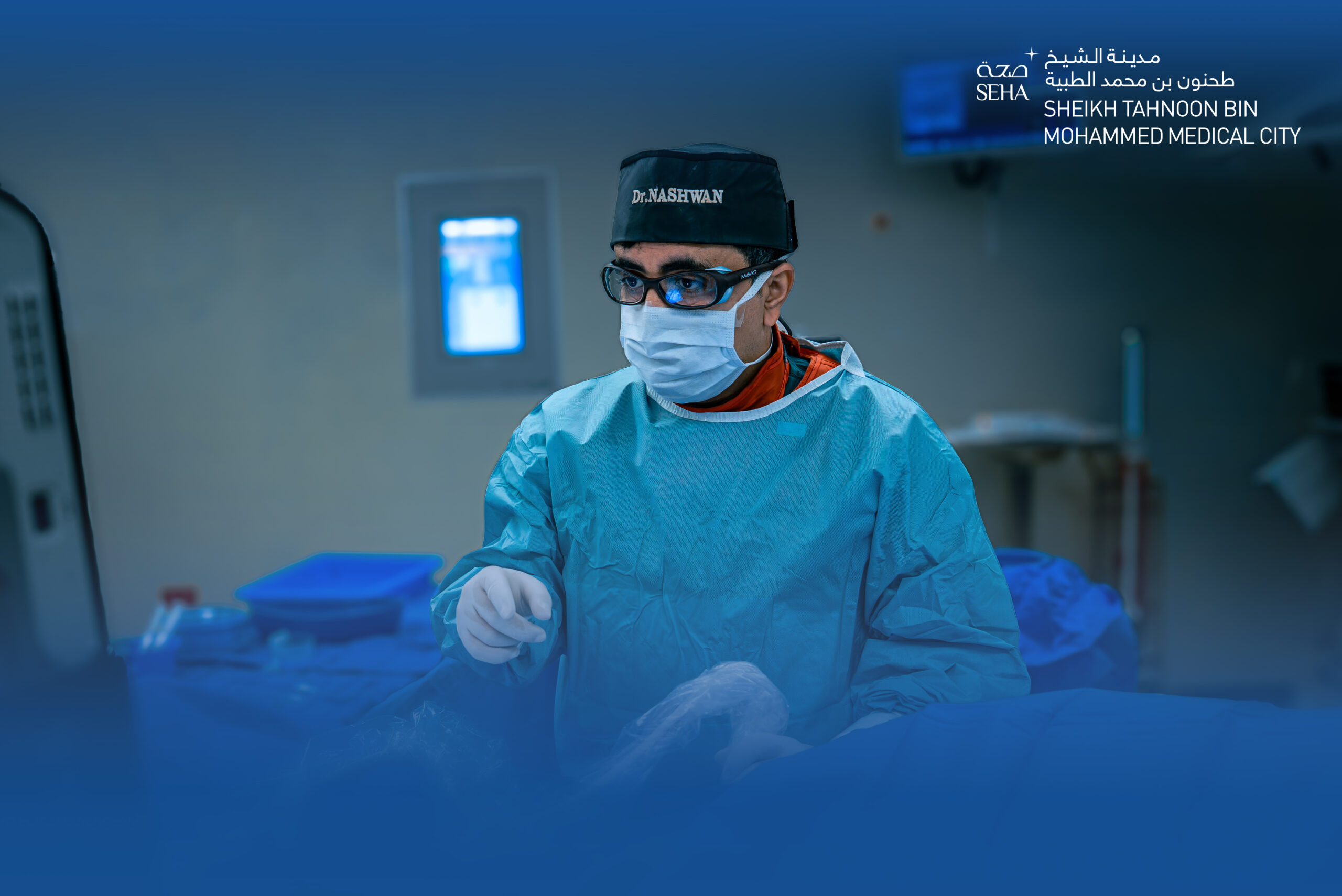
Dr Nashwan Ahmed, Senior Consultant Vascular and Endovascular Surgeon at SEHA’s STMC, who led and performed the surgery, said: “This was an extremely high-risk case given the patient’s age and the severity of the rupture. Alongside a dedicated team of surgeons and anesthesiologists, we performed a complex open aortic repair in which the ruptured section of the aorta was replaced and reinforced using a synthetic graft, successfully controlling the bleeding and restoring circulation. Rapid diagnosis and strong teamwork were critical to stabilising the patient and performing the surgery safely, and I am proud of how our team worked together under pressure to deliver life-saving care.”
Surgeons and anesthesiologists worked together through the repair, excising the ruptured segment and installing a synthetic graft in its place. Bleeding came under control and circulation was restored.

Three days in the Intensive Care Unit followed, with the patient kept under continuous observation. His condition improved by degrees, and recovery has continued since.
Dr. Sulaiman Al Shamsi, Chief of Vascular Division at SEHA’s STMC, said: “This case highlights the importance of preparation, effective teamwork, and the trust families place in us during life-threatening emergencies. Our teams responded with exceptional speed and precision, ensuring that every decision was guided by patient safety and clinical excellence.”
Cases like this one carry weight beyond the individual outcome. Infrarenal aortic aneurysms often develop without warning, and catching them before rupture depends on awareness and early diagnosis — a point the medical team emphasized as central to preventing the kind of catastrophe that unfolded here.
Sheikh Tahnoon Bin Mohammed Medical City operates within the SEHA network, a subsidiary of PureHealth, and serves patients across Al Ain and the wider Abu Dhabi emirate.
