



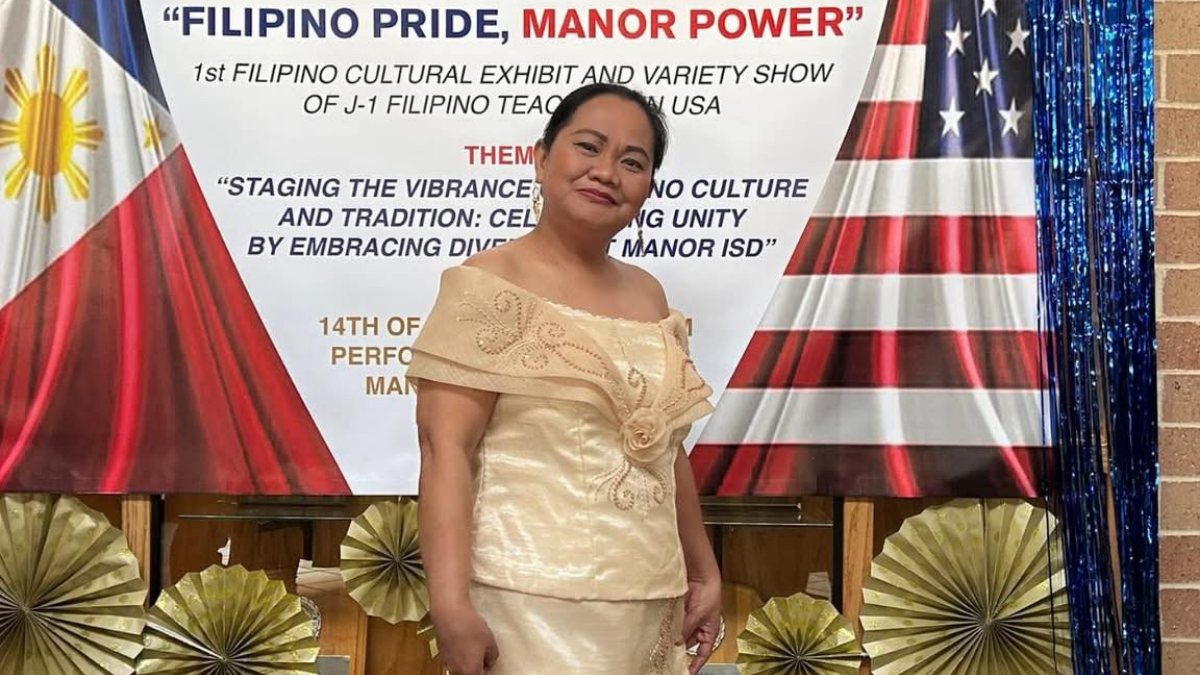

Twenty-seven years is long enough to build a career, a reputation, and a comfortable place to end one. Most teachers who reach that milestone are counting down, not starting over. Astrid Obongen was counting differently.

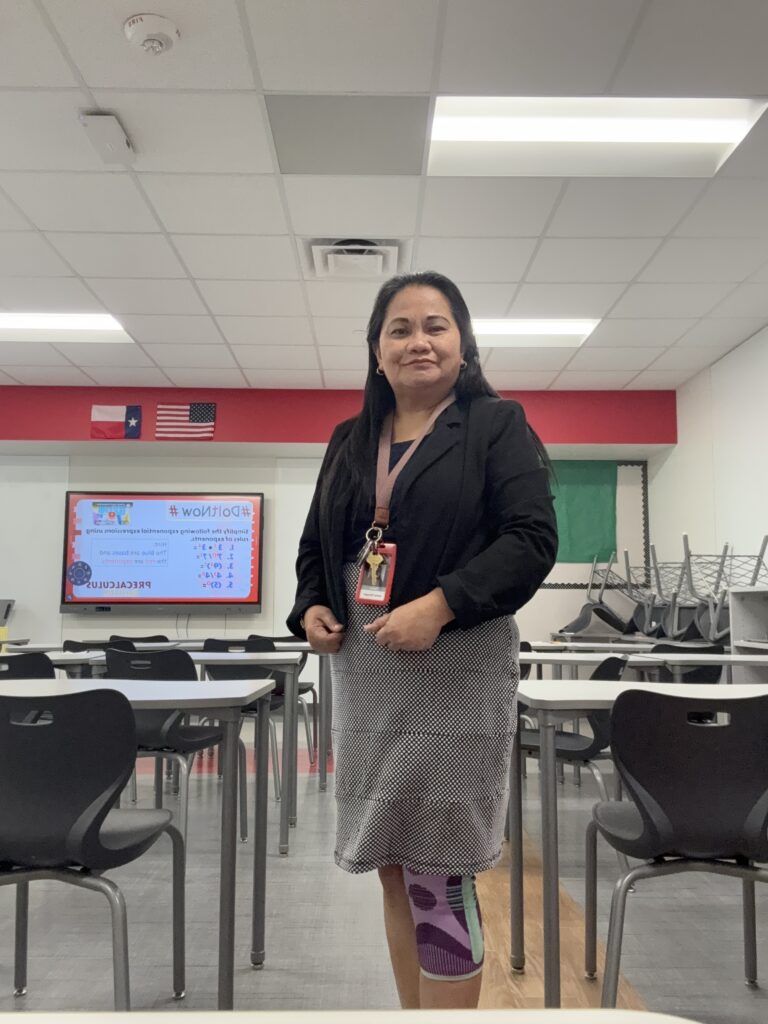
At 56, she stands in front of a precalculus class at Manor High School in Texas — a Filipina educator who left a Master Teacher post in Quezon City to prove, mostly to herself, that a classroom is a classroom anywhere on earth. “I believed that learning and teaching has no boundaries,” she shares with TGFM. It is the kind of line that could sound like a slogan, except she has spent five years abroad making it literal.
The weight of what she left behind
Before Texas, there was a career few would walk away from. She taught mathematics at New Era High School for more than two decades before her promotion to Master Teacher at Holy Spirit National High School. Along the way she wrote grade-appropriate assessments and learning modules adopted across the entire Quezon City division — materials that kept students learning remotely when the pandemic shut the doors. Her action research reached print, published by the European Journal of Humanities and Educational Advancements in December 2020.
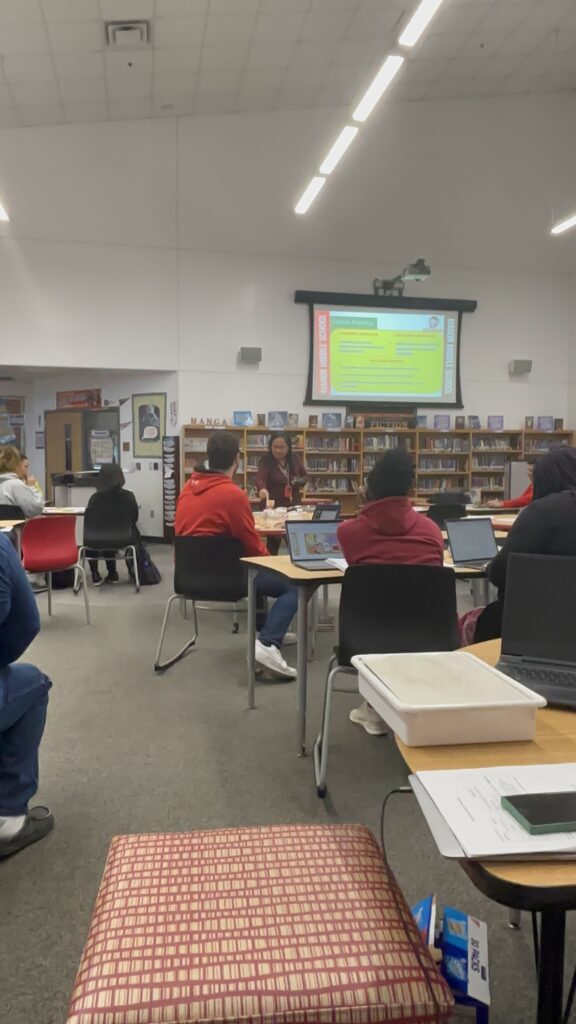
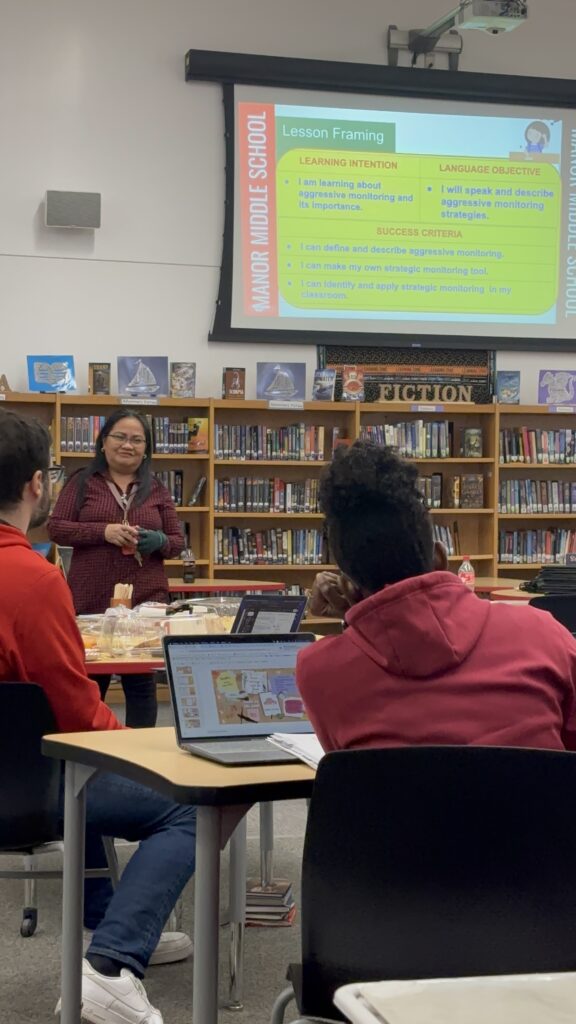
The recognitions stacked up: Most Outstanding Mathematics Teacher of Quezon City in 2017, Most Outstanding Teacher of District VI the following year. She had also pulled her students and colleagues into something larger than exam scores — tree planting, feeding programs, gift-giving drives for communities hit by calamity.
So the question isn’t why a teacher like her would be wanted abroad. It’s why she would go at all. Her answer is partly about her own children. “I wanted to set an example to my children that there is still room for self-advancement,” she says.
When the classroom stops making sense

The move humbled her fast. She arrived at Manor Middle School in August 2022 and ran straight into culture shock — not in the grocery store or the weather, but in the one place she thought she knew cold. American students behaved in ways her Philippine training hadn’t prepared her for.
What saved her wasn’t instinct. It was a support system and a willingness to admit she needed one. Her principal, assistant principal, and department chairs “had my back and trained me with the strategies that work in the US classroom,” she recalls. She treated her weakest areas as assignments. Classroom management, the thing she’d once coached other teachers on back home, became the thing she had to relearn from scratch.
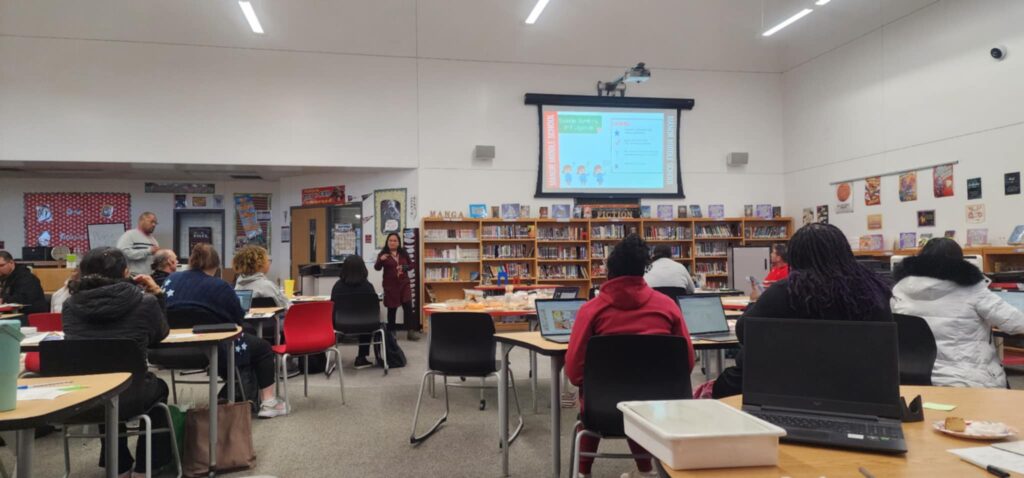
It worked. By her fourth year she’d been moved up to the high school and earned a Distinguished evaluation in classroom management — the same skill that had nearly broken her. The former Master Teacher had, in effect, mastered it twice.
Teaching, and everything around it
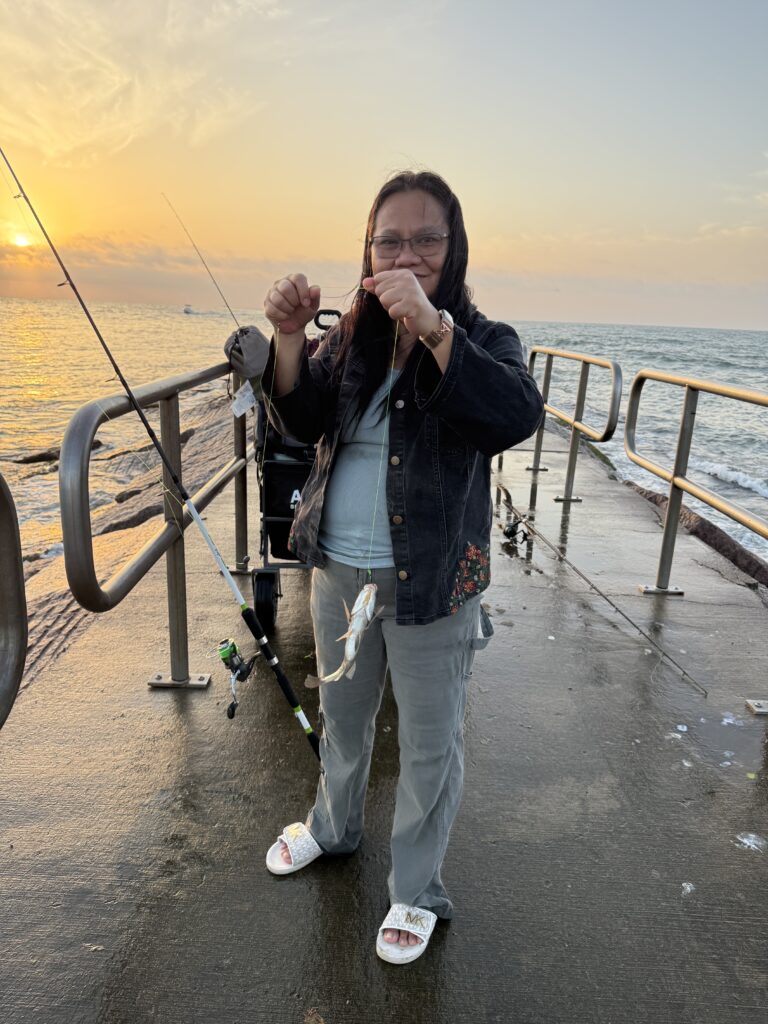
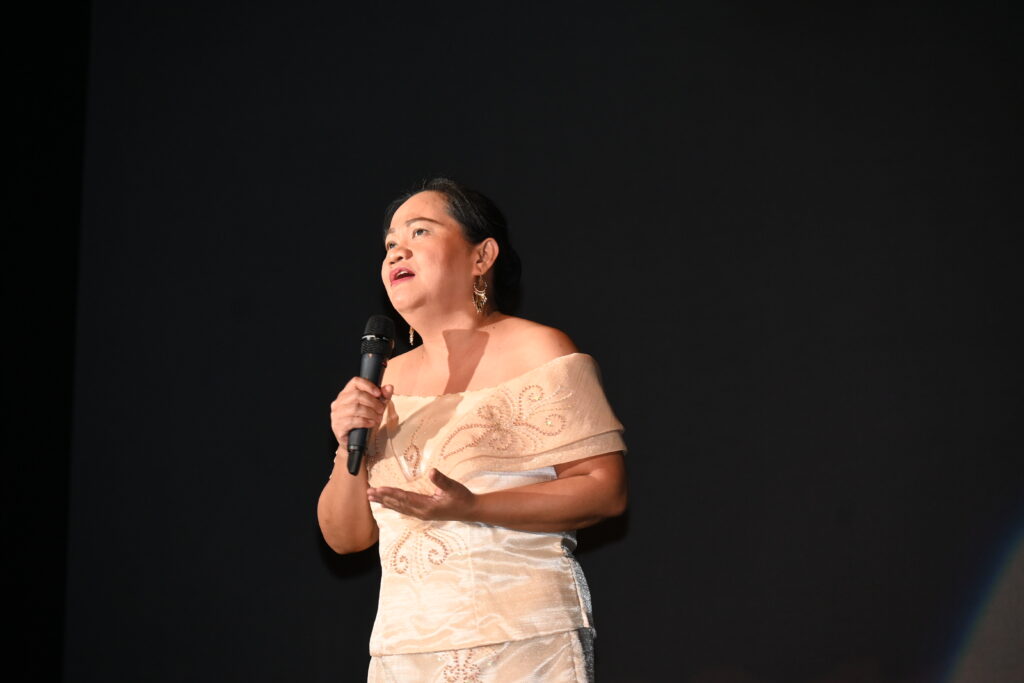
Ask what she loves and the math is almost secondary. “I had always loved Math, and I had always enjoyed working with people,” she says. The satisfaction comes from watching students click and helping colleagues do the same. She’s brought her own culture into it, too, singing in a cultural exchange show with fellow J1 teachers — showing American students, she says, “how Filipinos enjoy teaching and sharing our talents.” Texas gave her something back: she picked up fishing on her weekends off.
She isn’t done. She calls teaching a “CALLING,” capital letters and all, and plans to keep at it wherever it takes her, as long as it supports her family and moves her career forward. Her advice to kababayans abroad reads like the philosophy that got her through her own hardest year: “Success comes from knowing and accepting your weaknesses and working on them till they become your greatest strengths.”
