



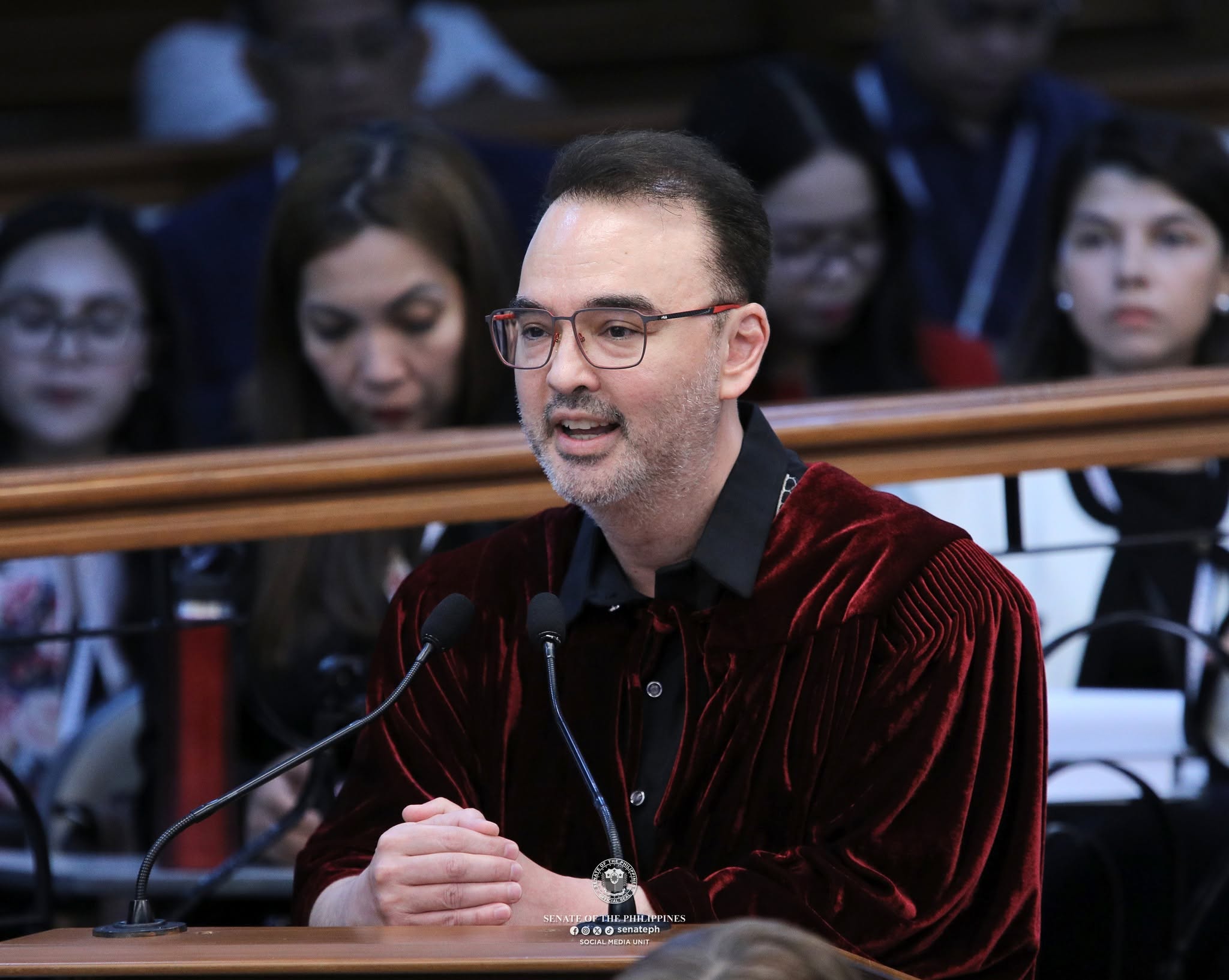

Structural labor reform, not just a better jobs report, is what Senate Minority Leader Alan Peter Cayetano says the Philippines urgently needs—and he is again pressing for an Executive-Legislative Labor Commission to deliver it.

The senator argued that headline employment numbers mean little while workers contend with flat wages, pay gaps between industries, and drawn-out labor cases. On that last point, he noted a practical barrier facing aggrieved employees: “Many people really lose the will to sue because they don’t earn anything while the case is ongoing.”
His renewed appeal came alongside fresh figures from the Philippine Statistics Authority. The May unemployment rate reached 4.8 percent, up from 4.7 percent in April, pushing the count of jobless Filipinos from 2.41 million to 2.5 million. Underemployment moved the other way, easing to 12.2 percent from 15.2 percent, a sign that fewer of those already working wanted extra hours or additional jobs.
Cayetano first filed the LabCom measure in July 2025 as a priority bill. Its purpose, he explained, is to produce coordinated, evidence-based policy across wages, job creation, worker protection, and labor justice, with regular consultations built in among government agencies, employers, workers, and other stakeholders so that policies keep pace with a shifting economy.

Central to the proposal is a rejection of one-size-fits-all wage-setting. The commission, he said, would tailor wage policy to individual industries, acknowledging that businesses and working conditions differ from sector to sector. “The LabCom will not talk in generalities. It will come out industry-specific,” he said.
He framed the body as a mechanism to gather Congress, the Executive branch, MSMEs, trade and industry, and the labor sector—migrant and informal workers included—around a shared, lasting answer to the living wage problem, as laid out in the bill’s explanatory note.
Cayetano tied the effort to a broader national aspiration, saying it would move the country toward the just and humane society the Constitution envisions while easing the pressure that drives so many Filipinos to seek work abroad.
