



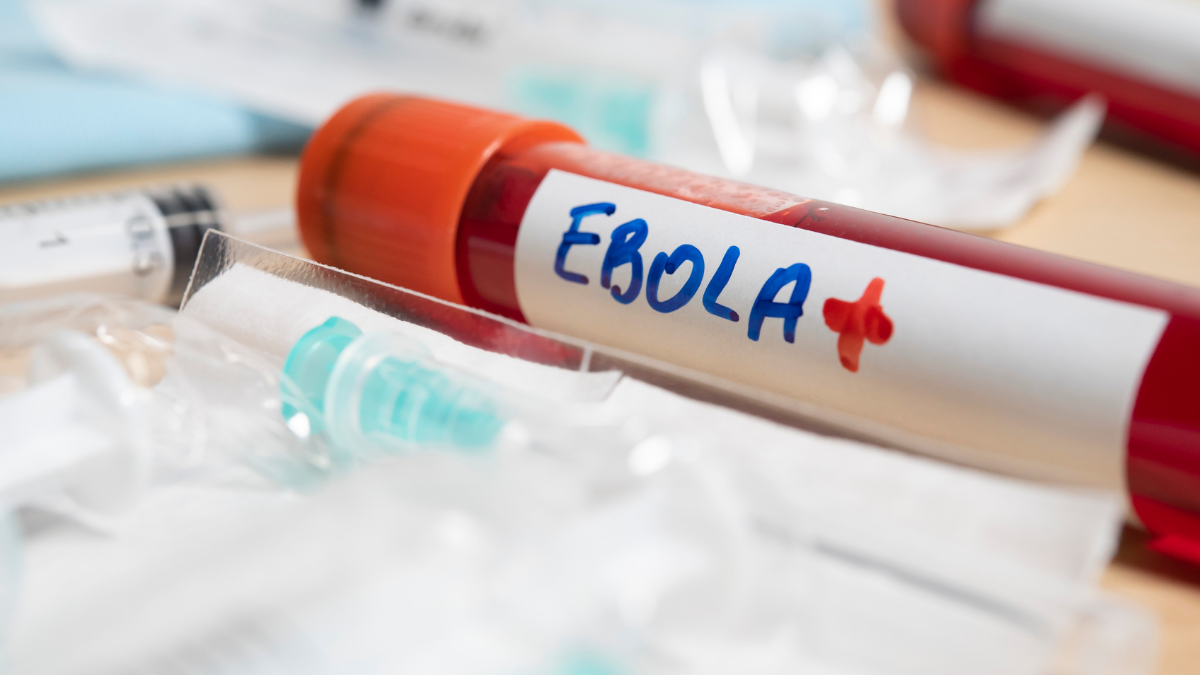

Residents in the Emirates should lean only on official channels for updates and disregard unverified claims circulating online, the Ministry of Health and Prevention said, as it rolled out fresh guidance tied to a worsening Ebola situation in Central Africa.

The guidance followed the World Health Organization’s decision to label the outbreak a Public Health Emergency of International Concern — a step the WHO has taken on only nine occasions since the mechanism began operating in 2005. At the heart of the current spread is the Bundibugyo strain, an uncommon form of the virus first documented in Uganda in 2007. Most reported infections trace to the Democratic Republic of the Congo, though Uganda has logged cases linked to travel from there.
A coordination session led by Minister of Health and Prevention Ahmed Ali Al Sayegh, working alongside the National Emergency Crisis and Disaster Management Authority and a range of federal and local bodies, examined how the outbreak abroad might bear on the country. Officials came away reporting that conditions at home are steady and that the national response apparatus is running as intended.
That apparatus, according to the ministry, has been reinforced across several fronts: tighter disease surveillance, sharper early-detection capacity, bolstered screening at airports and land crossings, greater hospital and laboratory capability, and closer cooperation between the agencies involved. Contingency plans, officials added, are ready should any threat materialise.

On the science, the ministry sought to draw a clear line between Ebola and respiratory illnesses. The virus passes only through direct contact with an infected person’s bodily fluids or with contaminated surfaces, not through the air as COVID-19 or influenza do. People carrying the virus typically pose little risk before symptoms surface, which limits transmission from those who appear well.
Symptoms can take anywhere from two to 21 days to emerge after exposure, the ministry noted, and the earliest signs often mimic the flu — fever, headache, fatigue, muscle pain, weakness and vomiting among them.
Separately, the Ministry of Foreign Affairs is steering Emirati nationals away from non-essential trips to the Democratic Republic of the Congo, Uganda and South Sudan, and is telling anyone considering travel to those countries to consult current advisories first. With summer journeys picking up, health officials are also reminding travellers to keep up good hygiene, track their own health once back, and read the latest advisories before setting off.
For all the attention the declaration has drawn, the WHO has assessed the threat to global public health as low — a point the ministry underscored even as it pledged to keep watching the situation and holding its readiness at a high level.
