



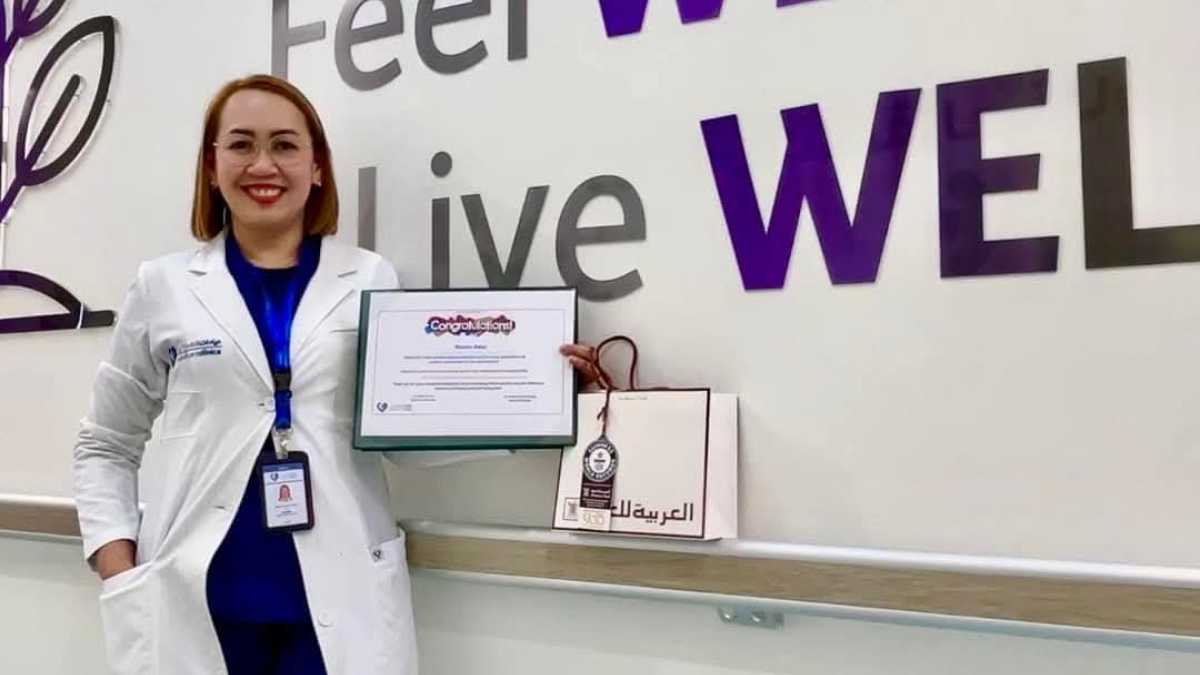

Twenty years is a long time to spend measuring your life in other people’s recoveries. For nurses who leave home to work in hospitals and clinics halfway across the world, the arithmetic is rarely about themselves — it’s about the family back home, the patients in front of them, and the slow accumulation of small mercies that add up to a career. Sharon Navarro Batul knows that math well.

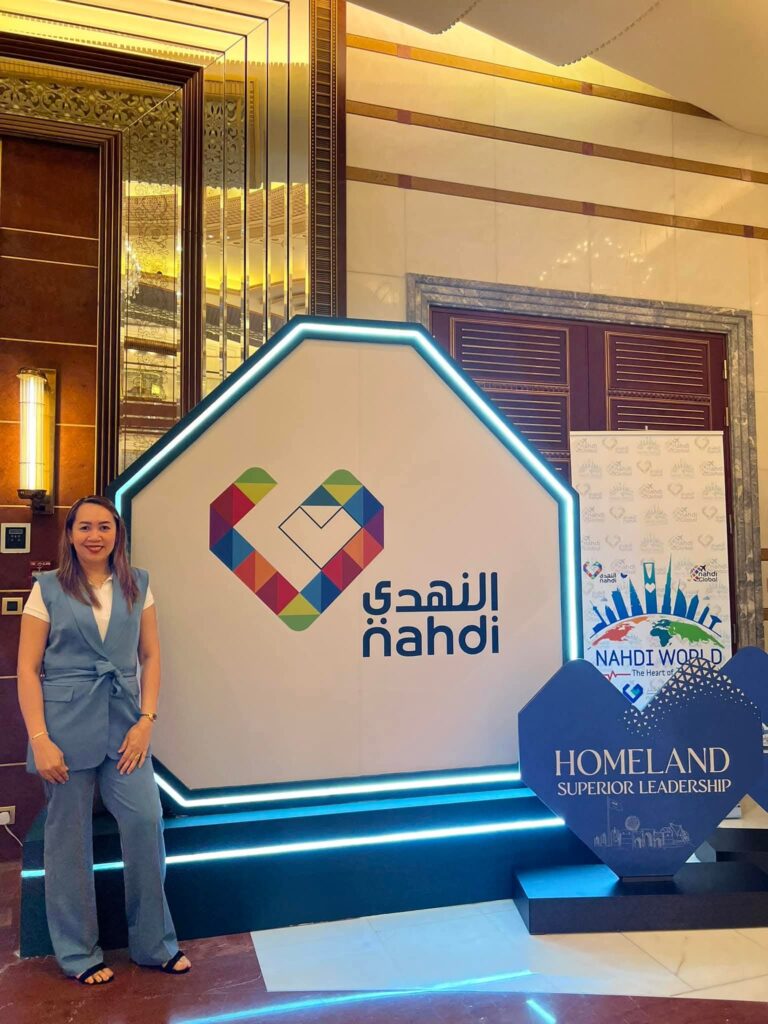
At 44, the staff nurse at Nahdi Care Clinic in Jeddah, Saudi Arabia, has built two decades abroad on a single principle she recites like scripture: serve with compassion, work with excellence, and trust God’s plan. It’s a mantra, but it’s also a job description.
The calling behind the profession
Sharon is careful to draw a distinction that a lot of people outside healthcare miss. To her, nursing was never simply employment. “Nursing is not just a profession; it is a calling that requires compassion, dedication, and genuine care for others,” she says. That framing shapes everything about how she talks about her work — less as a set of tasks than as a responsibility she chose deliberately.
Her day-to-day involves the things you’d expect: providing patient care, assisting with medical procedures, making sure everything is carried out safely. But the part that keeps her in it is harder to put on a résumé. “I have always wanted to help people during their most vulnerable moments,” she explains. The reward isn’t the paycheck. It’s the recovery. “The most satisfying part of my work is seeing patients recover, knowing that my care and support contributed to their healing and well-being.”
What the distance teaches
The Filipina nurse started her career in the Philippines, where she says she built a strong foundation in patient care before taking her skills overseas. The move abroad was, at its core, a practical decision — a better future for her family, plus room to grow professionally. But she’s quick to say the returns went beyond money.

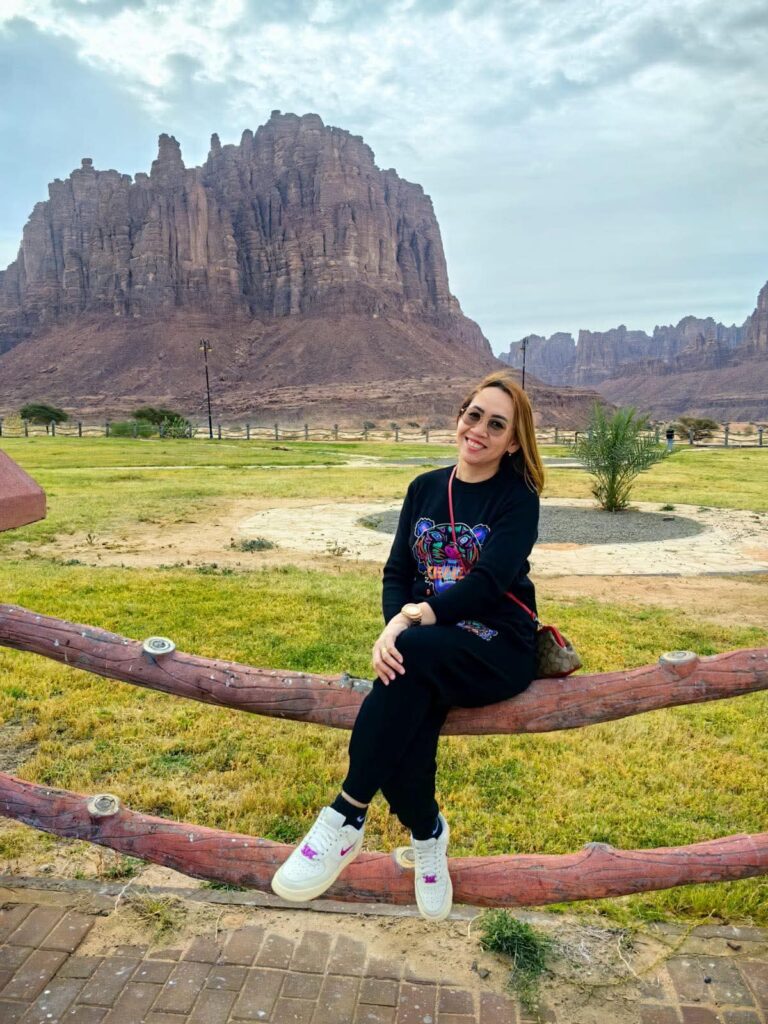
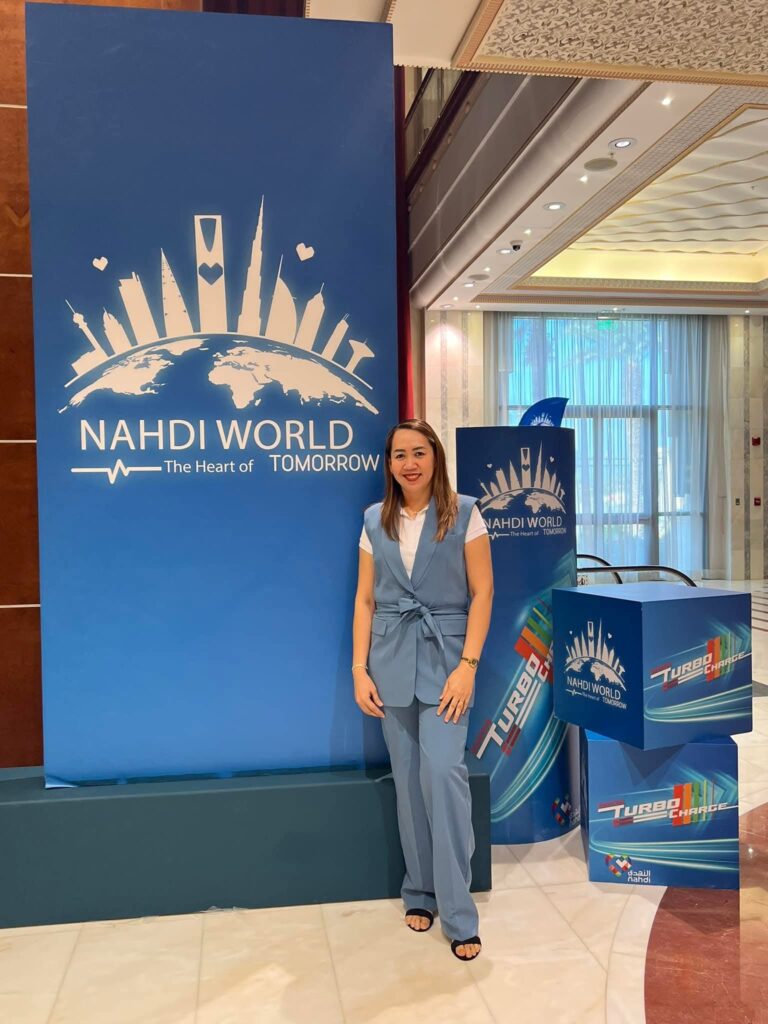
Two decades in another country reshaped her in ways she didn’t anticipate. “Living and working in another country has also taught me valuable lessons about adaptability, patience, independence, and perseverance,” she says. Those aren’t abstractions for her. They were survival tools.
Because the honest version of the story includes the hard parts. Being away from family. Adjusting to a culture not her own. Homesickness that doesn’t announce itself on a schedule. The steady pressure of a profession where mistakes carry real weight. “Working abroad for 20 years has not always been easy,” she admits. What got her through, she says, was a combination of faith, determination, and the people around her — family, friends, and colleagues who kept her steady when the distance felt heaviest.
The advice she’d give a younger version of herself
Ask her what she’d tell the kababayans just starting out, and the veteran nurse doesn’t reach for platitudes. Her counsel is grounded and specific: guard your finances, choose trustworthy relationships, protect your dignity. “Always remember your purpose and never lose hope during difficult times,” she says. “Every challenge can become a stepping stone toward success.”
She talks about the future the way people do when they’ve earned the right to slow down. When her overseas chapter closes, she wants time with her family — and she wants to keep giving back, mentoring aspiring nurses and pushing healthcare awareness in her community.
Twenty years in, she measures the whole thing not in salary or seniority but in something smaller and more durable. “Every act of kindness, no matter how small, can touch someone’s life,” she says. It’s the kind of lesson you can only learn by living it — one patient, one shift, one recovery at a time.
